


The Problem With COVID-19 Artificial Intelligence Solutions and How to Fix Them
How nonprofit and business leaders can equitably and responsibly use AI systems in the fight against COVID-19.

How nonprofit and business leaders can equitably and responsibly use AI systems in the fight against COVID-19.

Breaking down silos means starting from intersectionality and emphasizing climate justice.
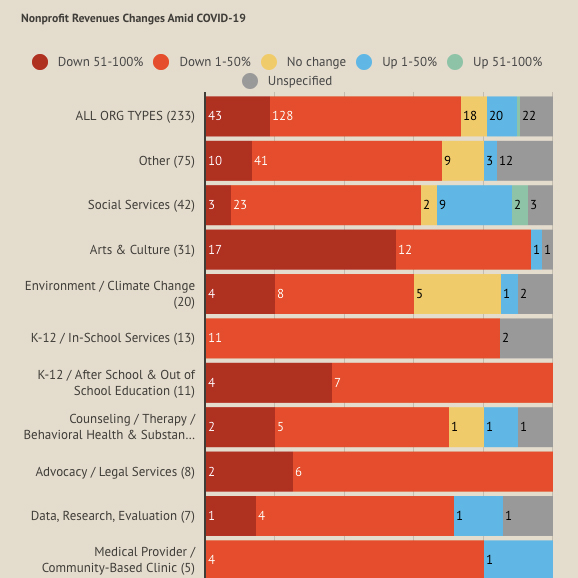
Interactive charts show how hundreds of nonprofits face dramatic changes in their operations and plans as the pandemic continues to upend life around the world. Part of a series on civil society's response to the pandemic.
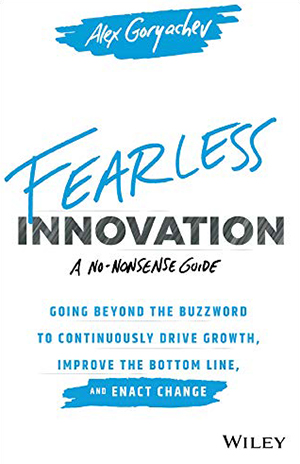
An excerpt from Fearless Innovation delves into new potentials for innovation as a driving force in the social sector.

Embedding action through research by placing the Sustainable Development Goals at the center of university planning. Part of the Innovating Higher Education series.

Foundations helping nonprofits build their capacity to execute sustained collaborations are catalyzing an important shift on the nonprofit landscape and having an outsized impact on the ground.

Nonprofit boards still have a long way to go in engaging their board members to improve fundraising.

A look at myriad ways funders can support the well-being and mental health of often understaffed and under-resourced grantees, and help foster healthier individuals and organizations. Part of the Centered Self series.

An excerpt from Strategic Corporate Conservation Planning details the efforts of companies, governments, and communities to remediate polluted lands.
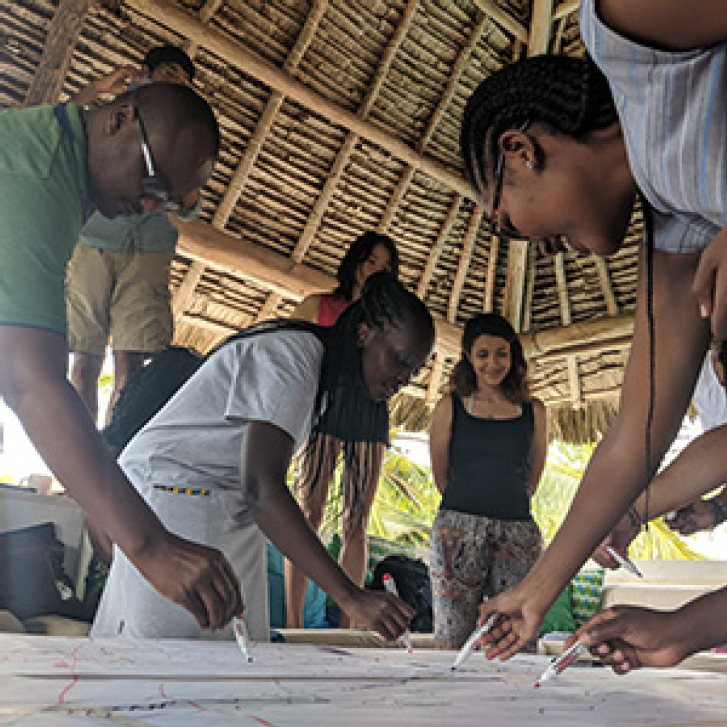
How Amani Institute is building a skills-based and inclusive curriculum for changemaking in the developing world. Part of the Innovating Higher Education series.