


Getting Political Is Good for Everyone
Nonprofits that engage in political activity benefit themselves, those they serve, and the political system as a whole.

Nonprofits that engage in political activity benefit themselves, those they serve, and the political system as a whole.

In response to a July 16 article about improving organizations' DEI efforts by reimagining the roles of mentor and mentee, SSIR reader Yen Ooi wrote that “calling it 'reverse mentoring' might set out the wrong impression in the relationship to start with.” What do you think? This is the final of 10 articles in a special DEI series.
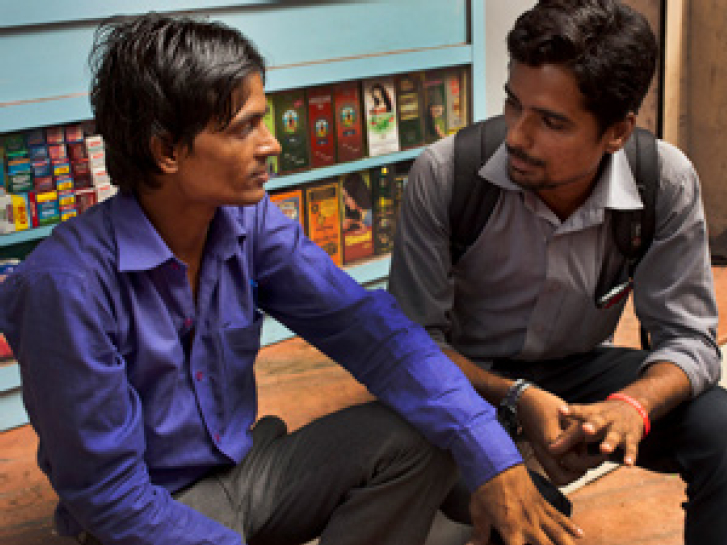
Leaders behind two social impact efforts in India discovered that before they could improve lives, they first had to shift mindsets.

Funders need to push past politeness and hammer out expectations for how their collective action will create value—for beneficiaries, grantees, and themselves—beyond what they could do alone.

DEI efforts should develop and maximize the potential impact of this important but often overlooked position. This is the ninth of 10 articles in a special series about diversity, equity, and inclusion.

Small farmers and food businesses are essential to building a resilient food system, but they need flexible, patient capital to thrive.

An excerpt from The Business of Changing the World: How Billionaires, Tech Disrupters, and Social Entrepreneurs are Transforming the Global Aid Industry argues the case for openness.

A framework for nonprofit and private-sector organizations working to transfer the implementation of their solutions to government agencies.

Scaling up data capacity requires champions at every level, be that a school district, state government, or national network.

To build more inclusive movements, social advocacy organizations and activists need to create stories that can engage both familiar and new communities.