Going Local 2.0: How to Reform Development Agencies to Make Localized Aid More Than Talk
Global aid agencies must shift from just agreeing to “go local” to preparing development experts for the task.

Global aid agencies must shift from just agreeing to “go local” to preparing development experts for the task.

In this audio slideshow, Fay Twersky, director of the Effective Philanthropy Group at the William and Flora Hewlett Foundation, discusses how the process of collecting feedback from constituents provides a much needed third dimension to nonprofit measurement practice.
How philanthropy can support low-income families to build powerful networks and craft policy solutions that reduce poverty in the United States.
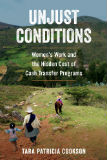
An excerpt from Unjust Conditions: Women’s Work and the Hidden Cost of Cash Transfer Programs.
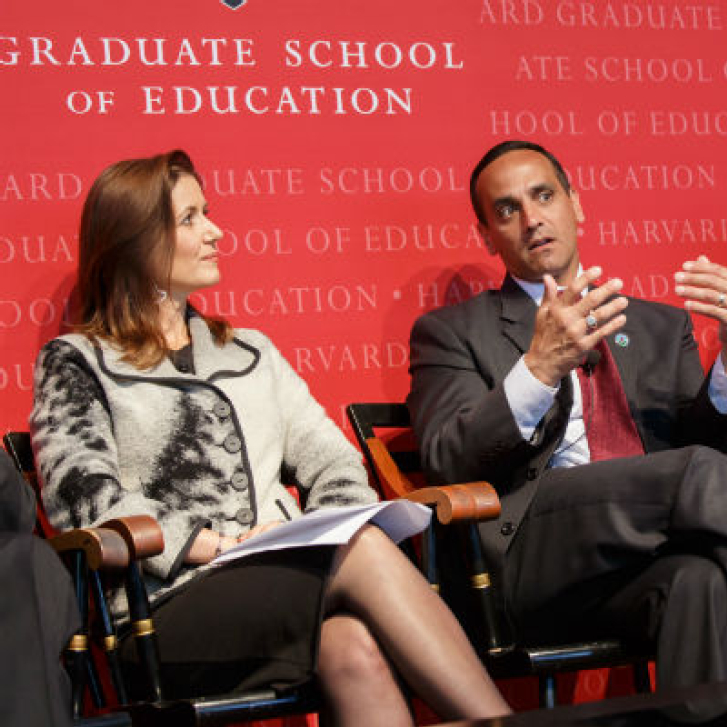
As more cross-sector collaborations gain traction, we must understand what it takes to keep them running over the long term and ensure that progress continues despite changes in leadership.
To advance equity more effectively in collaboration with nonprofits and communities, grantmakers must share power with and leverage privilege for nonprofits and communities.
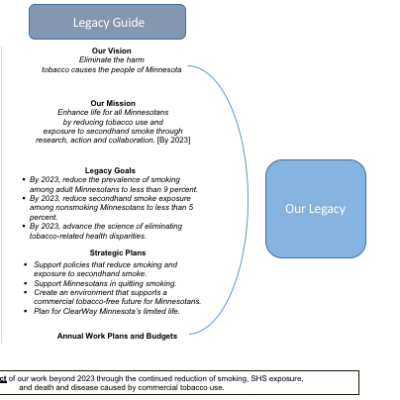
How limited-life organizations can re-position evaluation as a tool to drive progress toward their end goals and measure the enduring impact of their efforts.

An organization’s response to a wide-scale Ebola outbreak provides six lessons in sustainable impact for NGO leaders.
Listening to beneficiaries should be part and parcel of any initiative that seeks to help others. Part of a series produced for SSIR with the support of the Hewlett Foundation.
Radical change is possible by adding six simple questions to MBA education.