How Nonprofit Boards Can Start the Merger Conversation
There are six moments in every organization’s business cycle that are ripe for discussion around how mergers and alliances can advance mission and impact.

There are six moments in every organization’s business cycle that are ripe for discussion around how mergers and alliances can advance mission and impact.

Through innovative strategies for bringing women into the workforce, social enterprise is poised to transform the meaning of “women’s work.”
To curb rising inequality, global leaders must work together to stop the flow of illicit wealth and mitigate tax avoidance.

Throughout the nonprofit sector, scaling is viewed as a cardinal imperative. But a surprising number of organizations are not (or not yet) equipped to expand their impact. Is your organization truly ready to scale? Here is a tool to help you find out.

A reading list of our articles examining how businesses should define and achieve sustainability.

By taking on an advising role, an organization can scale a core innovation with less demand on its resources than would be required through direct action alone.

More investors need to bet on early-stage social ventures that cover all the bases, and more entrepreneurs need to build them.
Understanding the strategies needed to catalyze cultural change, as well as the advantages and limits of benefit corporations, are critical in guiding enterprises to inspire social good.
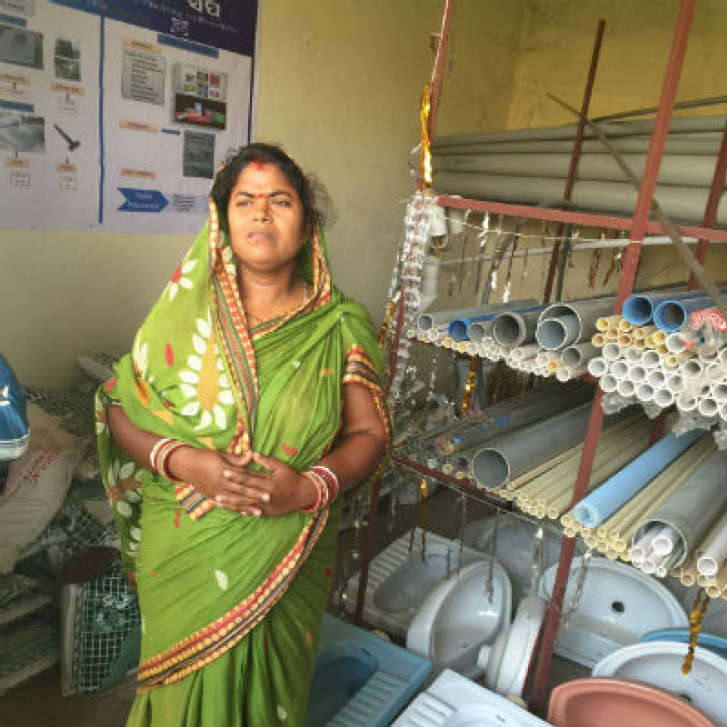
Realizing the transformative potential of women’s leadership in India’s social enterprise sector will require persistent efforts to refine and mainstream gender-lens investing.
Rethinking traditional impact investment products offers a path forward for nonprofit organizations seeking greater access to capital.