


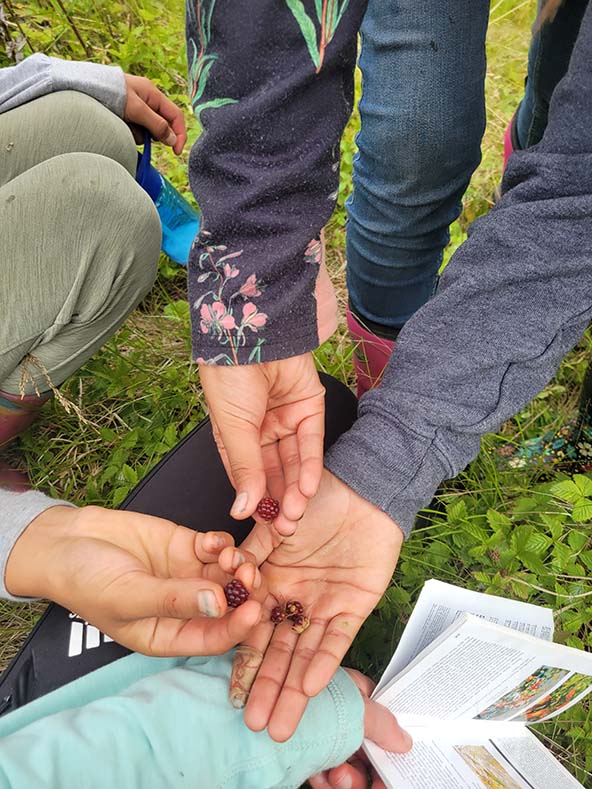
 (Photo courtesy of Camp Fire)
Why would a 100+-year-old youth organization finally decide to address and end its long history of cultural appropriation?
Because young people asked them to.
For more than a century, national youth development organization Camp Fire (formerly known as Camp Fire Girls or Camp Fire USA) incorporated traditions, images, names, music, songs, clothing, and activities that were fabricated to sound Native American—while, simultaneously, Native youth were being sent to boarding schools and stripped of their culture and heritage. They were forced to assimilate and wear Western clothing, and they were punished, often physically, for speaking their Native languages.
Camp Fire’s history is reflective of the broader camping, scouting, and youth development sectors that have a long history of appropriating Native cultures. In the past decade, however, the young people involved in Camp Fire’s programming began to voice that wearing Native-looking ceremonial gowns and beads felt weird and wrong. They expressed that some of the camp’s practices—like choosing their own Native-sounding name or singing certain songs and chants—didn’t sit right with them, especially coming from a self-proclaimed inclusive organization. Thus, prompted by ongoing requests from youth in its programs across the United States, Camp Fire leadership began to thoroughly examine its history of cultural appropriation.
At its root, cultural appropriation comes down to power. It happens in two different ways: first, when members of a dominant culture take and use elements from a culture of people that has been systemically oppressed by that same dominant group (like Camp Fire and its use of Native culture); and second, when the dominant culture normalizes taking things from other people groups—especially those that are marginalized—and using them for their own amusement, fascination, or benefit, without permission or respect. There are numerous examples of this across American culture and throughout history—think music, mascots, hairstyles, jewelry, designs, and more.
Past harm cannot be undone, but it is possible to acknowledge it and attempt to repair the ongoing damage—and it’s important to note that meaningfully addressing the harm done requires engaging in dialogue with the very people who have been harmed.
In 2019, while young people were asking Camp Fire to pause and examine issues of cultural appropriation, the organization also underwent a leadership transition, embarked on a new strategic plan, and hired outside consultants specializing in honest conversations to guide people and organizations past stigmas and fears and toward solutions. This created the perfect storm and prompted Camp Fire to reach out to the National Indian Education Association (NIEA) to initiate an honest dialogue around repairing the harm caused by Camp Fire’s century of appropriative practices. Because of both organizations’ whole-child approach that supports the social, mental, physical, and emotional development of young people, Camp Fire and NIEA saw potential alignment for a long-term partnership.
Then, in early 2020, the COVID-19 pandemic and lockdown occurred. While everyone’s personal and professional lives were dramatically impacted, Camp Fire took the opportunity to slow down, examine its appropriation, and make a plan that authentically reflected the organization’s core values.
This culmination of events led to a multi-year iterative approach, recognizing that true transformation requires continuous learning, unlearning, and a willingness to evolve as an organization. From this process, five core actions emerged:
1. Camp Fire built a sustainable relationship with NIEA based on trust, not outcomes.
Before any conversation was to take place, NIEA asked Camp Fire leadership to participate in their training to unlearn dominant historical narratives and to deepen their understanding of unique challenges that Native youth face today. After that training, each organization began to attend one another’s conferences and board meetings, meet regularly, collaborate on potential programs, share resources, and look at funding opportunities to advance their partnership goals.
Moving forward, both organizations are focusing together on three areas:
- Supporting the whole child through out-of-school time opportunities that prioritize mental, emotional and social health, as well as spiritual and cultural well-being;
- Expanding Camp Fire’s outdoor-based education programs to embrace the history and cultures of specific communities; and
- Creating identity-affirming spaces for Native youth, especially those with two-spirit identities, to thrive.
The goal for both organizations is a living, trust-based and equitable partnership where everyone benefits and is stronger together.
2. Camp Fire formed a diverse task force to address and end cultural appropriation in the organization.
Camp Fire national headquarters staff, affiliate representatives, content experts, members of Native organizations and communities and a Camp Fire Youth Advisory Cabinet member all came together to form the Camp Fire 2020 Heritage Audit Task Force. This cultural appropriation task force examined Camp Fire’s language, iconography, stereotypes, myths, traditions, and rituals (learn more here). Their goal was to review and advise on Camp Fire’s curriculum and program practices to help identify culturally appropriative traditions and recommend more equitable approaches within the organization.
3. Camp Fire developed self-assessments and improvement plans.
Based on the findings and recommendations, and in partnership with the equity experts at Thrive Paradigm, Camp Fire developed a self-audit tool for its affiliates to determine what levels of cultural appropriation were happening at local levels. They also created a tool called “Know Your History,” which helps affiliates research the Indigenous land they are on and the history of their community. It helps them examine factors such as the year their affiliate was founded, how the name was chosen for the affiliate and why, how the camp properties were purchased and named, and how local history has been captured (or not), etc. These tools help affiliates create a clear plan for continuous improvement, chart out a path to end appropriation, acknowledge and repair harm, and form relationships with local tribes and Native-run organizations.
4. Camp Fire developed a phased approach to support changes and physical updates.
Camp Fire national headquarters incorporated this work into its strategic plan to ensure it remained an organizational priority. Then the organization secured funding to provide subgrants to local affiliates so they were able to rename camps and programs that had appropriative names; update signs, websites, and swag; update guidebooks to remove harmful stereotypes; end the practice of creating and wearing ceremonial gowns; and remove appropriative totem poles, tipis, and other more permanent structures.
Looking ahead, future phases focus on expanding program opportunities for Native youth, deepening reciprocal relationships and partnerships with tribes and Native organizations, and continuing to seek deeper understanding that will continue to repair harm and create a blueprint for inclusive, lasting change.
5. Camp Fire centered youth voices in the process.
Young people were key drivers of change in the organizational process to address and end cultural appropriation. In 2022, Camp Fire launched “Make Your Mark,” a youth-driven initiative to reimagine the organization’s rewards and recognition system, ensuring that young people had a central role in reshaping Camp Fire’s practices. As a result, the organization successfully launched new, non-appropriative emblems for the first time in its history.
According to Erik Stegman at Native Americans in Philanthropy, it’s rare to have Native and non-Native organizations collaborate. To help both NIEA and Camp Fire explore the next steps in a partnership, Camp Fire hired a third party—Third Settlements—to bring both organizations to the table and determine how they could best work together. Third Settlements explained that partnership should feel a lot like dating or marriage, where both sides feel like they’re “marrying up” and getting the better end of the deal. This is key to a successful and equitable partnership that moves beyond a transactional goal. As a result of their ongoing relationship, Camp Fire and NIEA both feel they are winning and bringing strengths to the table that the other organization does not have.
But obstacles to the work remain. For example, less than 1 percent of philanthropic funding goes to Native organizations. This is due to the systemic and historical erasure of Native peoples that remains prevalent in mainstream philanthropy, which follows the priorities of the dominant culture. Yet Native and Indigenous people make up nearly 3 percent of the American population. NIEA and Camp Fire believe their partnership will position both organizations to attract more funders, especially related to their shared program goals.
Camp Fire is working to bring its alumni along on this journey as well—alumni for whom the past appropriative practices are deeply tied to cherished memories. Additionally, many local Camp Fire affiliate leaders have faced challenges related to the amount of time and commitment needed to build trust-based relationships with Native-run organizations and local Tribal leadership. This work also continues to represent a mindset shift in Camp Fire’s commitment to equity; it is a challenge to operationalize this work across every level so it is sustainable, systemic change and not just a flash in the pan.
In recent years, a movement has been happening all over the country to address and end cultural appropriation, manifested in ways such as the renaming of camps, schools, and sports teams, changing mascots, and removing culturally offensive statues from public spaces. Camp Fire and NIEA invite and challenge other youth-serving and camping/outdoor organizations who also have long histories of cultural appropriation to join this movement and to join us in doing this necessary work. Only then can we stop perpetuating the harm and create a new future that lifts up all youth and treats all people with dignity and respect.
At Camp Fire, we know our work is not done, but we are committed. Will you join us?
Read more stories by Shawna Rosenzweig, Rusty Creed Brown & Casie Wise.