


Education
College for All
University of the People offers quality higher education online for free to anyone anywhere in the world.
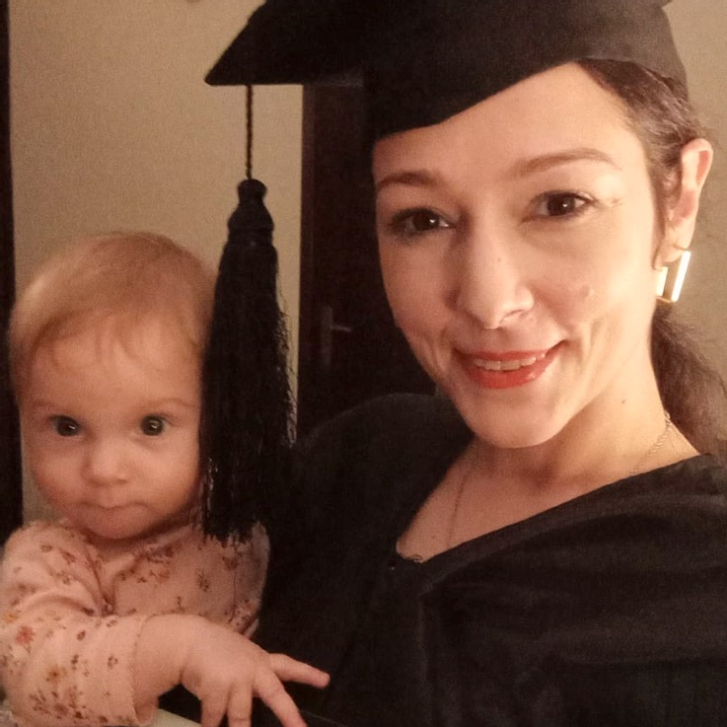
University of the People offers quality higher education online for free to anyone anywhere in the world.

Patrick Awuah launched Ashesi University as an institution of higher learning thoroughly shaped by social innovation. While it began by borrowing ideas, methods, and credibility from elsewhere, it has evolved into a uniquely Ghanaian enterprise that is a model for Africa and the world.

One Kyrgyz entrepreneur had an ambitious vision for transforming his country into a vital, independent nation free from its Soviet past. He reverse-engineered that vision into a stepping-stone strategy that is already having enormous impact in Kyrgyzstan and beyond.
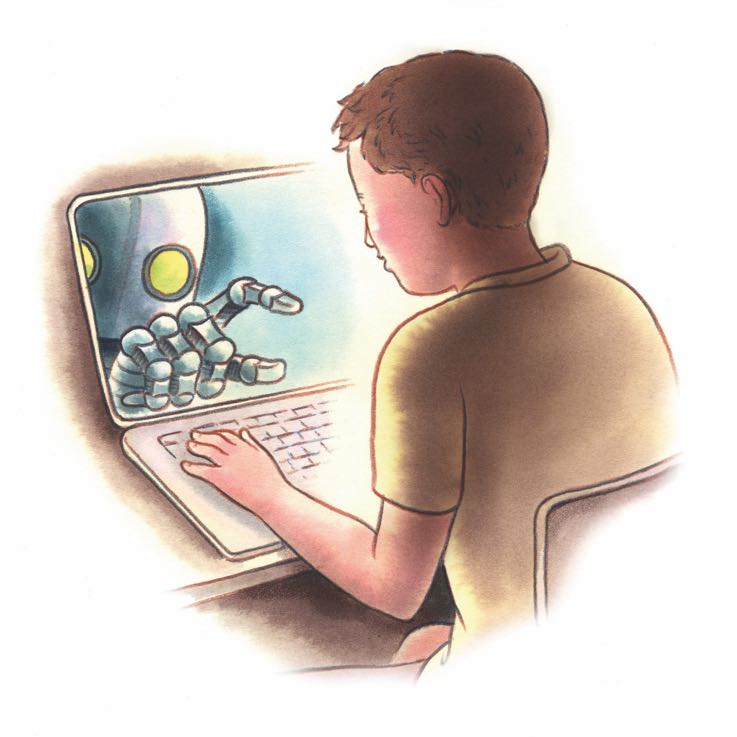
The Spring 2026 cover story examines how to invest in human flourishing in the age of AI. Plus: two important critiques of contemporary philanthropy and a new academic editor.
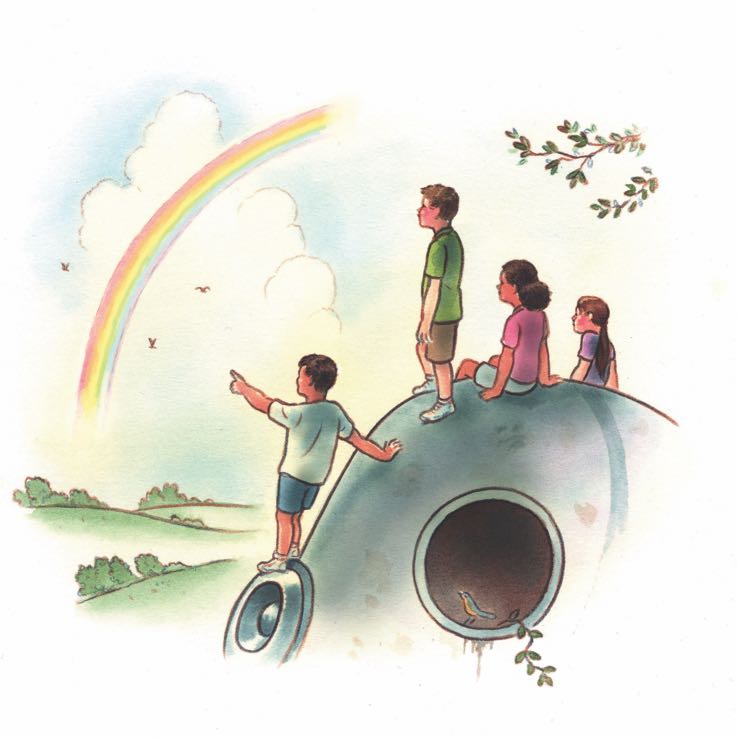
As AI begins to transform education, work, and social life, we need to focus on developing and expanding capacities essential for human flourishing.


Excessive screen time, largely spent on gaming apps, is contagious and lowers students' grades and post-graduate income, a Chinese study reveals.

Digital tools have eased the challenges of recruitment, but fostering long-term engagement remains a problem.
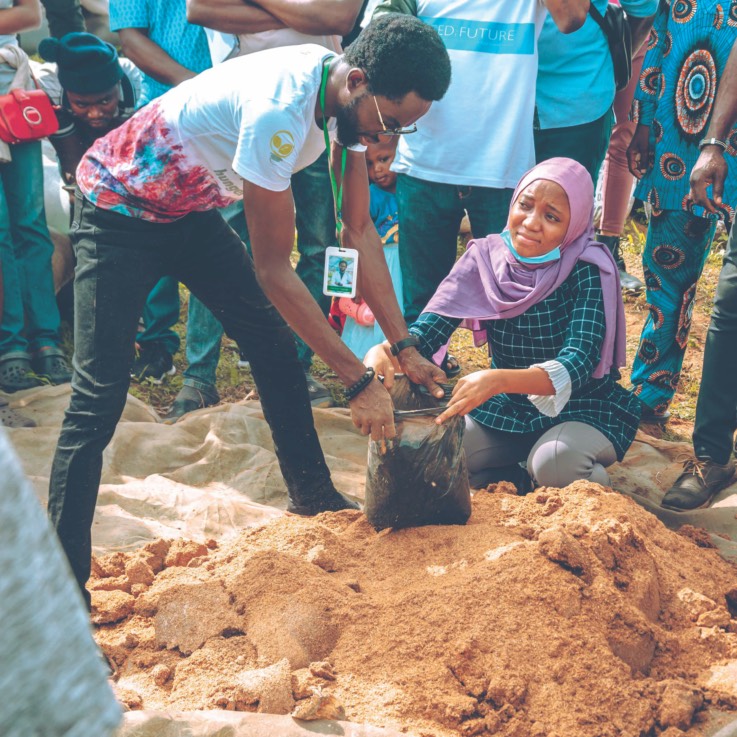
Soilless Farm Lab's hydroponics approach tackles agricultural challenges to alleviate food insecurity in Nigeria.
A model for lasting change through authentic, transformational partnership.

Innovation stories on social connection, empowering youth, and revitalizing green spaces offer some year-end inspiration.