


The Social Sector Needs a Meta Movement
By creating a network of grassroots movements and calling out connections across issues, the social sector can drive demand for solutions and spur policy makers to act.

By creating a network of grassroots movements and calling out connections across issues, the social sector can drive demand for solutions and spur policy makers to act.

Research on 23,000 ventures reveals factors that donors, managers, and entrepreneurs should consider as they choose to support, run, or use accelerators, the increasingly popular training programs that help businesses succeed.

A greater focus on co-created, measurable outcomes can help build trust between public, private, and social sector partners, and thus improve the effectiveness of outcomes-based contracting and the social programs they create.

How can you scale your social impact across borders and advance your giving strategies? Where do you start and what do you need to know about mechanisms for global charity? SSIR publisher Michael Voss speaks with Kelsey McCarthy of the Charities Aid Foundation of America and Fred Kaynor of Schwab Charitable. A sponsored podcast developed with the support of DAFgiving360.

Because systems naturally resist change, systems thinkers must learn to build change with resilience.

White men have taken extraordinary measures to keep construction unions white and have designed their unions to frustrate and intimidate prospective Black members.

Climate justice means centering the Indigenous communities who have been on the ground implementing regenerative solutions.
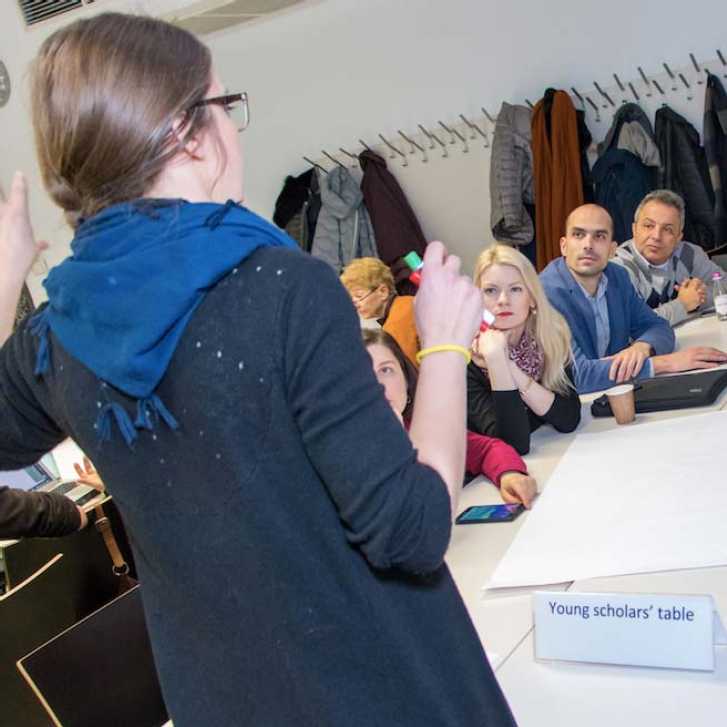
Under the broad umbrella of “the social economy,” research has a major role to play in helping us better understand the strengths and weaknesses of multiple forms of social entrepreneurship.

An excerpt from Amateurs without Borders explores a new wave of grassroots development aid putting NGO work back in the hands of amateurs.

Social innovation separated old from young, sowing disconnection and discontent. Here’s how we can come together again.