


Investing in Menstrual Health Is an Investment in Global Health
Because it cuts across distinct sectors, menstrual health and hygiene (MHH) is a much more complex and difficult public health issue than many realize.
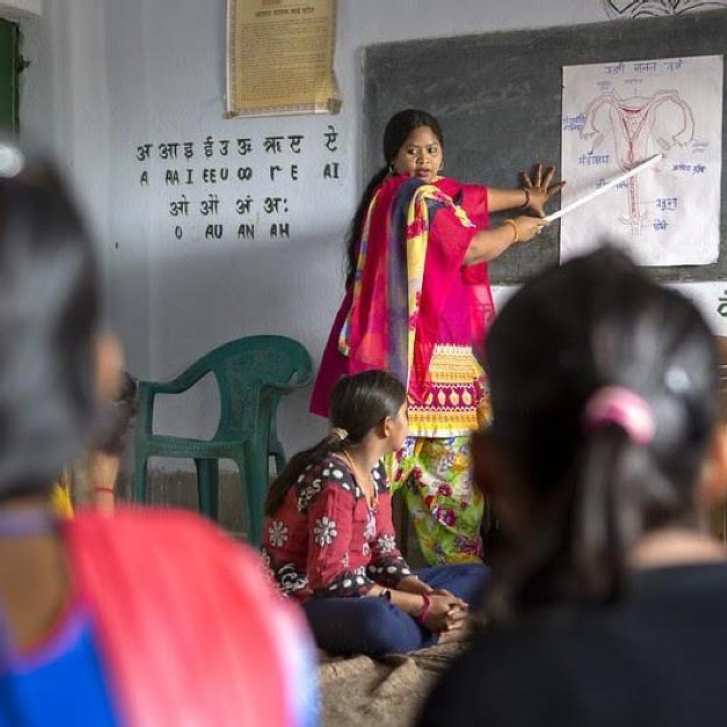
Because it cuts across distinct sectors, menstrual health and hygiene (MHH) is a much more complex and difficult public health issue than many realize.

Families that use successful multi-generational giving strategies can make an impact on important issues, foster a tradition of philanthropy, and deepen their relationships. SSIR publisher Michael Voss speaks with Suzanne Wheeler from Mariner Wealth Advisors and Mary Jovanovich from Schwab Charitable. A sponsored podcast developed with the support of DAFgiving360.

Three unique challenges facing successors who take over from ambitious founder-predecessors, and how to navigate them during the already difficult period of transition.
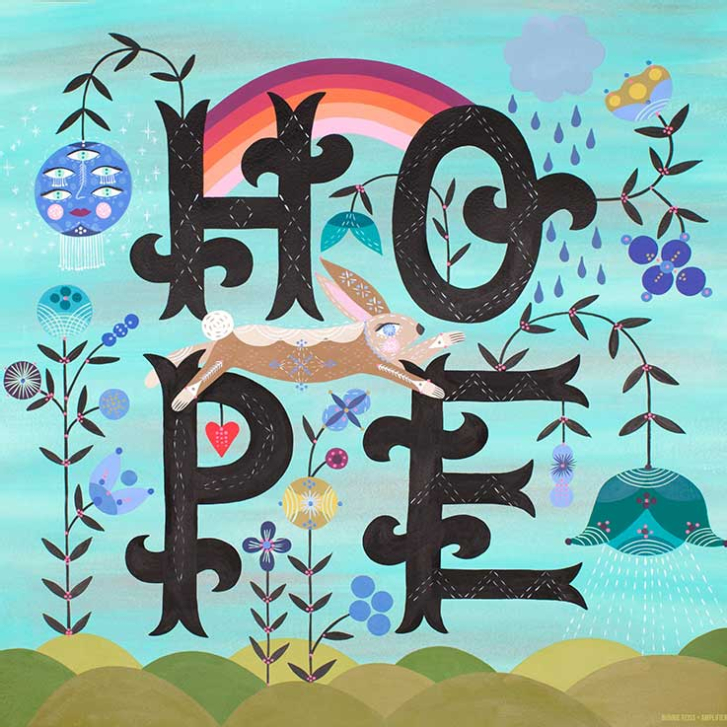
Art reminds us to create solidarity with people working on the frontlines of the COVID-19 pandemic and of the importance of tending to well-being during difficult times.

With looming global crises, scholars now more than ever must connect finance to its role in achieving social and environmental goals. Here are five ways they can step up their teaching and research.

A seamless CEO handoff requires that founders of social impact organizations balance their public image with their organization’s brand, while providing space for their teams to shine early on.
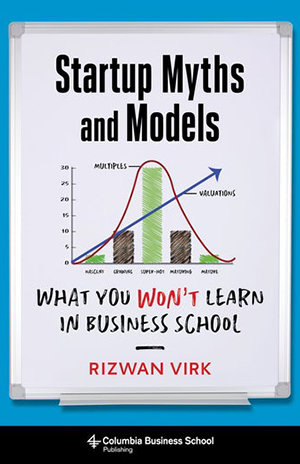
An excerpt from Startup Myths and Models presents a useful model for how startup markets evolve.

Community-centered approaches to research in practice at Simon Fraser University. Part of the Innovating Higher Education series.

Nine super tactics and one superpower board chairs can use to make the most of the board experience and prime their organizations for success.

We need to look to other countries to change how we see our own, opening our imaginations to new ideas, solutions, and futures.