


The Five Stages of Founder Transitions
It is well known that the start-up process is a psychological journey; the same is true of the leaving process.

It is well known that the start-up process is a psychological journey; the same is true of the leaving process.

This essay series, produced in partnership with Generation Citizen’s Scott Warren, looks at the founder succession process through the eyes of those who have lived it, and provides lessons for social enterprises and nonprofits undertaking leadership transitions.
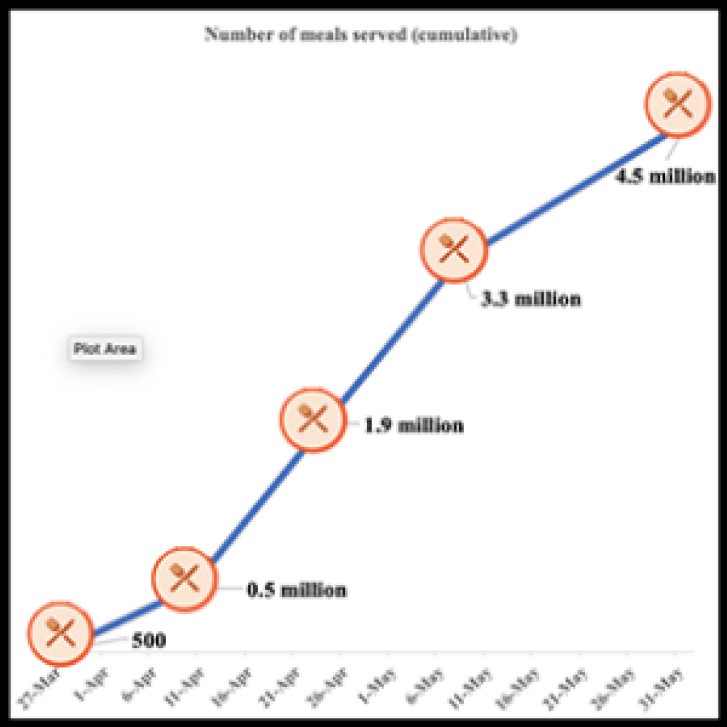
A look at how a community kitchen initiative in India used insights from behavioral science to rapidly scale its services, delivering 4.5 million meals to homeless migrant workers even as the country instituted the world’s largest lockdown to combat COVID-19.

Without clearer insight into the financial benefits of corporate sustainability efforts, they may never be scaled up in the face of climate change, COVID-19, inequality, and many other perceived or real challenges to a company's bottom line. Part of the Impact Investing Today and Tomorrow in-depth series.

Your awesome model doesn’t get to serious scale unless others replicate it, too. Here’s how to make it happen.

The campaign to reform capitalism by making companies prioritize stakeholders could never succeed without getting large multinational corporations on board. Now that Danone, Laureate Education, and Natura have signed on, the B Corp movement is demonstrating how it can be done.

Nonprofits that serve communities of color struggle to survive because of systemic racial disparities and biases. To surmount these challenges, we recommend seven approaches that have emerged from our work with these communities.
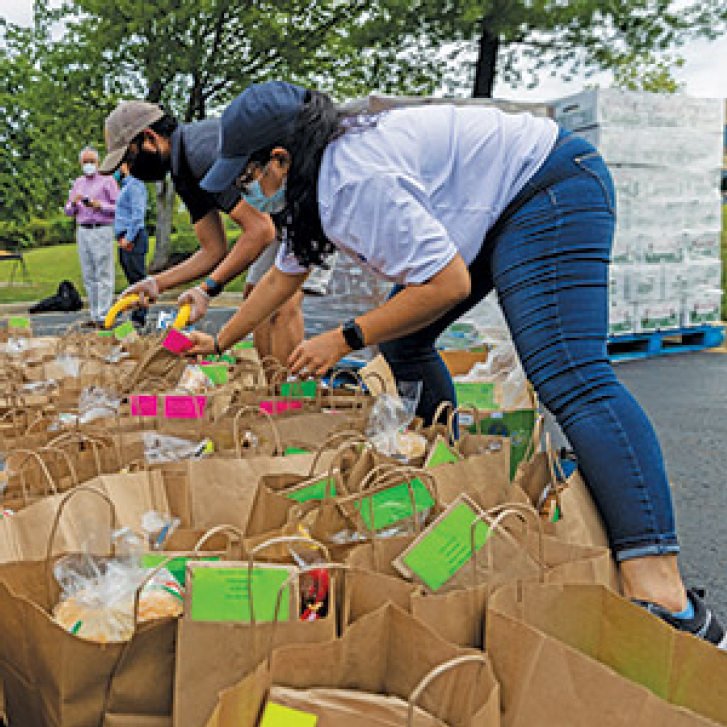
Limiting what counts as philanthropy has curtailed our understanding of its scope and social value. A more expansive approach shows how it is essential for creating a more equitable and democratic society.
Open-access to this article made possible by Indiana University Lilly Family School of Philanthropy.
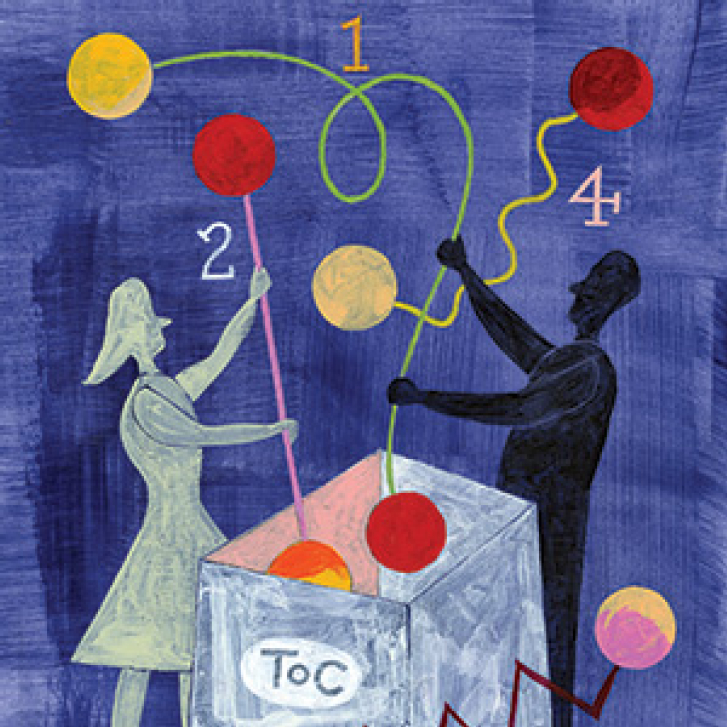
The term “theory of change” is as popular as it is confusing. By gaining a clearer understanding of its various interpretations, practitioners in the social sector can more effectively implement and assess their interventions.

LaderaTECH is developing a hydrogel to preventatively treat areas at high risk for wildfires.