
How San Francisco Became a ‘Silicon City’
Cary McClelland's new book, Silicon City, documents the transformation of San Francisco in the digital age.
Social innovations that improve the health and resiliency of cities (more)
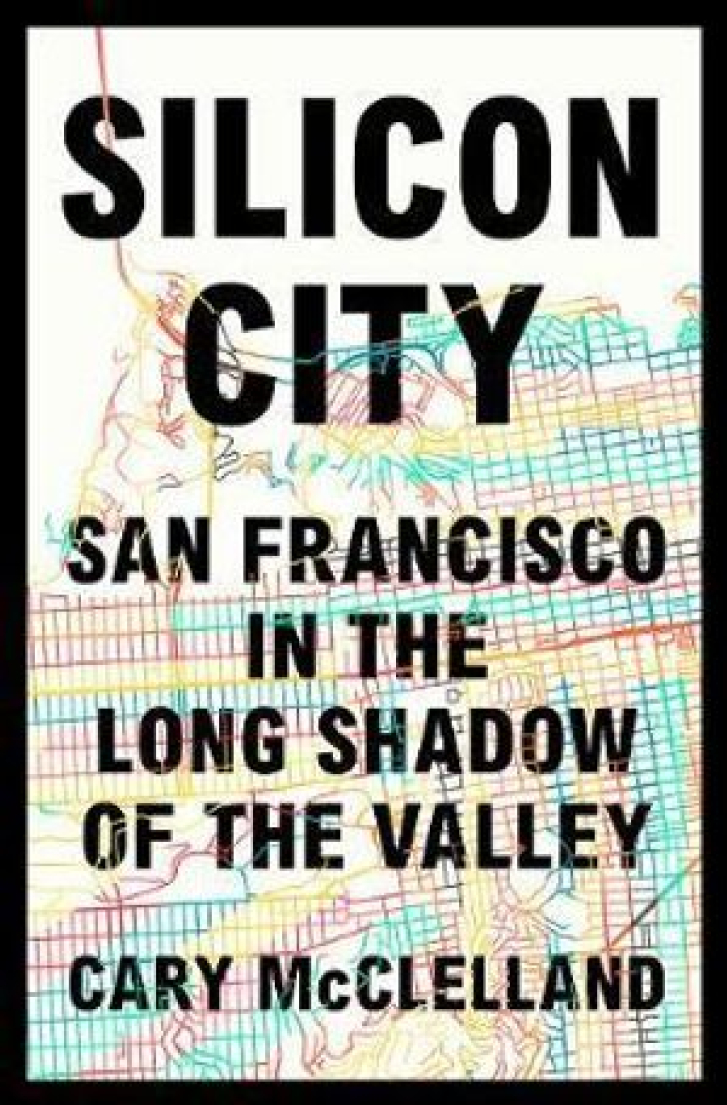
Cary McClelland's new book, Silicon City, documents the transformation of San Francisco in the digital age.
Finding viable solutions to social problems requires that we reconfigure the relationships between those who hold power over communities and those who are impacted by how that power is used.

As more cross-sector collaborations gain traction, we must understand what it takes to keep them running over the long term and ensure that progress continues despite changes in leadership.
Cities continue to be the place where citizens can engage most directly with government—especially when nonprofits are there to offer capacity, expertise, and reach.

Reimagining the Civic Commons claims it has built the first comprehensive set of metrics that connect the impact of revitalization to things like trust between people, neighbors' perceptions of safety, and a community’s ability to draw together people of different incomes, races, and backgrounds.

Benefit Chicago demonstrates how place-based impact investing transforms a community by seeing the investment potential in everyone.
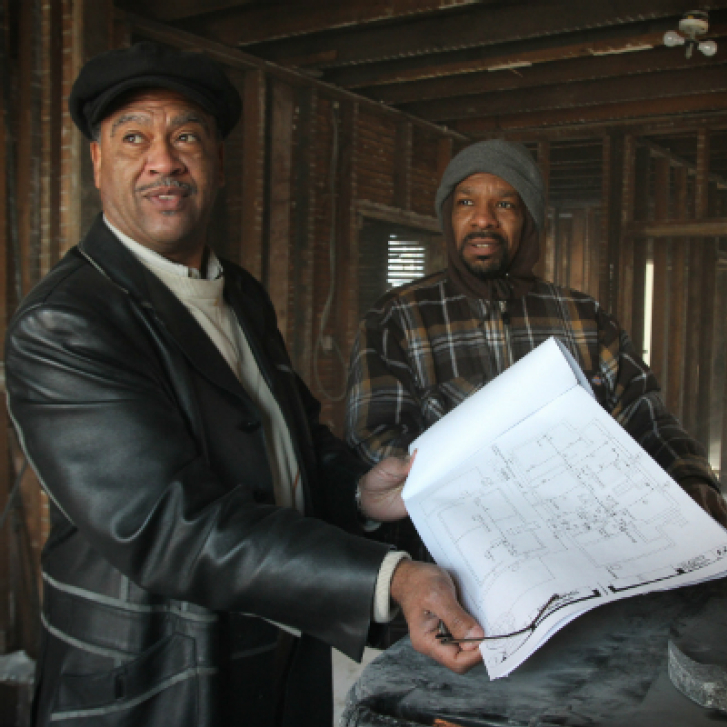
What is the difference between communities that are able to recover from disinvestment and those that cannot? The answer, according to recent research from MDRC, are the presence of strong social networks.

Four ways nonprofits and social enterprises can use market-based solutions to help meet millennial demand for affordable housing.
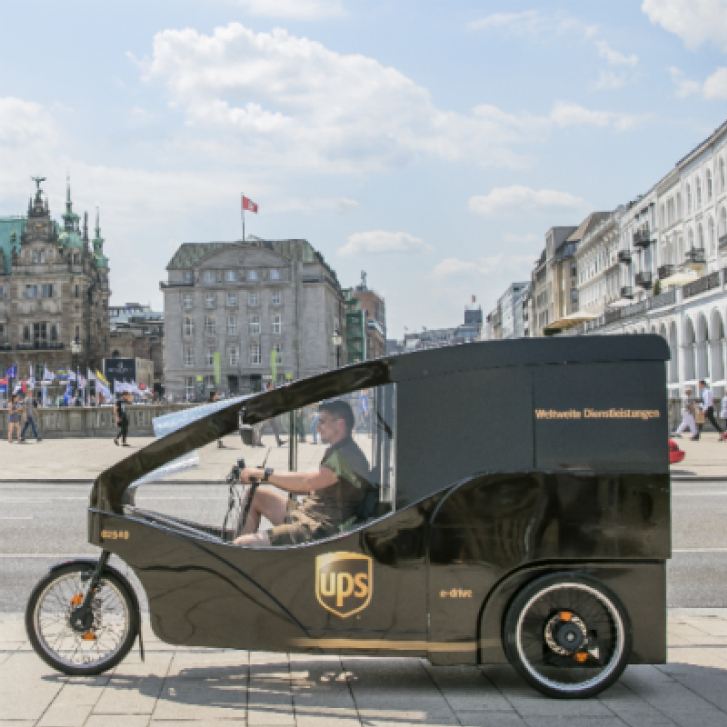
Cities are on the front line of congestion and climate change. Here are a few ways that UPS is partnering with stakeholders to address these issues.

Chicago’s My Block My Hood My City uses the concept of travel to get young, low-income residents more connected with their city.