


sponsored
The Present and Future Are Ours!
We are galvanizing a movement to ensure that every person, regardless of race, background, or zip code can access the American Dream.
Social innovations that improve the health and resiliency of cities (more)

We are galvanizing a movement to ensure that every person, regardless of race, background, or zip code can access the American Dream.

The CEO of Coefficient Giving reflects on more than a decade of pursuing their distinct approach to philanthropy.

Why the current system is broken and what local governments, nonprofits, and philanthropists could do to change it.

As regulatory rollbacks invite polluters to poison air, soil, and water, funders and advocates can respond by rallying around community-led solutions that prioritize health over corporate gain.
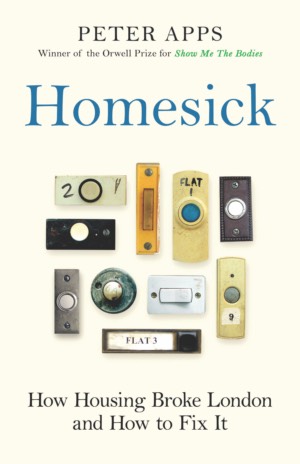
Peter Apps' Homesick argues that beneath the housing crisis of rents and shortages is a deeper history of community-unbuilding.
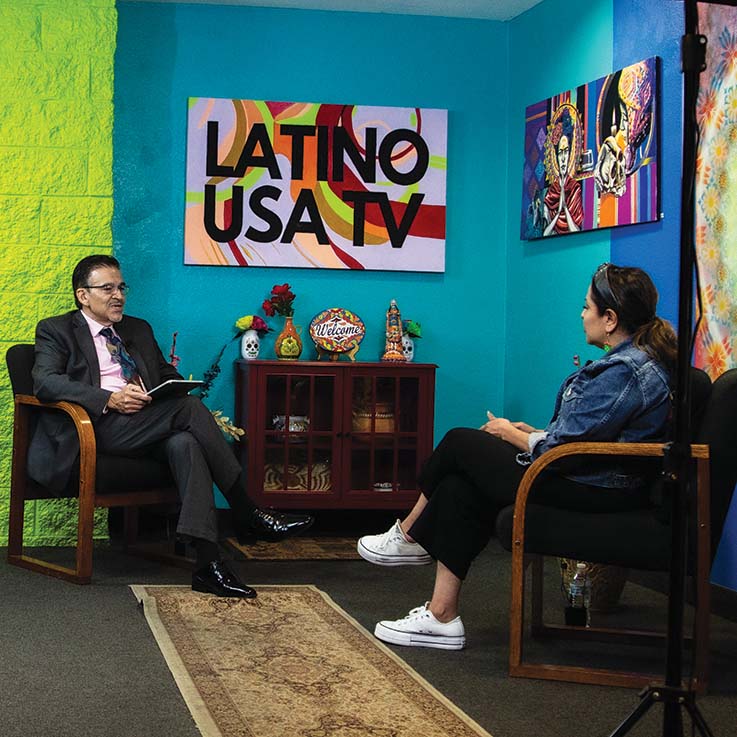
Latinos in Heritage Conservation has grown from a grassroots volunteer-led network into the nation's foremost Latinx historic preservation nonprofit.
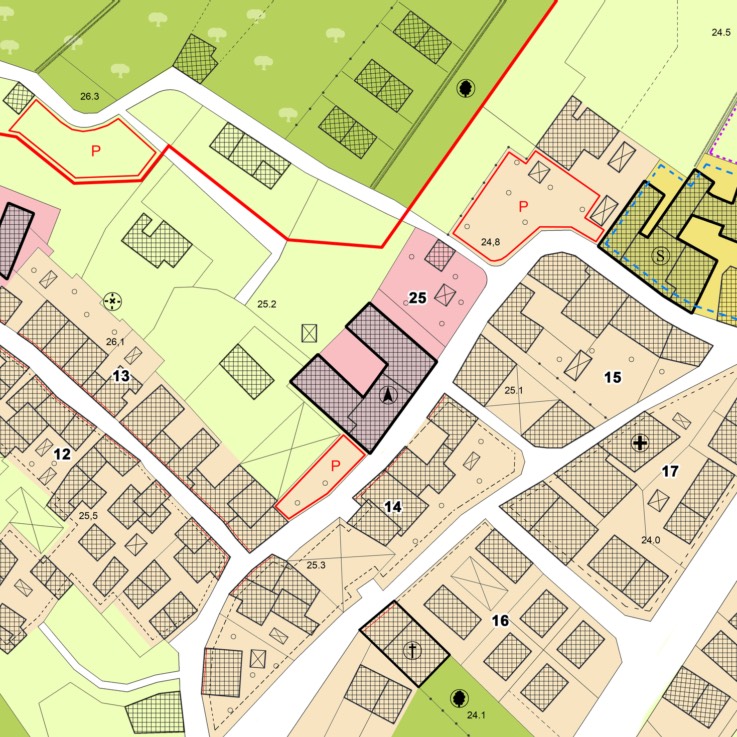
Smart Growth America's new Center for Zoning Solutions offers a headquarters for the zoning reform movement.
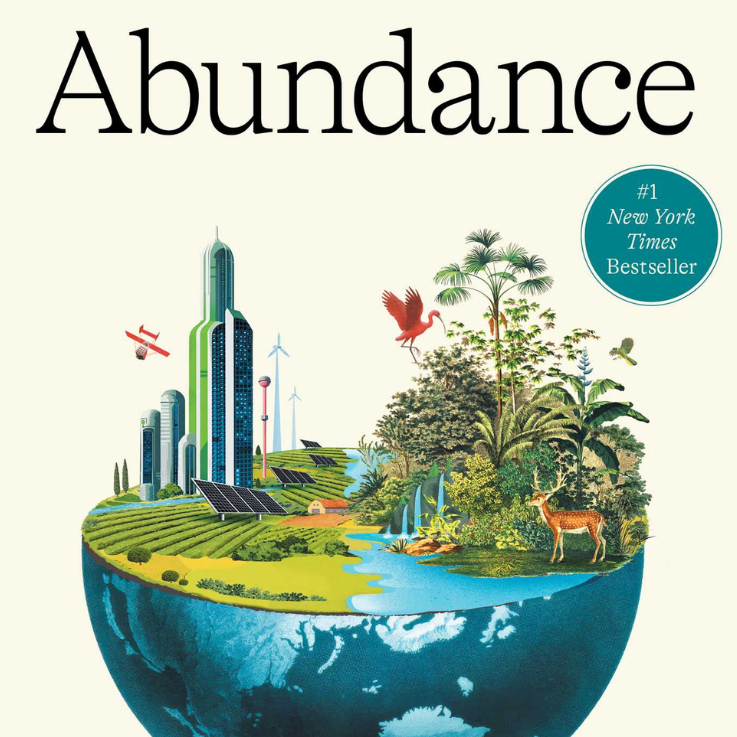
Optimizing for outcomes will require building out a range of local public and private institutions.

Documented, an immigrant-facing nonprofit newsroom, shares the creative and innovative ways they've gone about reaching underserved communities.