


Solving Social Media’s ‘Local Paradox’
Local social networks are often filled with just as much misinformation, racism, and toxicity as global platforms, with effects that can be even more severe.
Social innovations that improve the health and resiliency of cities (more)

Local social networks are often filled with just as much misinformation, racism, and toxicity as global platforms, with effects that can be even more severe.
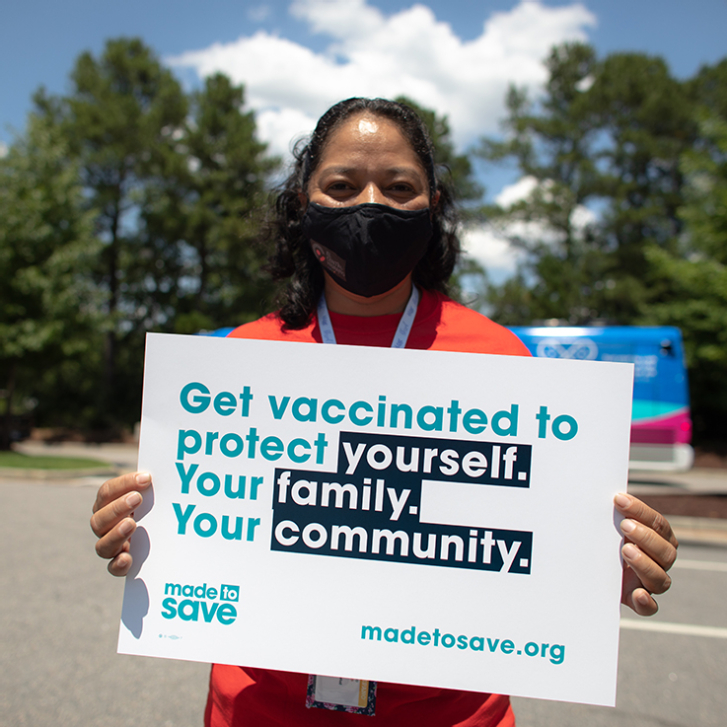
COVID-19 vaccine efforts showed how successfully centering communities can overcome mistrust and access barriers.

The ethical pause—a short period of reflection and inquiry about a project’s ethical implications and the team’s approach to the work—helps ensure teams ask the right questions and address issues of inequity and access in the services they develop.

A collection of standout pieces published online about supporting women’s leadership in STEM, preventing gun violence, creating safer roads, measuring impact, and narrative change.

Chicago CRED proceeds from the belief that the individuals most at risk are not the problem—they are the solution.
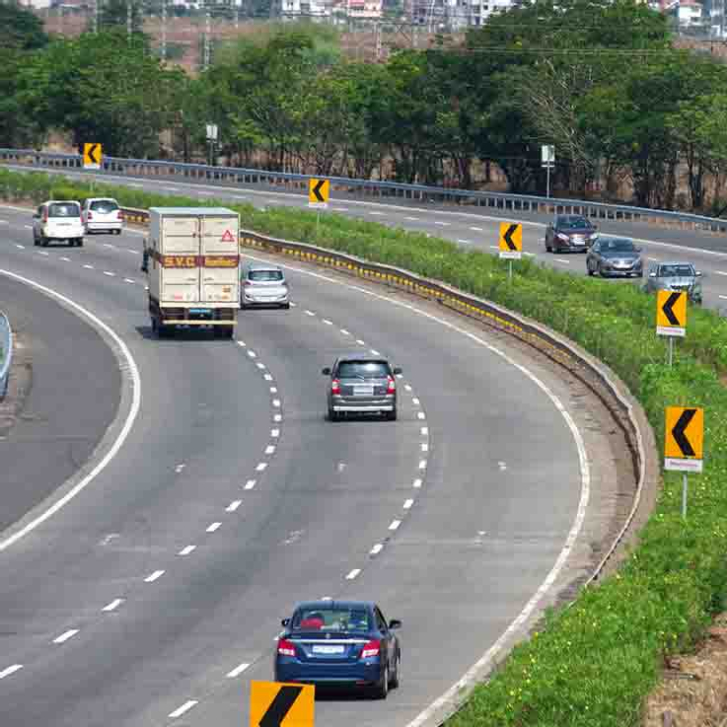
An innovative approach to traffic safety cut fatalities in half on one of India’s most dangerous highways.

The rise of the venture capital-backed delivery economy demands a cross-sector pushback.

How government and philanthropy can unlock the billions needed to shelter America’s unhoused

Ten Global Cities features a range of interventions that can, through dedicated collaboration, provide solutions to homelessness.

As state and local governments in the United States start spending the largest infusion of direct federal funding in history, they should make sure they aren’t investing in systems that increase inequity.