The Curb-Cut Effect
Laws and programs designed to benefit vulnerable groups, such as the disabled or people of color, often end up benefiting all of society.
Social innovations that enrich society and enhance democratic participation (more)

Laws and programs designed to benefit vulnerable groups, such as the disabled or people of color, often end up benefiting all of society.
Detroit’s experiences hint at a model where philanthropy and business routinely supplement and complement government.
Foundations aspiring to make a difference in challenged cities have much to offer beyond grantmaking—if they are willing to embrace new roles that may fall well outside their comfort zones.

Why the social sector should not relate its work in any quantitative or qualitative way to the GDP.
Around the world, people want more say in what questions candidates need to answer during presidential debates.
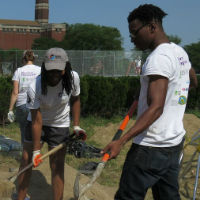
By transforming municipal volunteering programs into “impact volunteering” efforts, leaders and citizens can lay a foundation for civic renewal.
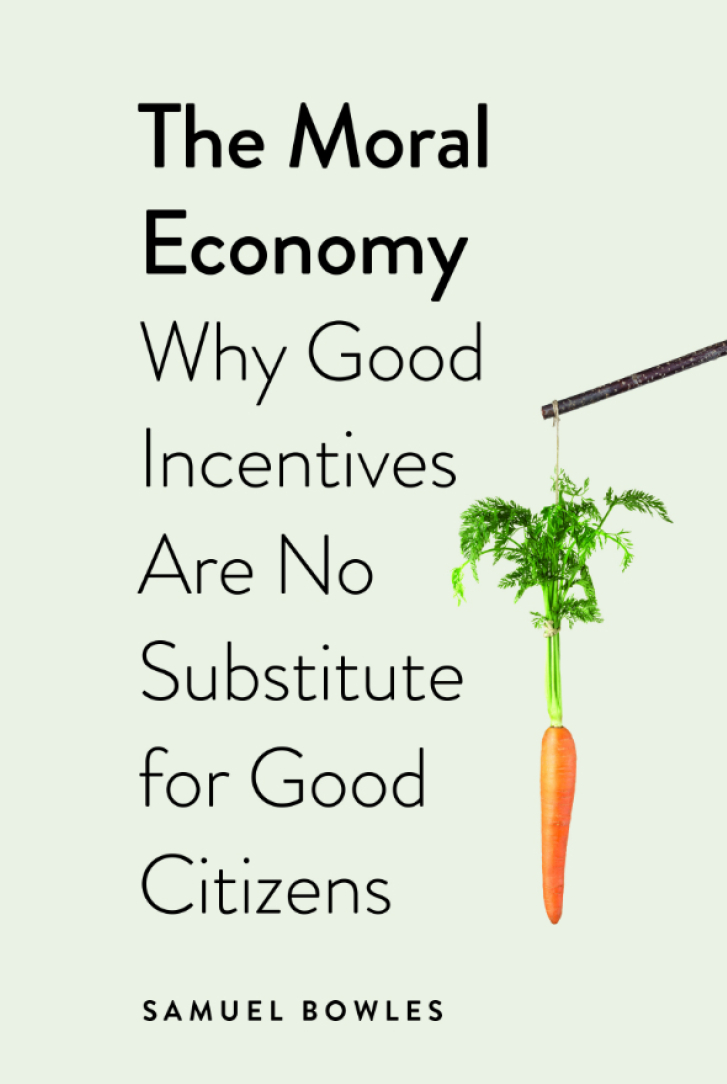
When we pay people to do things that they know they should be doing as good citizens, they tend to devalue the moral basis for acting that way.

Why investing in social enterprise can not only help the next US President leave a social innovation legacy, but also make a transformative impact on the lives of the Americans who need it most.