Advocacy
Advocating an End to the Death Penalty
The Atlantic Philanthropies and its network of partners are using advocacy and communications to end capital punishment in the United States once and for all.
Social innovations that enrich society and enhance democratic participation (more)

The Atlantic Philanthropies and its network of partners are using advocacy and communications to end capital punishment in the United States once and for all.
Many media companies are using algorithms this US election year that are having the effect of accentuating people’s differences and stoking their fears. Is it time for social innovators to build new tools that help promote a more tempered, consensus-based discourse?

These books offer perspectives on how we can enable a broader range of people to participate in our systems and institutions.
Participatory budgeting, which enables citizens to decide how to spend public funds, is building a more empowering model of democracy.
Lessons from the voter turnout series, a collaboration between the Hewlett Foundation and SSIR.

A recent get-out-the-vote experiment shows that turnout in primaries can be cost-effectively enlarged and broadened by targeting voters who only vote in general elections and who are often ignored by campaigns.

Building on a quarter century of get-out-the-vote efforts, MTV’s 2016 “Elect This” campaign will encourage young people to vote in support of the polices that inspire them, rather than the political system that doesn’t.
Higher voter turnout in those primaries would help prevent polarization and encourage a well-functioning legislature.
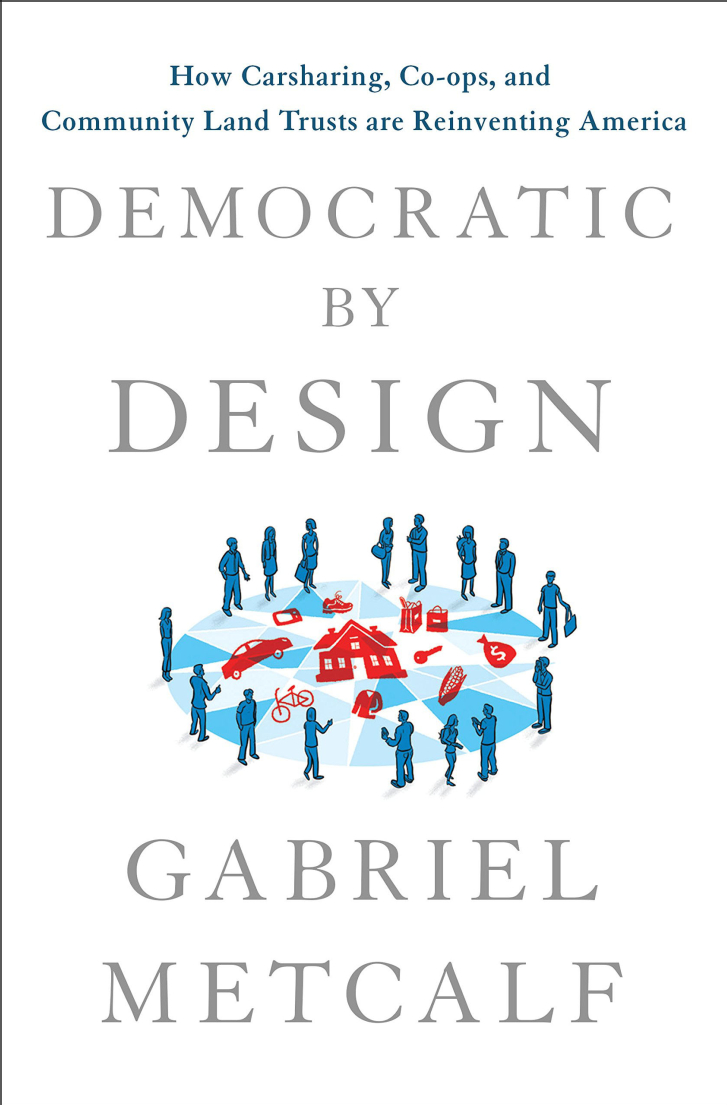
In Democratic by Design, Gabriel Metcalf looks at how small-scale, self-organized projects that work outside the traditional structures of government and business can scale up to effect widespread social change.

Young people can be more engaged in politics, but major institutions must actually want that to happen.