


Crowding Out Racism
Germany’s Mobile Counseling Teams empower local citizens to take back the public sphere from the far right.
Innovative ways organizations can work together to increase their overall reach and efficacy (more)
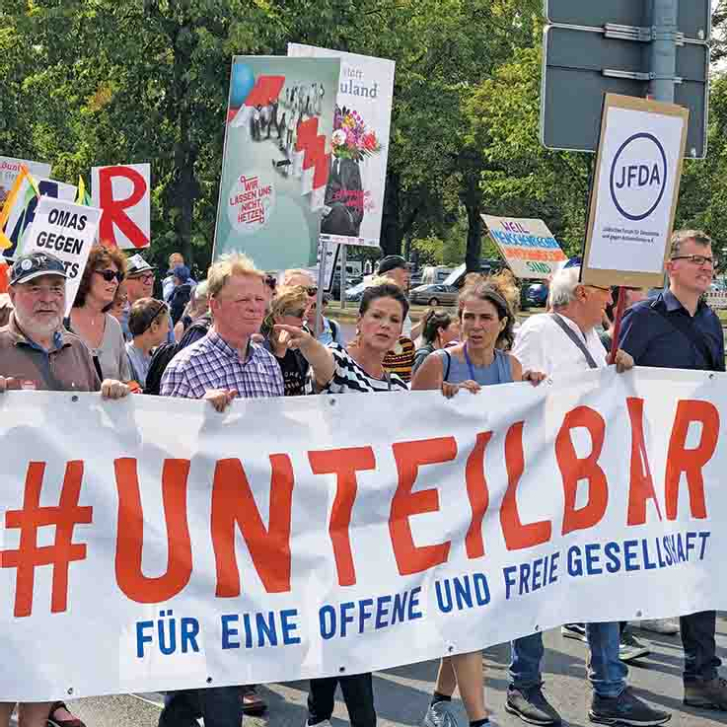
Germany’s Mobile Counseling Teams empower local citizens to take back the public sphere from the far right.

Global charity A4ID boosts the ability of NGOs to fight poverty and corruption by connecting them to law firms.

Through place-based work, we have learned new ways to partner, collect data, and invest to bring systemic change and eliminate structural inequalities in our communities.

A collection of standout pieces published online about blockchain for good, collective impact, overcoming racial equity fatigue, and carbon offsets.

Collective impact initiatives have contributed to systems changes and improved the lives of many living in our communities. In the next decade, they must focus on equity, shifting imbalances of power, sustainability, and greater collaboration across initiatives to achieve even more lasting social change.

Corporate, government, and civil society leaders can use the collective impact approach to address structural racism, restore communities, and design a multiracial democracy.

Leaders of the Aspen Institute Forum for Community Solutions’ Opportunity Youth Forum share lessons from a decade of work achieving better outcomes for young people.

Collective impact efforts must prioritize working together in more relational ways to find systemic solutions to social problems.
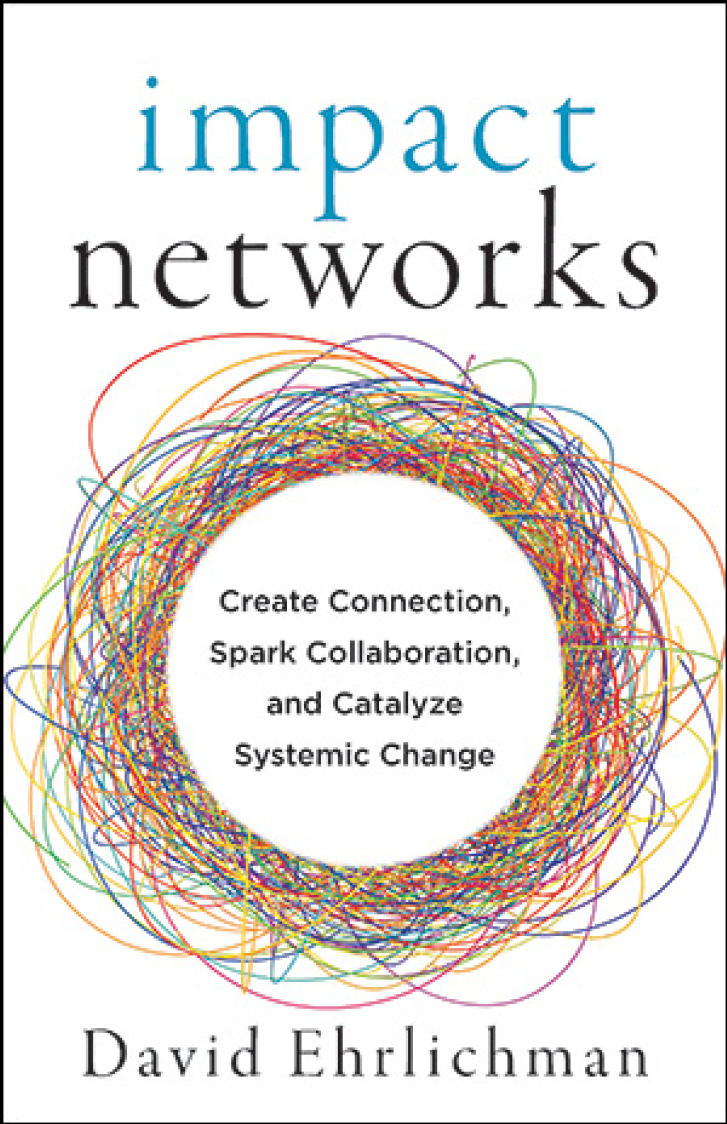
An excerpt from Impact Networks on four key principles to realize the immense potential of collaborative and purpose-driven networks.

How a network mindset can break down silos between public agencies and nonprofits to successfully promote equitable and accessible education.