A Different View of Mapping
New platforms are using crowdsourcing and open-source technology to challenge Google’s dominance over how we see the world.
Innovative ways organizations can work together to increase their overall reach and efficacy (more)
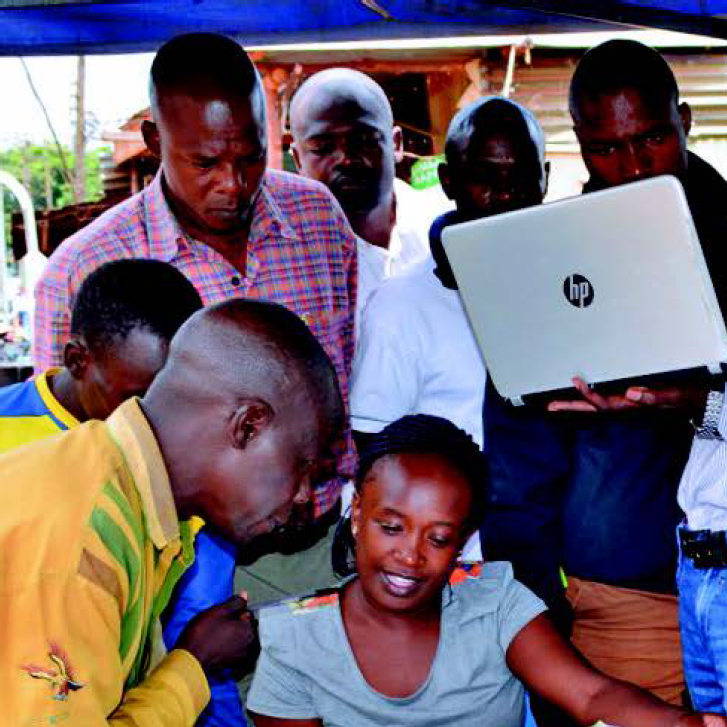
New platforms are using crowdsourcing and open-source technology to challenge Google’s dominance over how we see the world.

Top-down development doesn't work. What's needed is a "pull model" created by locals, funders, and government agencies working together as equals.

To make education systems more adaptive, innovative, collaborative, and empathic, we as change leaders must first model these characteristics ourselves.

Social innovation educators are responsible for teaching students how to become collaborative community partners. Here's how.

A collective impact effort in Greater Cincinnati offers a useful framework for evaluating community change.
In bringing the nutrition cohort a carefully calculated strategy, patient capital, and a willingness to let go, Newman’s Own Foundation is demonstrating success at the heart of the collaboration challenge.
The challenges facing the world—issues that affect businesses, government, and civil society in equal part—are too real and too urgent for any sector to go it alone.

How network theory challenges conventional planning strategies and points toward a more flexible, collaborative approach to fundraising.
Social innovators have a lot to learn from situations where they and their target beneficiaries vote on opposite sides.

A closer look at what characterizes an innovation lab can help practitioners, funders, and scholars better understand what labs’ potential and limits might be, as well as better assess the social impact that comes out of the them.