
Collaboration
Pleasantly Surprised by What’s Inside Pandora’s Box
It’s critical to test different approaches to grantee inclusion and to incorporate new learning along the way.
Innovative ways organizations can work together to increase their overall reach and efficacy (more)
It’s critical to test different approaches to grantee inclusion and to incorporate new learning along the way.

Three practices successful social sector partnerships can adopt to improve their alignment and generate better results.
Grantee inclusion is not sufficiently powerful to transform grantee-funder relationships, but it might present a vision for a sector that more evenly shares power.

Grantee inclusion requires learning, risk-taking, and letting go of cherished behaviors and ways of working to make progress.

The White House, manufacturing, e-commerce, and nonprofits team up to get diapers to families in need.
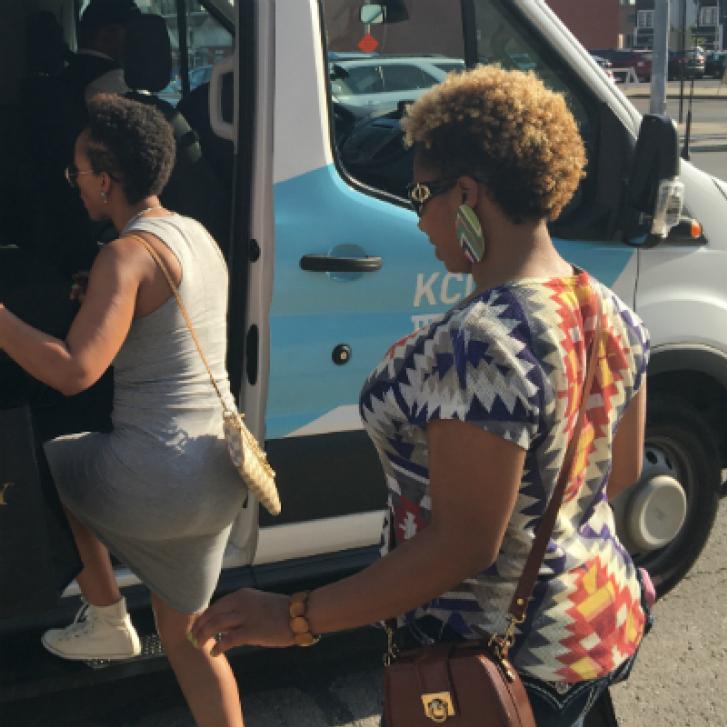
A partnership between a ride-sharing company, a municipal transportation authority, and Ford is expanding transit access in Kansas City.

When a for-profit company partners with an NGO, it must carefully manage employees’ adjustment to a new organizational context.
Foundations’ internal practices and culture ripple out to grantees in meaningful ways, and it directly accelerates or impedes grantees’ effectiveness.
How funders can listen better, step back, and walk alongside grassroots leadership.
By actively moving into the roles of advocate and partner for grantees, grantmakers can cultivate trusting, transparent relationships that ultimately translate into social impact.