Four Ways to Bridge the Grantee-Grantmaker Power Gap in Collective Impact
As grassroots and “grass-tops” groups come together to create collective impact, funders have the power to foster truly authentic engagement and co-ownership among all.
Innovative ways organizations can work together to increase their overall reach and efficacy (more)
As grassroots and “grass-tops” groups come together to create collective impact, funders have the power to foster truly authentic engagement and co-ownership among all.
Relationships take work—and those between grantees and grantmakers are no exception.
Now, more than ever, grantmakers are asking questions and working to learn with and from their grantees, but the lessons matter only if they inform future action.
A 21st-century collaborative framework has the potential to deliver more effective and affordable therapies by aligning and engaging all sectors of society.
It’s time to recognize how inequity shapes funders’ choice of partners.
Including grantees in decision-making, program-building, and strategy is critical to effective social impact. While the things grantmakers “do” are important, authentic inclusion also requires that they embrace a new mindset.
There are conditions under which nonprofits, even those pursuing transformative scale, will find commitment strategies—rather than exit strategies—to be the right answer for their direct service programs.

For funders and founders thinking about launching a multi-stakeholder initiative for social impact, the question of "whether" is just as important as "how."
It’s time for the nonprofit sector to create new models for recognizing individual leaders without compromising the collective efforts, movements, and environment of inclusion that they are trying to build.
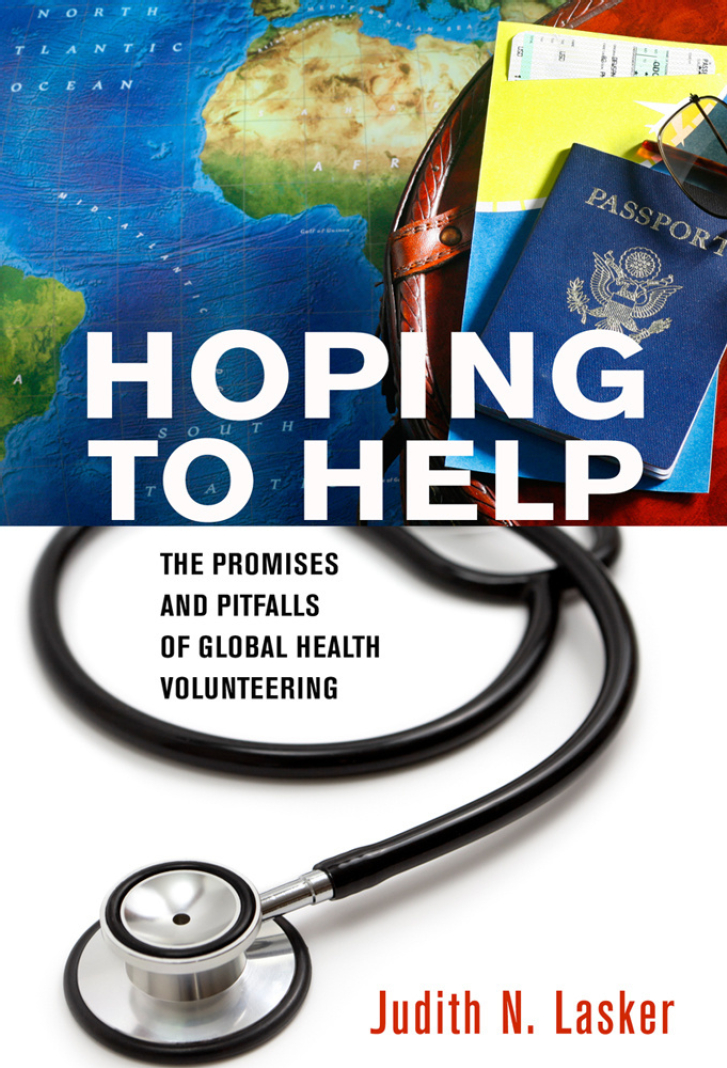
Drawing on extensive field research and surveys, Lasker suggests several ways to make international health volunteering more effective.