Judging “Poor” Choices
Disapproval of welfare recipients who use their benefits to buy “ethical” but costly items is widespread.
Social innovations that improve the living standards of the poor (more)

Disapproval of welfare recipients who use their benefits to buy “ethical” but costly items is widespread.
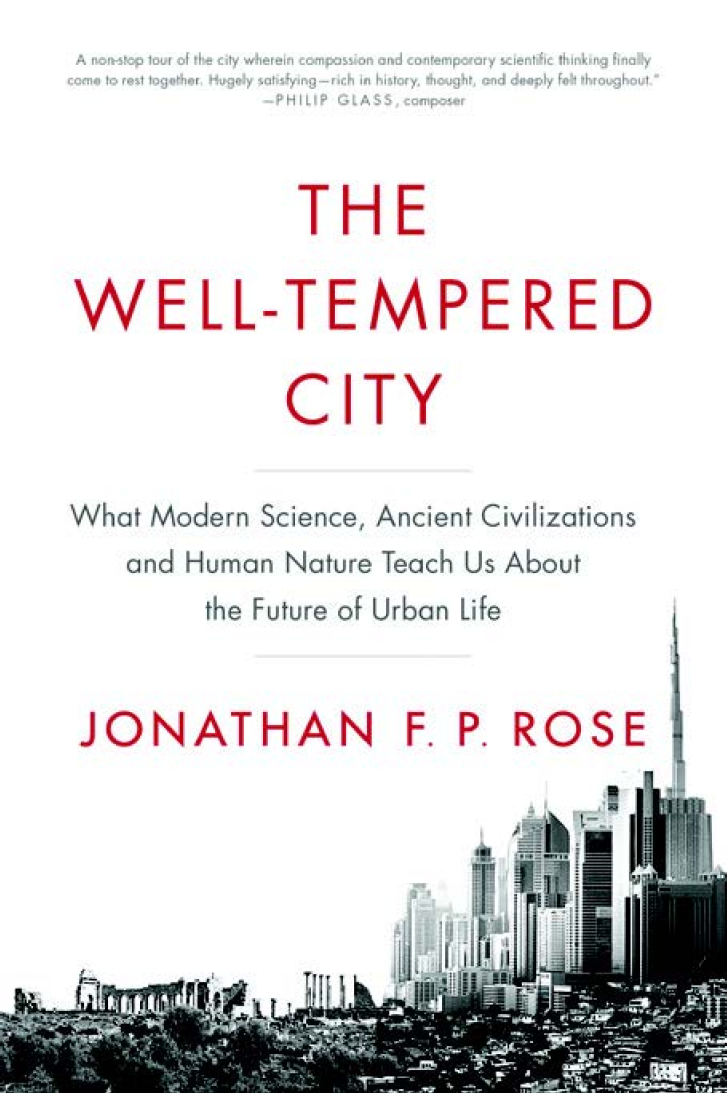
Rose’s bold theory, which offers a new framework for urban planning, could benefit from equally comprehensive recommendations about how to implement it.
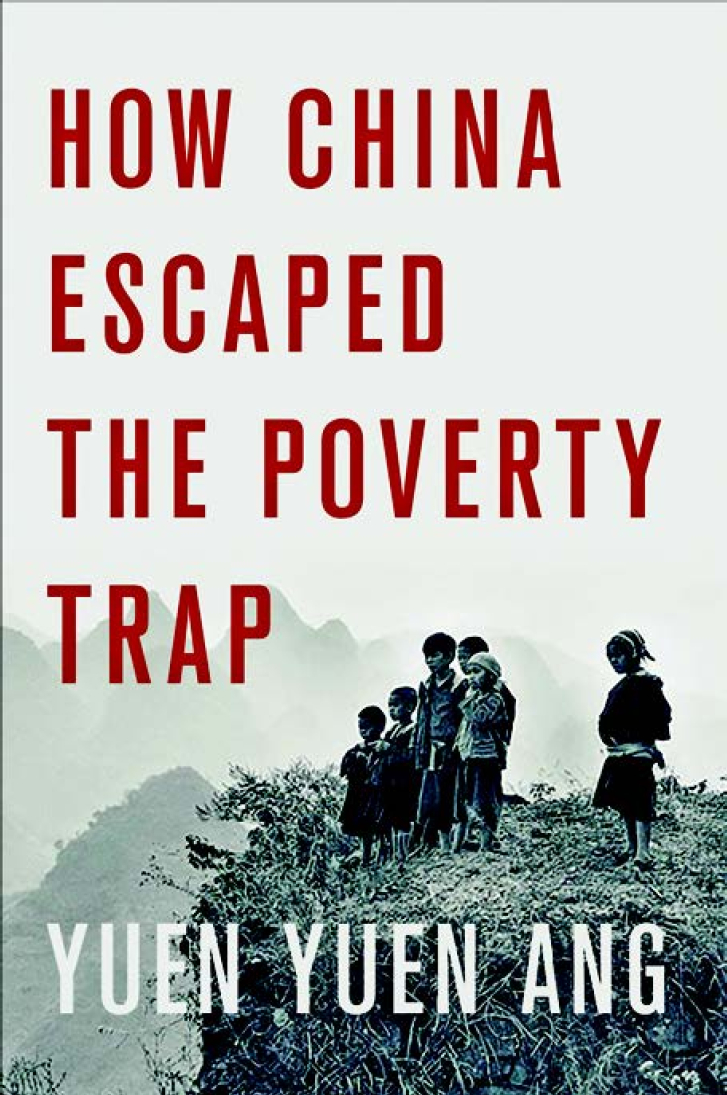
It can be tempting to overgeneralize about patterns in China’s economic development—even for scholars who acknowledge the country’s great diversity.
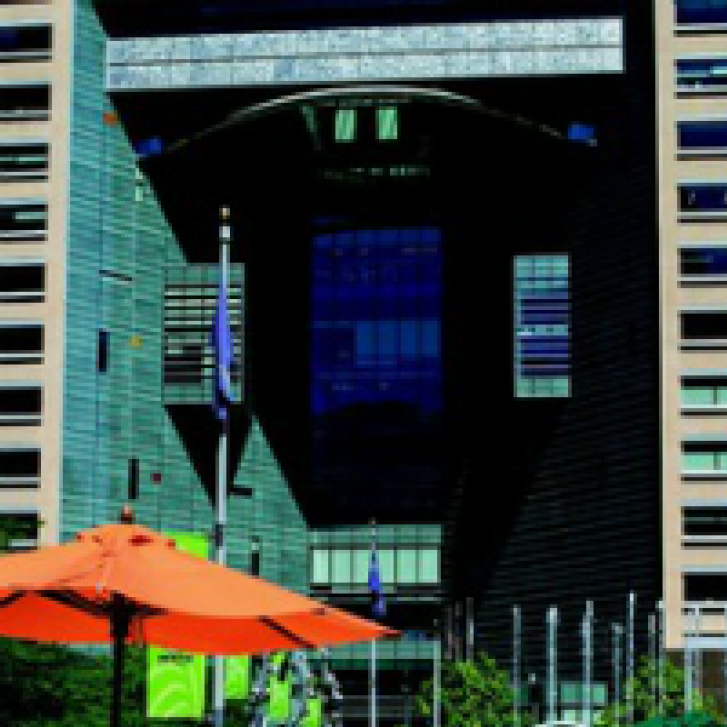
Detroit has become a source of inspiration and solutions for other challenged American cities and even other municipalities looking for innovative new models of urban governance.

Detroit’s experiences hint at a model where philanthropy and business routinely supplement and complement government.

Concentrating investments along key corridors in the Motor City can generate market activity, but more effort must be made to create self-sustaining momentum that propels communities toward broader prosperity.
Innovations will need to address inequity and embrace a broader range of skills than most schools currently teach.
Yale economics professor Karlan talks with SSIR's Michael Slind about how to fight poverty and advance economic inclusion.
Stanford education professor Reardon talks with SSIR's Michael Slind about the role of socio-economic inequality in educational achievement gaps.
How combining “high-tech” and “high-touch” support can improve global financial health.