


A Model for Restoring the Rust Belt
Deindustrialization hit Chicago's south suburbs hard. Can the Southland Development Authority breathe new life into the area and promote a template for reviving regions?
Social innovations that improve the living standards of the poor (more)
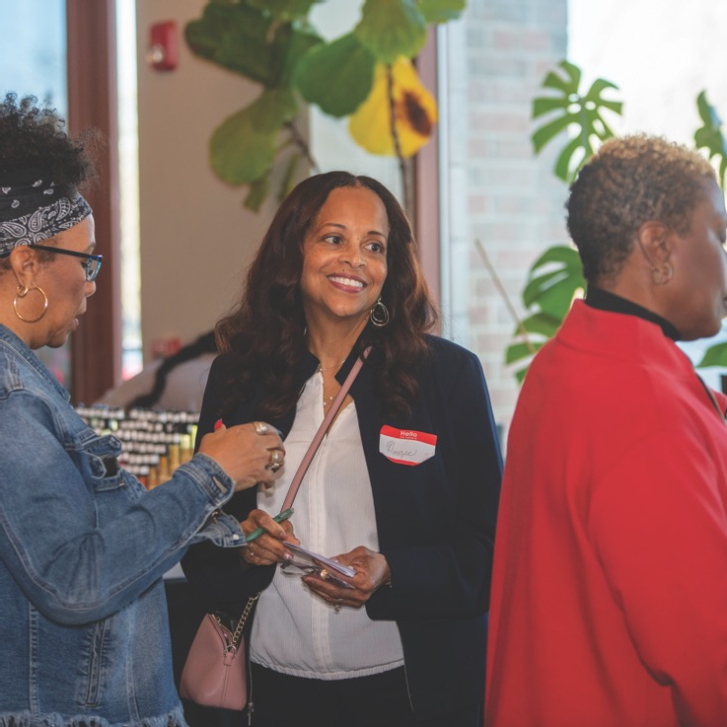
Deindustrialization hit Chicago's south suburbs hard. Can the Southland Development Authority breathe new life into the area and promote a template for reviving regions?

For nearly a century, US policy prioritized homeownership to build middle-class wealth—leaving many renters behind. But innovative new renter-wealth models are enabling renters to access the American dream.

There's validity to the common explanations for the "vibecession," but articles in this issue go deeper into the longer-term loss of agency, growing disbelief in upward mobility, and instability at the root of many people's lives.
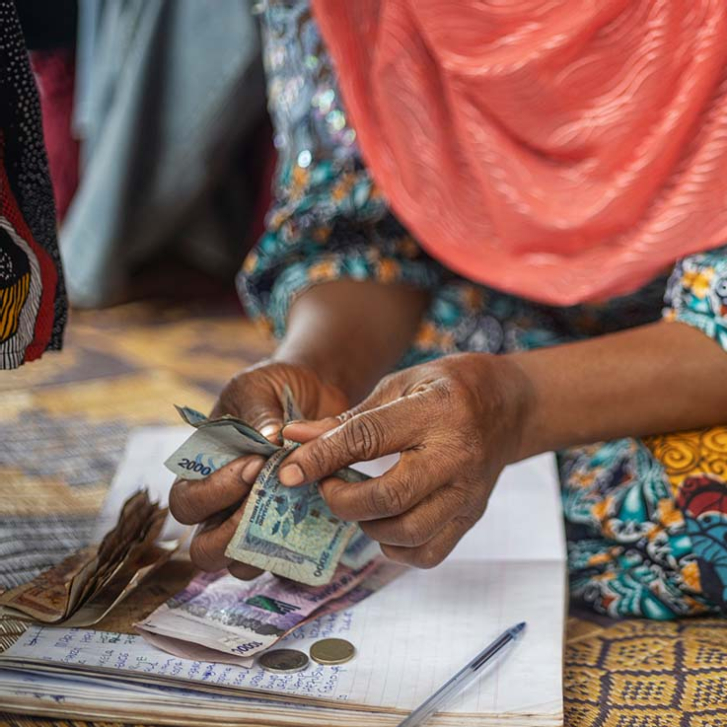
Microfinance isn’t a cure-all solution to poverty, but abandoning it would ignore the real evidence that responsible financial services make a positive, lasting impact on people’s lives.
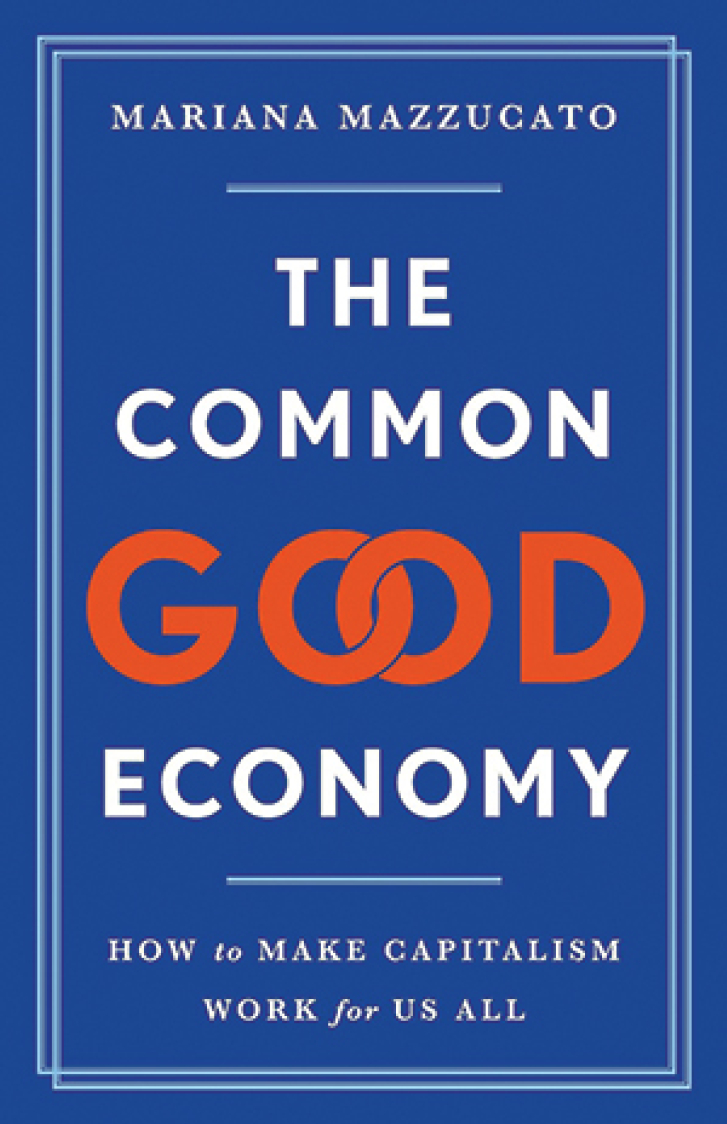
In The Common Good Economy, Mariana Mazzucato is clear-eyed on where we need to go, but the next step is understanding the power structures that prevent us from getting there.
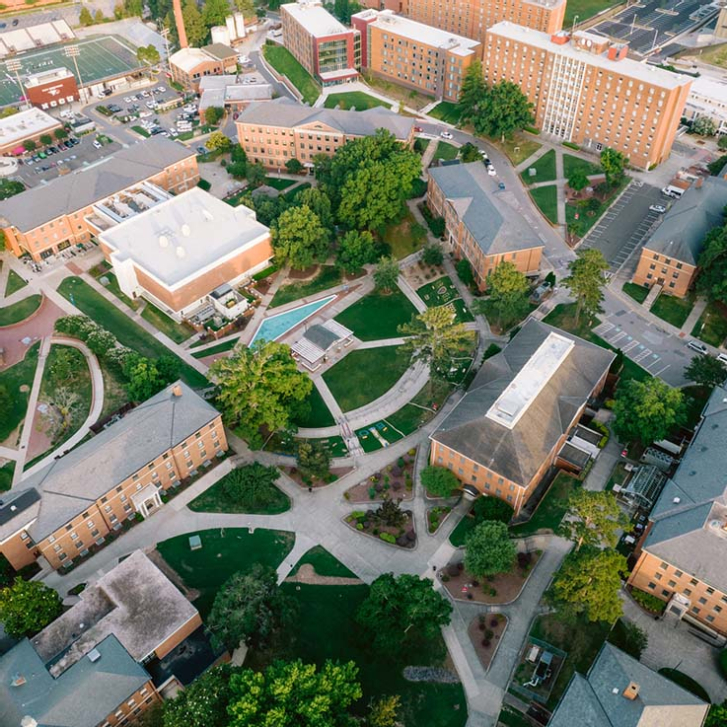
How well-targeted investments can help unlock the full potential of Black higher education.
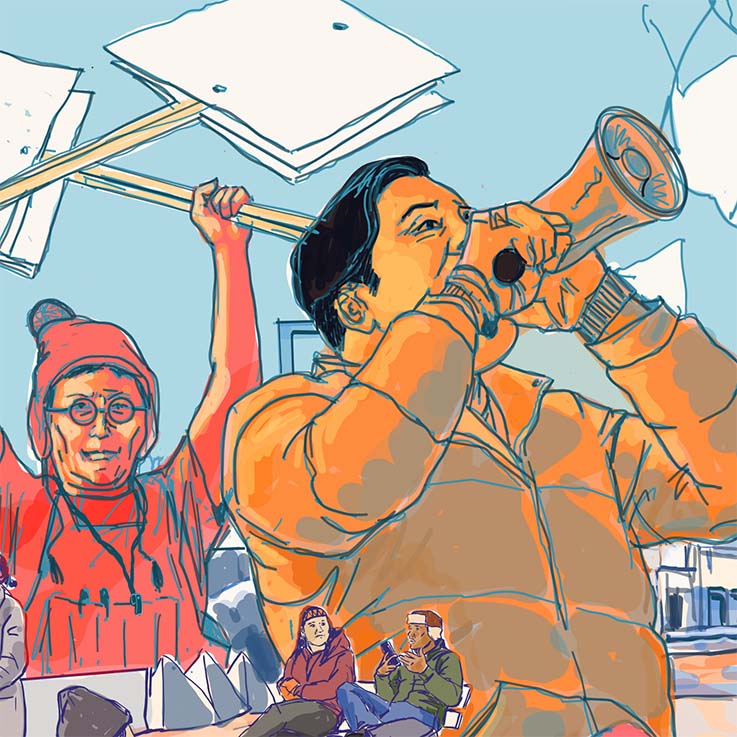
Recognition, distortion, and the organizing infrastructure behind Minnesota's response to Operation Metro Surge.
Two recent books explore the modern prominence of the global financial-inclusion agenda and argue about how it got there.

How the urban revitalization project Localize Gunsan breathed new life into a declining area by applying a pacer model that supports young entrepreneurs for an extended time.
An excerpt from Tom Chi’s Climate Capital on building forward for the future we need.