Three Questions With Raj Chetty
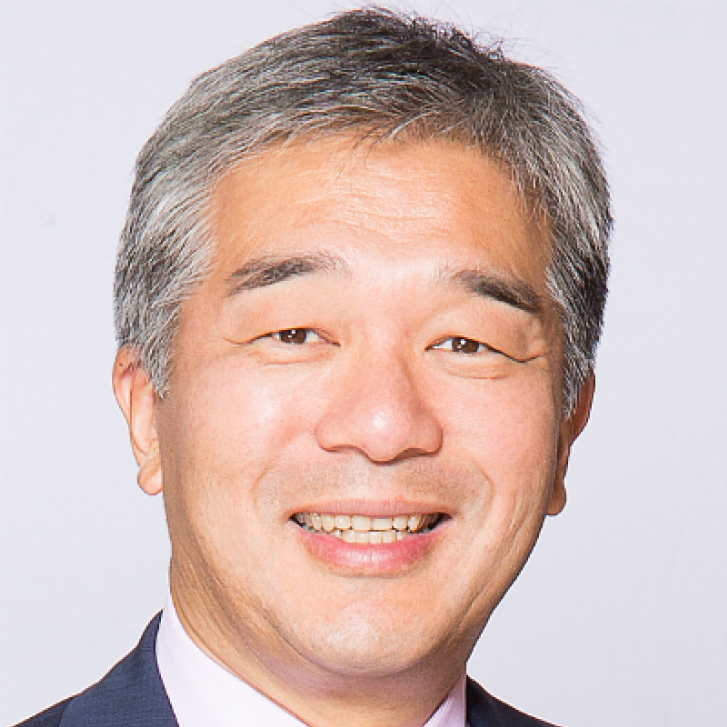
Stanford economics professor Chetty talks with SSIR's Michael Slind about using data to understand the causes of inequality and identify potential solutions.
Social innovations that improve the living standards of the poor (more)
Stanford economics professor Chetty talks with SSIR's Michael Slind about using data to understand the causes of inequality and identify potential solutions.
This series, produced in partnership with the Center for Universal Education at Brookings, aims to spark a global dialogue and promote increased understanding of how to develop the skills and learning that all children need for success in a rapidly changing world.
Addressing non-urgent, lasting conditions such as poor eyesight can help unlock the full potential of the developing world.
How the private sector, governments, and others can use impact investing to better support sustainable social change in humanitarian emergencies.
Behind the success of Triodos Bank success lies a pattern of refusing to take easy or obvious steps to drive growth.
Farmers in the Cordillera region of the Philippines prosper by selling heirloom rice, with help from a company called Eighth Wonder.
In Belgium, leaders of a nonprofit are using a pay-for-success mechanism to fund a program for young migrant job seekers.
The demographic profile of Airbnb users doesn’t quite reflect the egalitarian goals of the “sharing economy.”
The sharing economy can help us coordinate economy activity, but that’s not the same thing as building interpersonal trust and understanding.
Many of the more than 355,000 smallholder coffee farmers in Rwanda are members of producer co-ops.