Leaving People Alone
Survival International helps tribal societies protect their land—and
their way of life—from encroachment and unwelcome development.
Social innovations that improve the living standards of the poor (more)

Survival International helps tribal societies protect their land—and
their way of life—from encroachment and unwelcome development.

Six years ago, the City Colleges of Chicago launched its own turnaround effort—a bid for “reinvention”—and now it’s earning high marks for improved performance.
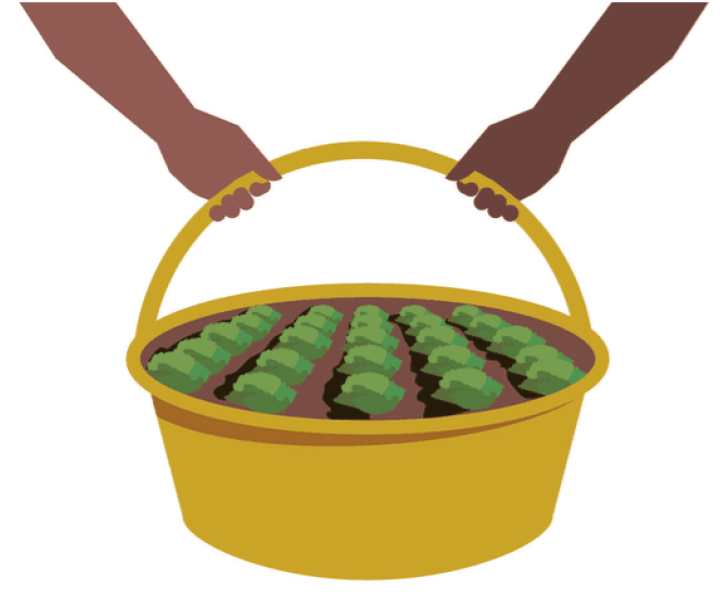
A study of producer organizations in Uganda highlights the role of reciprocity as a motivating force among members.
Cultural factors, including gender norms, can have a decisive impact on efforts to build social cohesion in developing countries.

A new book reminds pessimists that growing numbers of people around the world are wealthier and healthier than ever before.
For households facing financial volatility, the wrong kind of credit can drag them under. But it can also be a tool for building stability. How can we make loans for big-ticket items like vehicles both good for people and good for business?

The financial services industry is at the beginning of a wave of innovation that has the potential to improve consumer financial health.
Policies aimed at generating long-term financial security have become irrelevant to many American households. We need new policies to shore up households in the short term.
Housing programs and policies implicitly assume households have stable incomes. Here’s some ways to change them.
Welfare reform to encourage work doesn’t take into account how unstable jobs have become, especially for the poorest.