Scaling Up Local Food
A new facility in Portland, Ore., aims to solve critical infrastructure problems that thwart the growth of midsize farms and ranches.
Social innovations that improve the living standards of the poor (more)

A new facility in Portland, Ore., aims to solve critical infrastructure problems that thwart the growth of midsize farms and ranches.

In a hybrid organization, the trade-offs between social and commercial goals are real—and they require careful management.
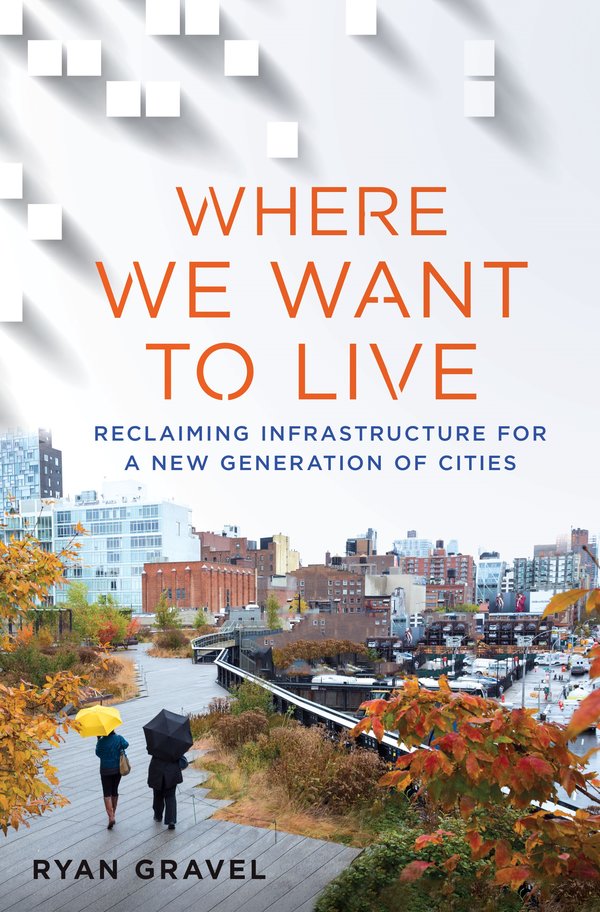
How citizens can push back against urban sprawl and create vibrant, interconnected communities.
A range of strategies and tools can help people in poor neighborhoods make the economic, political, and social connections they need for success.
An innovative digital currency could help harness and unleash more private capital to alleviate poverty, reduce greenhouse gas emissions, and achieve the UN's Sustainable Development Goals.
Highlights from the first two days of SSIR’s Frontiers of Social Innovation, a forum of change-makers themed around “Inclusive Markets—Inclusive Societies.”

This passage from Global Inequality argues that we should focus less on inequalities between specific identity groups and more on reducing overall wealth gaps.

There is no doubt that social change efforts are accelerated by data, but investing in high-quality, cutting-edge research alone isn’t enough to produce solutions. Funders and researchers have to invest more in translating research into action.

Women need to be equal partners in society for them to be equal partners in work.
We must align programs and policies to better support the financial strength and security of families of color today, while keeping sight of the long-term benefits for all of creating a truly inclusive economy.