


sponsored
To Save Our Schools, Trust Young People
Young people have done more than enough to earn our trust. Policy makers not so much.
Innovations in educational policies, programs, and practices (more)

Young people have done more than enough to earn our trust. Policy makers not so much.

How can we teach students to embrace their civic identity as members of their communities and support them in leading our nation's democratic renaissance?

Preparing young people to participate and govern means moving beyond entrusting civic learning to a single course in high school or an elective on campus.

We judge philanthropic capital's impact by what it builds while it is building. We should judge by what stands, without it, after the grant has ended.
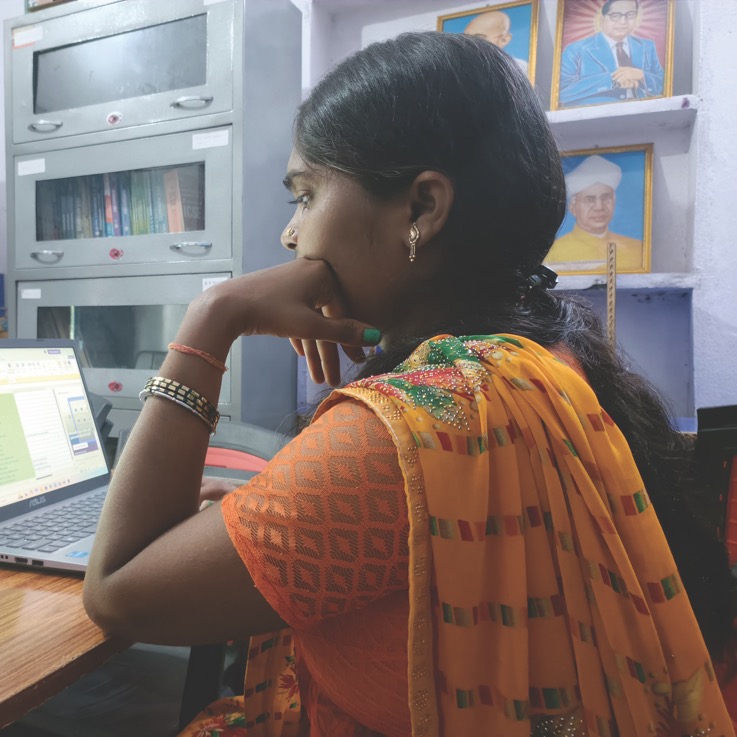
An Indian state's initiative to establish women-run community libraries is giving rural students—especially girls—a safe space to study and access career guidance.

A conversation with two nationally renowned school superintendents about the biggest challenges they face, the relationship between education and democracy, and the tension between innovation and equity.

How schools can support both individual and collective thriving in our democracy.

Choice, agency, and how to design a learning system where private gain and public good reinforce each other.

Patrick Awuah launched Ashesi University as an institution of higher learning thoroughly shaped by social innovation. While it began by borrowing ideas, methods, and credibility from elsewhere, it has evolved into a uniquely Ghanaian enterprise that is a model for Africa and the world.

What the research says about education, jobs, AI, and what students will need to succeed as future workers and citizens.