


To End Homelessness, the Energy of Money Must Change
How government and philanthropy can unlock the billions needed to shelter America’s unhoused
New and innovative ideas for leaders of foundations (more)

How government and philanthropy can unlock the billions needed to shelter America’s unhoused
Philanthropy focused on place helps leverage resources and empower communities. SSIR publisher Michael Voss speaks with Gina D. Dalma of the Silicon Valley Community Foundation, Peggy Davis of the Chicago Community Trust, and Chris Boyce of Schwab Charitable about what a place-based approach to philanthropy looks like. A sponsored podcast developed with the support of DAFgiving360.

Two leaders from business and philanthropy share recommendations for building stronger internal teams and a cross-sector ecosystem focused on designing technology with the needs of the public in mind.

In the last two years, this five-cylinder engine has propelled funders to break through historic barriers to change.
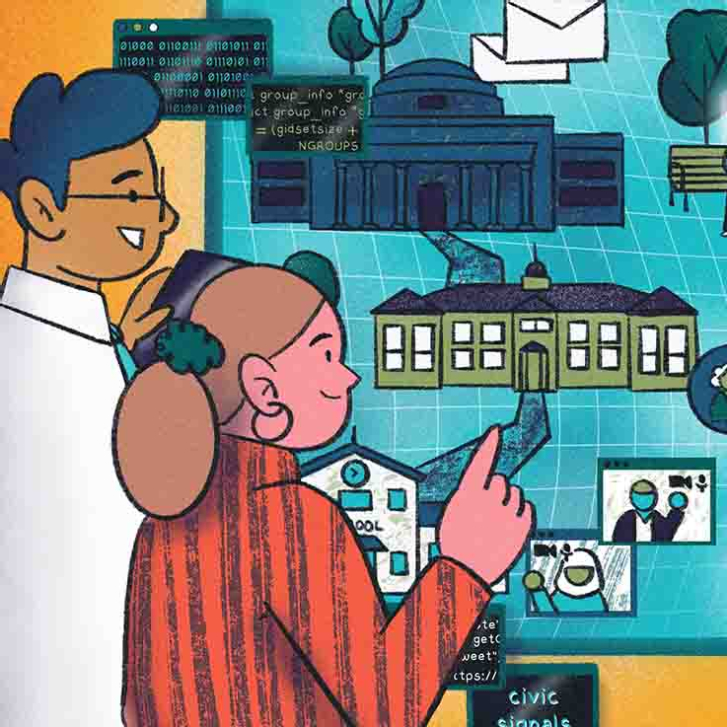
Why we need cross-sector physical, social, and digital assets to undergird next-gen technologies and how philanthropy can help fuel an equitable innovation ecosystem.

Recent rapid growth in climate philanthropy risks redundancy, waste, and friendly fire.
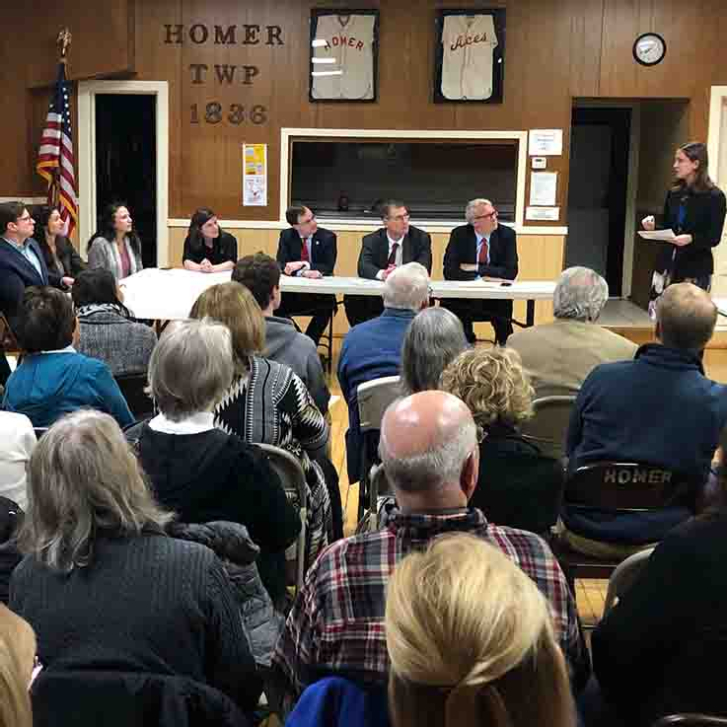
Illinois’ Climate and Equitable Jobs Act shows that transformative policymaking is dependent on a genuinely inclusive process.
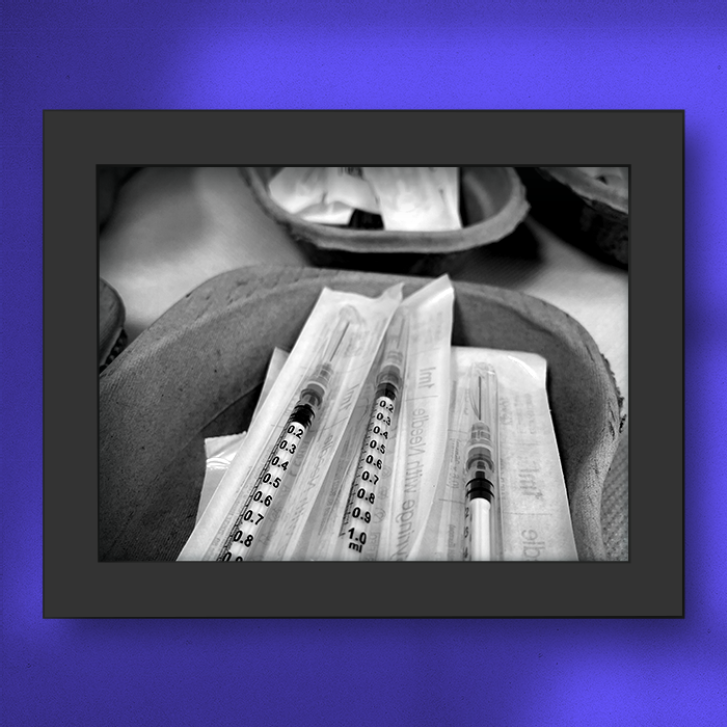
In the final episode of this special series, Dr. Rajiv J. Shah, president of the Rockefeller Foundation, and Mark Suzman, CEO of the Bill & Melinda Gates Foundation, share how they’re redefining the role of philanthropy in addressing public health crises and preparing for future pandemics. Produced in partnership with The Pew Charitable Trusts.

Larry Kramer of the William and Flora Hewlett Foundation and La June Montgomery Tabron of the W.K. Kellogg Foundation discuss the origins of wealth inequality and its impact on American democracy. They also share how their institutions are creating new pathways for all communities to access secure and vibrant futures. Produced in partnership with The Pew Charitable Trusts.
Crystal Hayling of The Libra Foundation and Sonal Shah of The Asian American Foundation discuss how their organizations are transforming the way race is discussed in America and how to improve understanding about racial concerns that will lead to a more inclusive society. Produced in partnership with The Pew Charitable Trusts.