


sponsored
Renewing Common Purpose and Collective Action
The president and CEO of the United Nations Foundation reflects on the power of philanthropic collaboration.
New and innovative ideas for leaders of foundations (more)
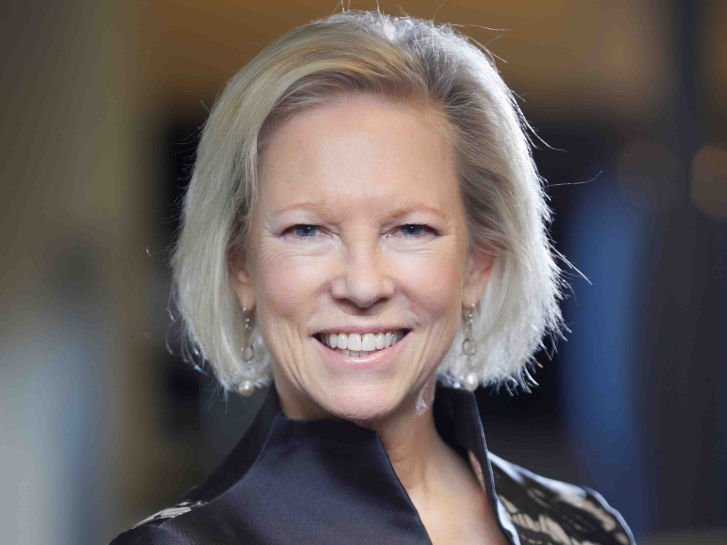
The president and CEO of the United Nations Foundation reflects on the power of philanthropic collaboration.

The president and chair of the board of directors of the JPB Foundation describes what the organization learned from a hub and network approach to big-bet philanthropy.

The head of Blue Meridian Partners and the cofounder of Upstream USA discuss their partnership in using a big bet to transform women’s healthcare nationwide.
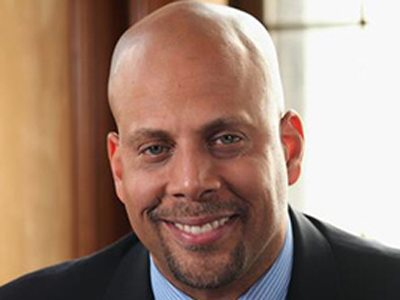
Five insights about social mobility and the role of big bet philanthropy.

New experiments with civic engagement, outreach, and philanthropic models in Philadelphia offer inspiration for leaders across the social sector.

By wielding their deep experience in distressed local communities and using four methods for channeling investment into marginalized regions, foundations can play a deciding role in the success of the Opportunity Zone federal tax incentive.

Without bringing more rigor and resources to scaling impact efforts, the do-good industry will never make the exponential leaps needed to bring social innovations to millions of people.

Charitable organizations can use insights from behavioral economics to help people follow through on their impulsive and deliberative intentions to give.

An SSIR survey of nearly 2,000 leaders of nonprofits, foundations, and other charitable organizations revealed that they believe feedback is important but still struggle with figuring out how to do it.

A transnational program focused on equality shows that engaging with conflict and difference is vital to the growth and effectiveness of social movements and broader change.