
Wielding Philanthropic Leadership With, Not For
Being a courageous and ethical leader in philanthropy means learning to listen, and sharing our power by encouraging, empowering, and enabling others.
New and innovative ideas for leaders of foundations (more)
Being a courageous and ethical leader in philanthropy means learning to listen, and sharing our power by encouraging, empowering, and enabling others.

Global aid agencies must shift from just agreeing to “go local” to preparing development experts for the task.
How philanthropy can support low-income families to build powerful networks and craft policy solutions that reduce poverty in the United States.
To advance equity more effectively in collaboration with nonprofits and communities, grantmakers must share power with and leverage privilege for nonprofits and communities.
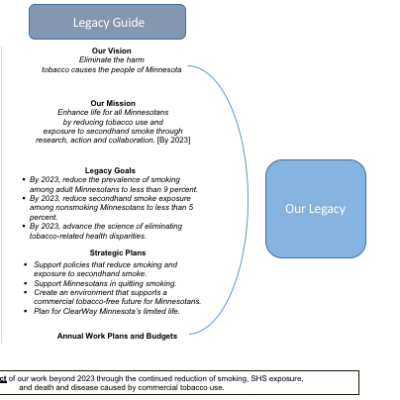
How limited-life organizations can re-position evaluation as a tool to drive progress toward their end goals and measure the enduring impact of their efforts.
Listening to beneficiaries should be part and parcel of any initiative that seeks to help others. Part of a series produced for SSIR with the support of the Hewlett Foundation.

By pooling money, individuals who may otherwise feel powerless are attempting to address imbalances of wealth and influence in the social sector.

At SSIR's 2018 Nonprofit Management Institute, civil society leaders shared insight and inspiration for increasing diversity, equity, and inclusion during an era when divisiveness runs through much of the public discourse.

Simple changes in mindset and behavior can break the cycle of strain and mistrust in grantor-grantee relationships.

An international roster of donors has dispersed billions of dollars since 2000 to address social issues targeted by the United Nations’ Sustainable Development Goals. Their efforts highlight four ways that big bets can achieve big social change.