
Almost Everything You Know About Impact Investing Is Wrong
Growing confusion about impact investing's key principles and practices has it headed for a fall.
New and innovative ideas for leaders of foundations (more)
Growing confusion about impact investing's key principles and practices has it headed for a fall.
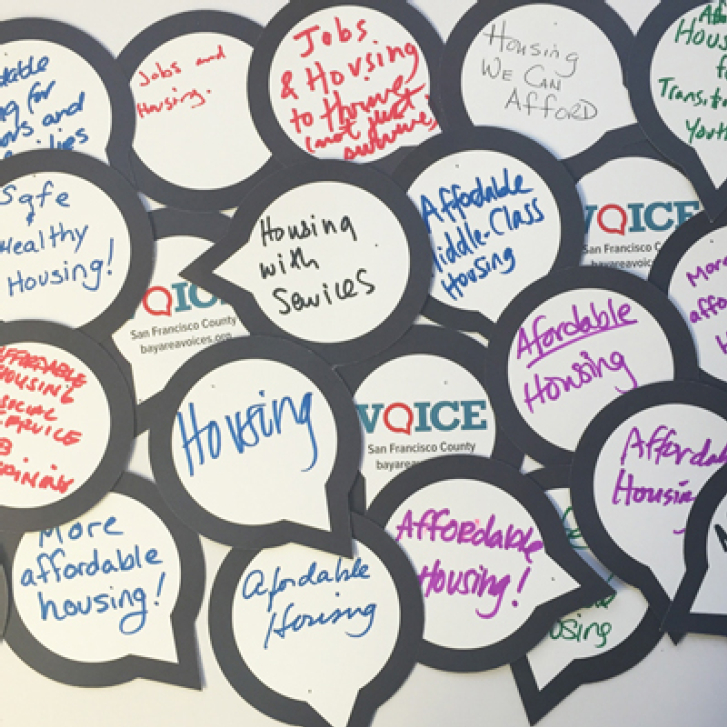
Based on feedback from community listening sessions and consultations with local experts, The San Francisco Foundation reshaped its grantmaking strategy and role in addressing the inequities facing Bay Area residents. Part of a series produced for SSIR with the support of the Hewlett Foundation.
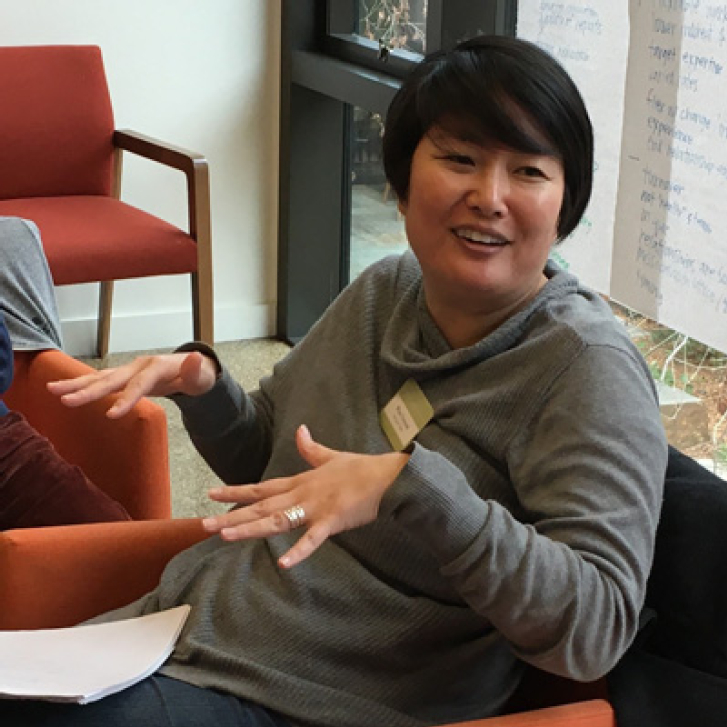
“Resilience” is a favorite buzzword these days, but what does it really mean, and how can grantmakers and nonprofits take practical steps toward achieving it?

A growing chorus of critics are questioning whether big philanthropy is actually a good thing.

Nonprofits need a strategy to ensure that public dollars don’t put them in the red.

Proposals for grants can offer a wealth of ideas and information to the nonprofit community, if foundations take the right steps.
While there are many potential barriers to utilizing power ethically and responsibly, funders can—and must—overcome them to truly advance equity and justice.

By speaking up about money and acknowledging the many choices they have, funders can more effectively channel their full spectrum of resources to achieve change.
Bringing non-family members, people with diverse perspectives, and professional advisors into decision-making can help family foundations take greater risks and bolder action toward their missions.
An excerpt from Jed Emerson’s The Purpose of Capital: Elements of Impact, Financial Flows, and Natural Being