To Change the System, First Change the People
At the Bush Foundation, grantmakers use an analytical approach to identify the right people who can make a difference, and supply them with the tools, connections, and inspiration they need.
New and innovative ideas for leaders of foundations (more)
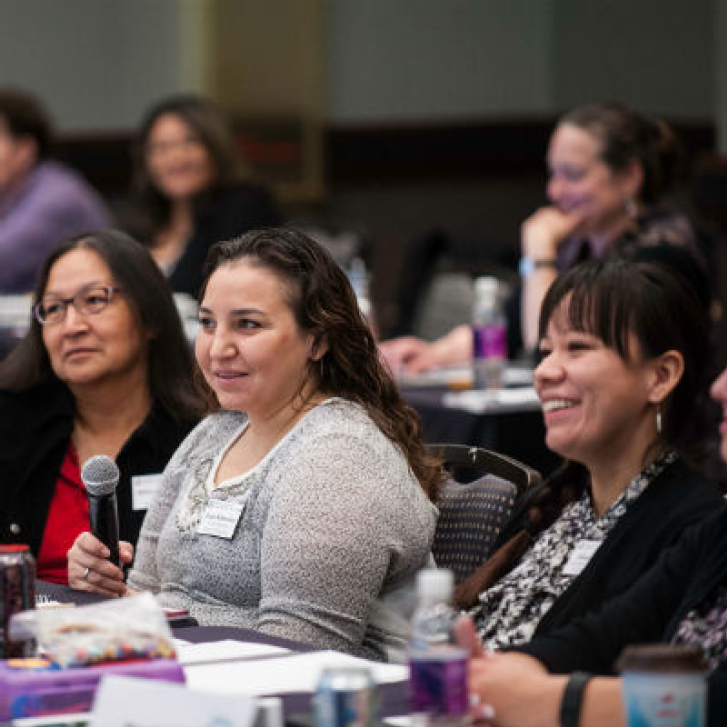
At the Bush Foundation, grantmakers use an analytical approach to identify the right people who can make a difference, and supply them with the tools, connections, and inspiration they need.

Surmounting daunting social challenges such as ending malaria or achieving marriage equality can require the help of an intermediary organization—a field catalyst—that amplifies the efforts of others. Open access to this article is made possible by The Bridgespan Group.
Truly improving children’s educational outcomes at scale requires unorthodox approaches. One promising yet largely neglected approach is to systematically leverage the private sector’s agenda.

Improving learning outcomes in India requires that funders and social purpose organizations shift to working on the entire educational ecosystem rather than focused interventions.

Successful, multi-national, collective impact efforts require that organizations carefully consider two dimensions of their approach.
Community foundations should reaffirm their unique role in the philanthropic landscape and focus on the needs of their geographic community.

The Silicon Valley Community Foundation has grown to become one of the world’s most well-funded foundations. But who in the Valley benefits from this largesse?

The Energy Foundation used a two-pronged strategy of engaging policy makers and grassroots activists to sell green electricity.
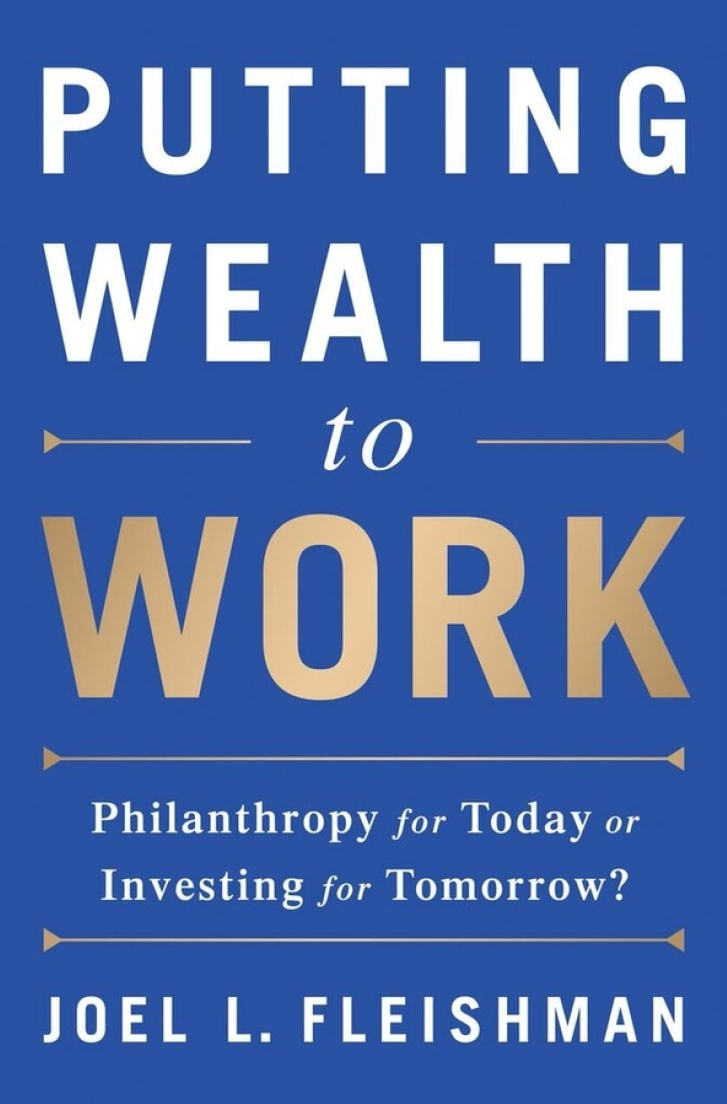
Limited-life foundations are currently all the rage, but Fleishman’s book reminds us that perpetual, endowed foundations are in many cases preferable.

Four strategies in particular may help Africa’s wealthiest businesspeople effect social change and drive economic growth.