


Capitalizing on Care
Premilla Nadasen’s Care: The Highest Stage of Capitalism demonstrates how the labor of caring is a site of economic extraction.
Innovative public sector policies and programs (more)
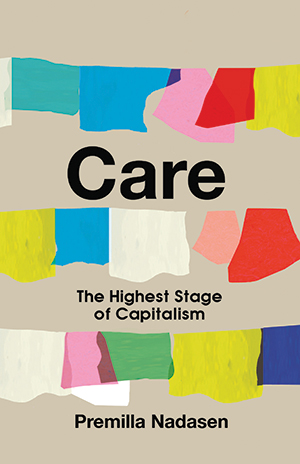
Premilla Nadasen’s Care: The Highest Stage of Capitalism demonstrates how the labor of caring is a site of economic extraction.

Why building capacity for design into mental health policymaking will produce more effective services.

From crush to marriage, the spectrum of relationships between nonprofits and governments
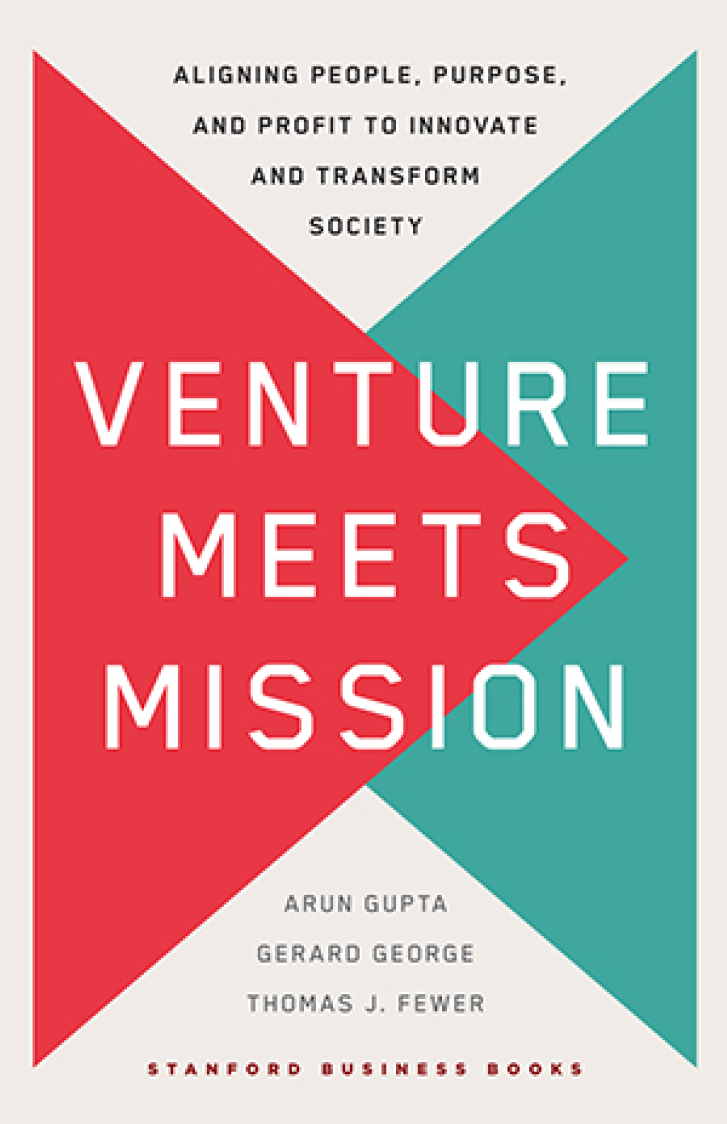
An excerpt from Venture Meets Mission on the call to government service among young people

The Supreme Court’s affirmative action decision highlighted a disconnect between the nonprofit sector’s intentions and its actions.

The key to healing in an epidemic of loneliness is found in local communities that address social isolation as a public health concern.

US government agencies struggle with outdated systems, increased demand, and floundering attempts at modernization. Pennsylvania’s leaders aim to change that.

Big Tech companies are lobbying hard to enshrine new forms of inequality into law.

Rapid advances in AI threaten to eliminate many jobs, but there are still two distinct paths this AI revolution could take.

Young people, especially ones from LGBTQ+ communities, are essential to achieving social change. Examples from Colombia show how to include them in decision-making.