A Plan for Healing
After a period of war and genocide, Rwanda launched a national health insurance program that is now delivering sharply improved outcomes.
Innovative public sector policies and programs (more)

After a period of war and genocide, Rwanda launched a national health insurance program that is now delivering sharply improved outcomes.

There is an urgent need to expand the infrastructure for results-based policymaking at all levels of the US government.

A pilot project in China aims to give the country’s family-planning agency a new mission: supporting early child development.
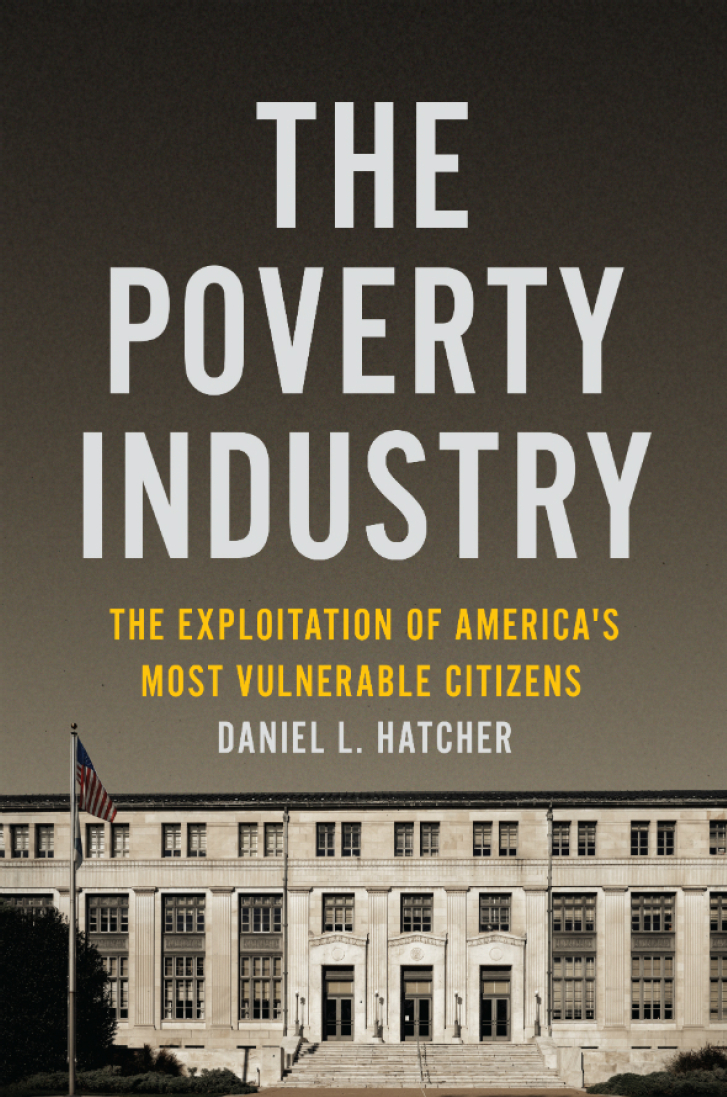
How social services agencies are squeezing revenue from the poor and vulnerable people they’re meant to serve.
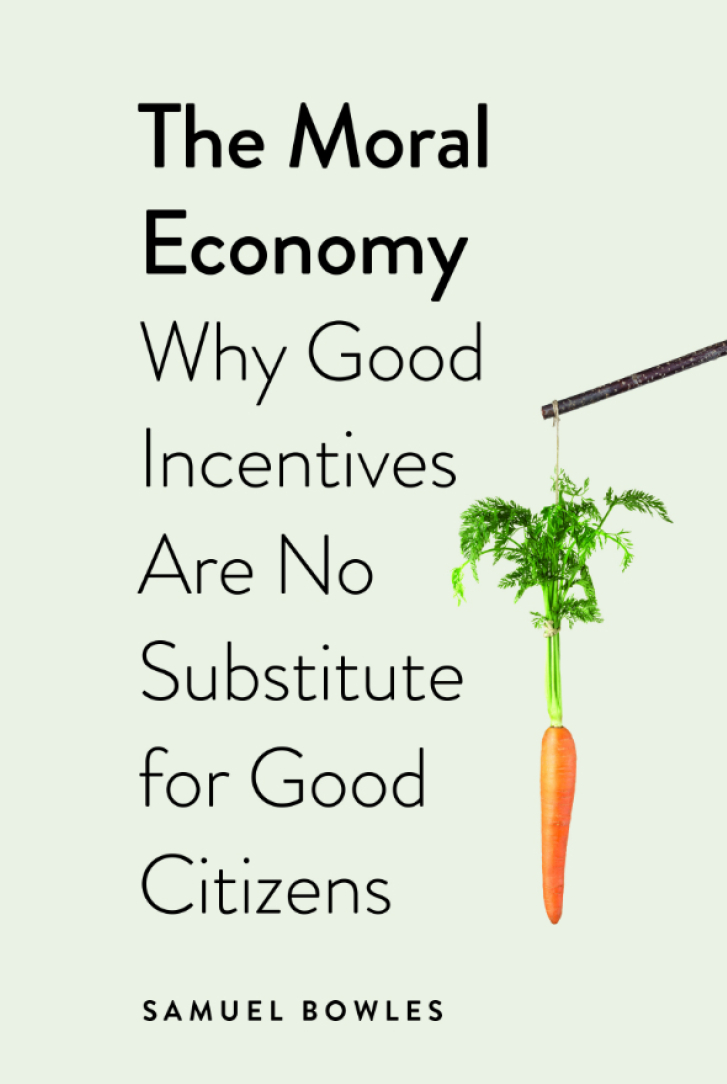
When we pay people to do things that they know they should be doing as good citizens, they tend to devalue the moral basis for acting that way.
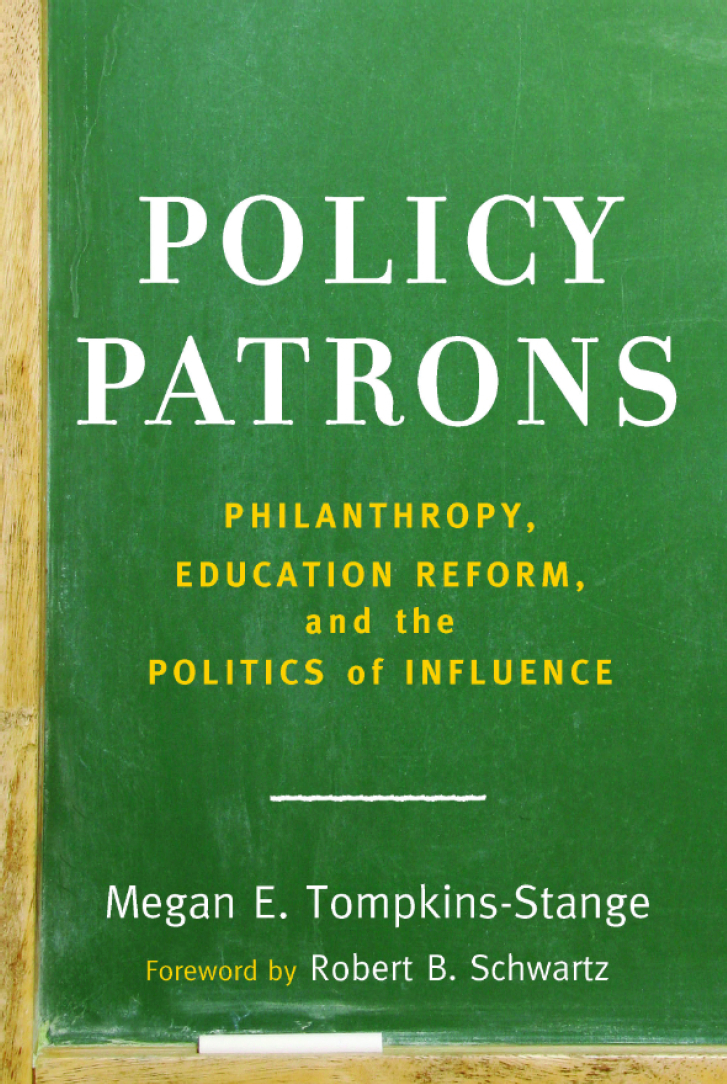
We should be more concerned about foundations’ outsized role in education policy.

How can the public sector create a culture that's friendly to human-centered design?

The social sector must focus on building a rigorous knowledge base that is broad enough to lead to large-scale, breakthrough efforts.
With evidence-based policy, we need to acknowledge that some evidence is more valid than others. Pretending all evidence is equal will only preserve the status quo.

A public revolving fund could enable the benefits of pay-for-success while overcoming traditional concerns of privatization and scaling.