


sponsored
Mapping the Landscape of AI-Powered Nonprofits
Understanding how nonprofits are leveraging AI will help other social entrepreneurs and funders see—and get inspired by—the vast possibilities in applying AI for social good.
Innovations in health care policies and programs (more)

Understanding how nonprofits are leveraging AI will help other social entrepreneurs and funders see—and get inspired by—the vast possibilities in applying AI for social good.
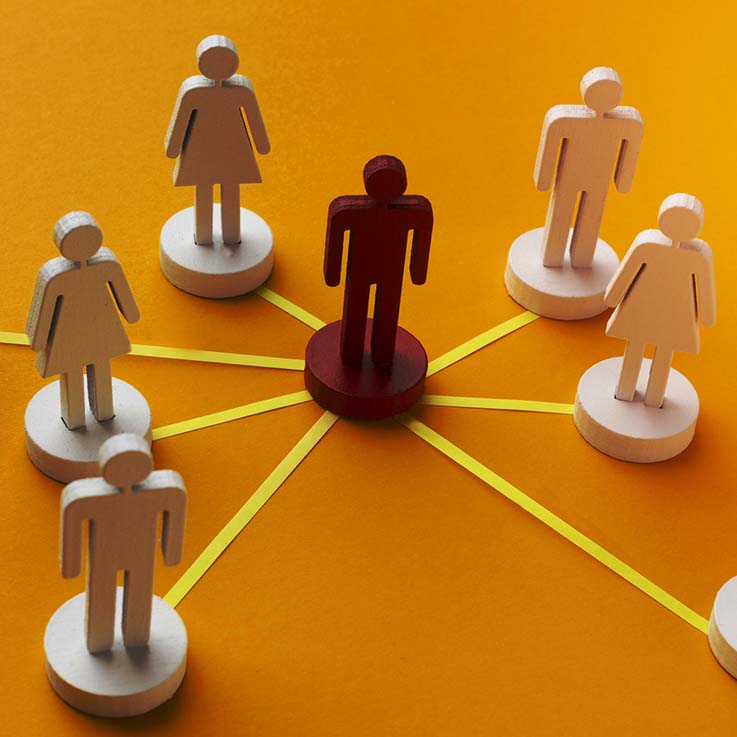
How can organizations quantify the impact of the train-the-trainers model? A pioneering new study from a health-care nonprofit offers a template.
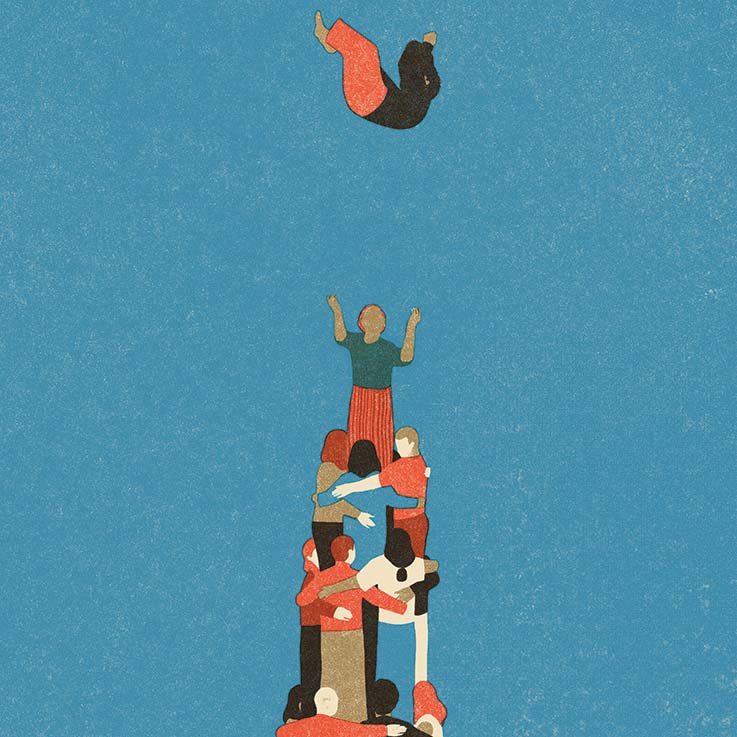
For the past two decades, the Jed Foundation has led the fight to address the mental health crisis among American youth. Its story highlights the importance of addressing the cultural causes of the mental health crisis through systems change. | Open access to this article is made possible by the Jed Foundation

A small foundation that eschews perpetuity in favor of maximizing social impact can continue to sustain and scale long after its doors close. | Open access to this article is made possible by the Linked Foundation.
Private companies and public institutions struggle to get as much done together as private companies working together in groups.
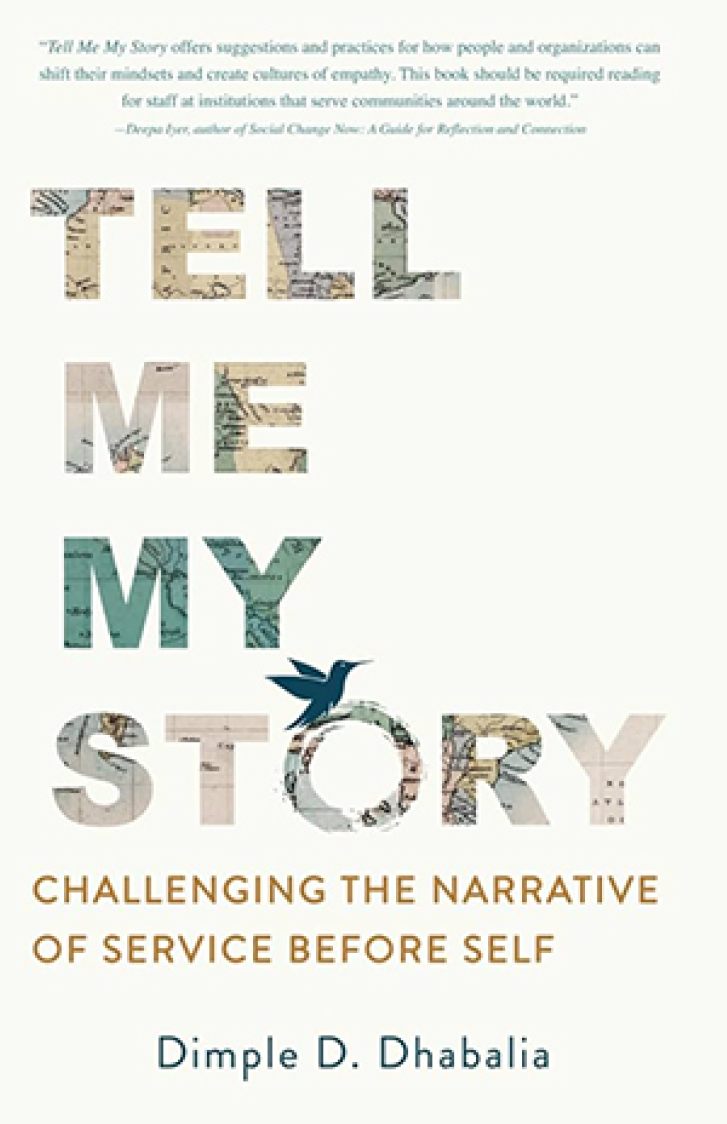
An excerpt from Tell Me My Story on mission-driven workplace cultures that help people heal, serve, and grow
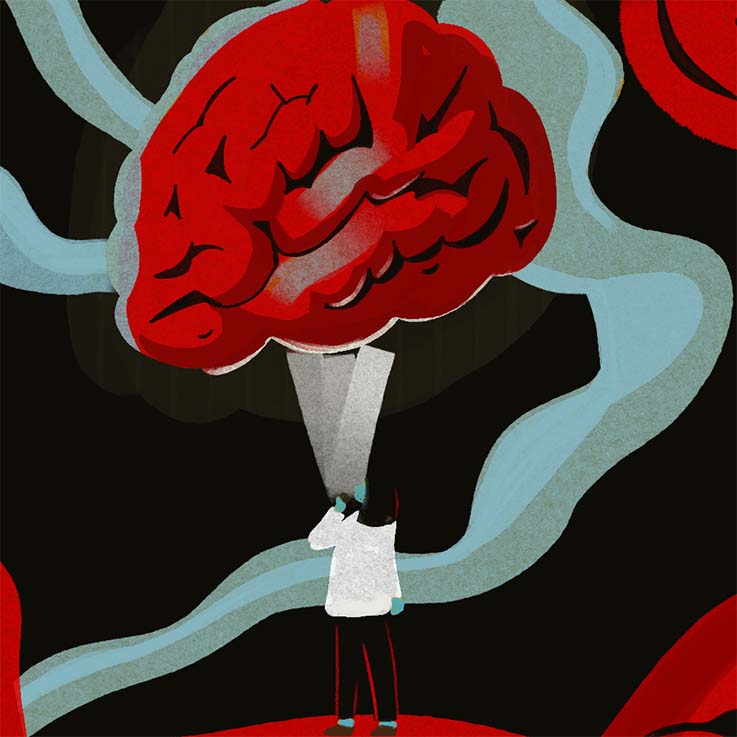
Why vast numbers of young Koreans are experiencing extreme social withdrawal, and how to help them re-engage with society.
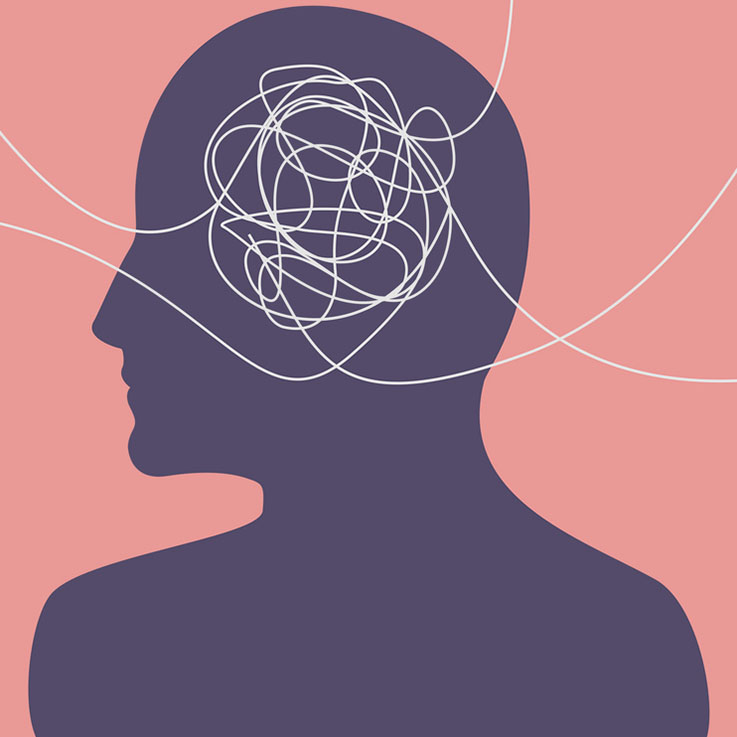
There are exciting possibilities, but we are also facing a deafening cacophony of scientific communication, and much of it will not be positive.

As the world of work is reshaped by AI, there are opportunities within the critical, fast-growing care sector to enable and support a workforce facing acute shortages.
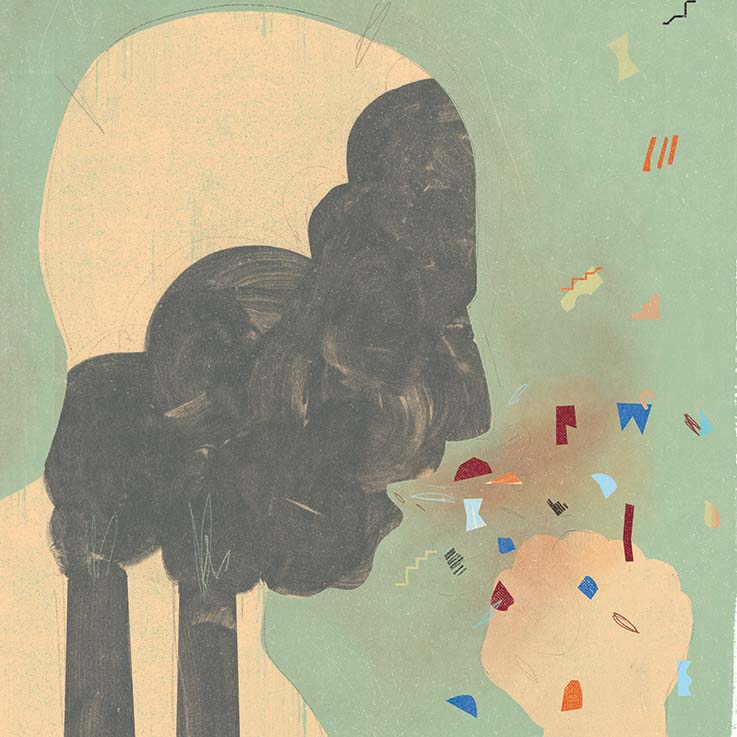
At Health Care Without Harm, we have worked with partners around the world to launch a global movement to get the health-care sector to zero emissions. Our experience provides lessons for forging global change to reverse the climate crisis.