


sponsored
Realizing Democracy
As long as it is more profitable to rig the rules than play by them, our better angels are unlikely to thrive. Part of the Winter 2020 issue's Realizing Democracy supplement funded by the Ford Foundation.
Innovative policies and programs that advance the rights of individuals and communities (more)

As long as it is more profitable to rig the rules than play by them, our better angels are unlikely to thrive. Part of the Winter 2020 issue's Realizing Democracy supplement funded by the Ford Foundation.

It is often tempting to try to solve problems by looking for policy fixes, new technologies, and informational solutions, instead of addressing underlying power dynamics.
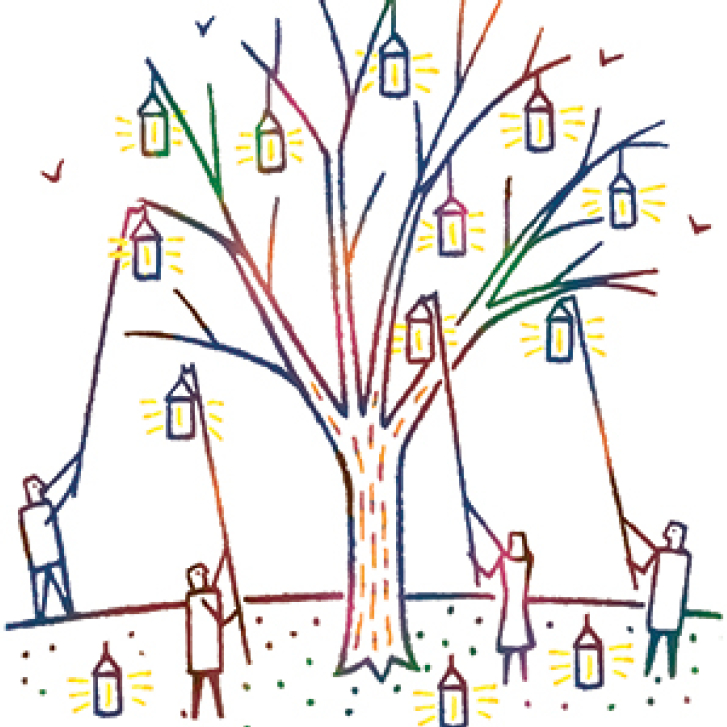
To grow the workforce that will advance the United Nations’ Sustainable Development Goals, foundations ought to bring back approaches they relied on decades ago. A Viewpoint from the Winter 2020 issue.
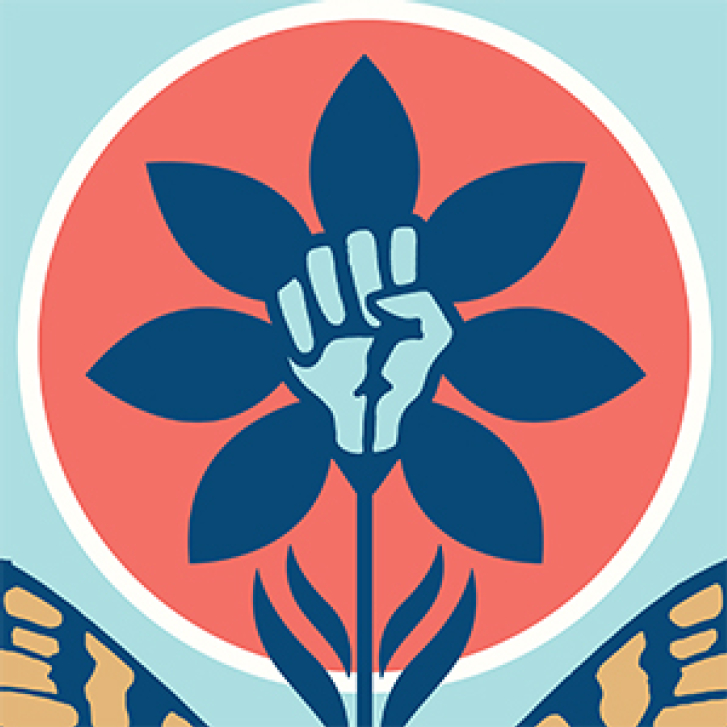
To rebalance our democracy and economy, a real system of economic checks and balances must exist to ensure that working people have power in their workplaces. Part of the Winter 2020 issue's Realizing Democracy supplement funded by the Ford Foundation.
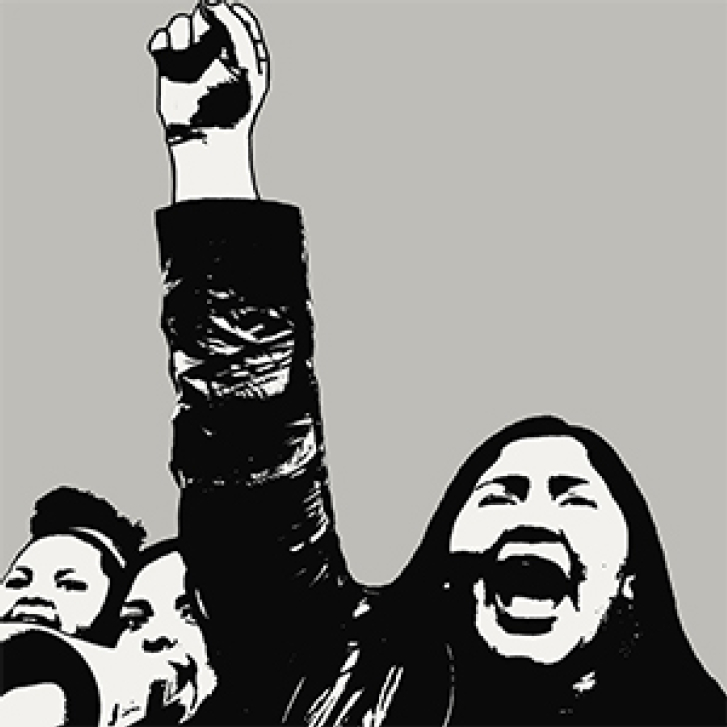
Good strikes force the very consensus building that America needs, and the sooner we reprioritize unions, the sooner we can reclaim democracy. Part of the Winter 2020 issue's Realizing Democracy supplement funded by the Ford Foundation.

When corporate engagement with governments serves narrow interests and money is critical for campaigns and influence, the system causes “corruptive dependencies,” exacerbates inequality, and leads to the perception that our “captured economy” is rigged and unjust. Part of the Winter 2020 issue's Realizing Democracy supplement funded by the Ford Foundation.

Three takeaways to establish the structural and institutional guardrails necessary to creating a serious, concerted, and holistic effort to address issues of power and inequality across civil society, government, and the economy. Part of the Winter 2020 issue's Realizing Democracy supplement funded by the Ford Foundation.
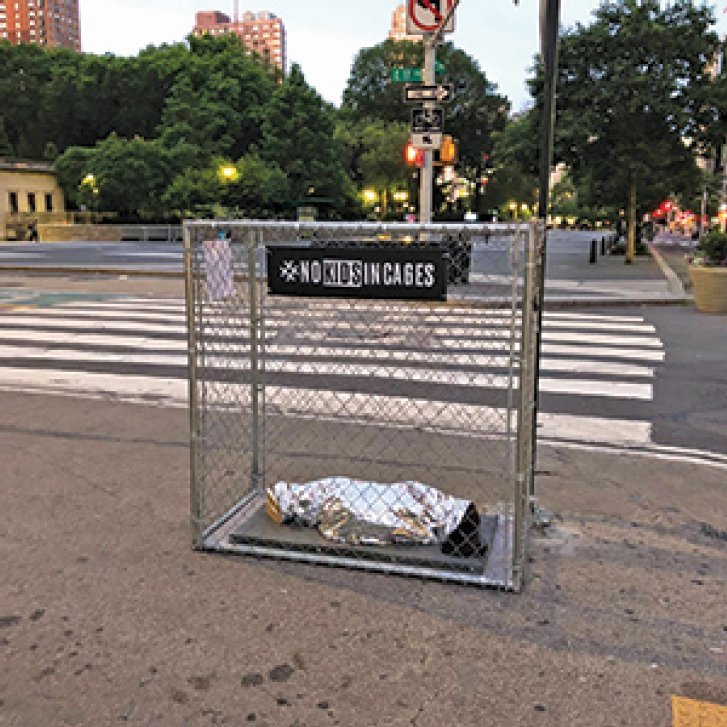
By the end of August, the United States Border Patrol had detained more than 800,000 individuals, including more than 70,000 unaccompanied children.

Four strategies for creating a positive school culture that focuses on the whole student and fosters long-term, holistic well-being.

How organizations can create a culture that supports innovation, regardless of their size or complexity. The fourth of five articles in Humanitarian Innovation in Action, a series on innovation as a tool for change within complex institutions.