
Becoming a Woman
A growing number of Maasai in Kenya are ending female circumcision and replacing it with other coming-of-age rituals.
Innovative policies and programs that advance the rights of people and communities (more)
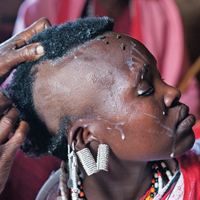
A growing number of Maasai in Kenya are ending female circumcision and replacing it with other coming-of-age rituals.
A new report underscores the need for education nonprofits to move from collective good intention to action in building diverse leadership.

A look at how Freedom to Marry used communications to make the “impossible” ... “inevitable”
What the US government and funders are doing about unaccompanied child migration, and where we need to look next.

After experience in Iraq as a part of the Marine Corps, Jake returned to business school and took on the challenge to alleviate extreme poverty. From this effort, Nuru was launched in 2008.
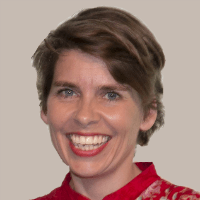
Liesolette Heederick tells us about Nazava Water Filters, winner of Tech Awards 2013 in the Health category for its innovative solution to lack of clean water accessibility in Indonesia.
Kreger describes how Potential Energy, winner of Tech Awards 2013 in the Economic Empowerment category, innovatively tackles social issues as a nonprofit venture.
A new effort to eradicate slavery is showing success—and may provide a model for other complex human rights and social justice issues.
Women’s empowerment issues took center stage at this year’s CGI and Social Good Summit, giving new momentum to causes helping women and girls.

Investing with a gender lens creates financial returns and improves the lives of women and girls and their communities.