
Ten Reasons Not to Measure Impact—and What to Do Instead
Impact evaluations are an important tool for learning about effective solutions to social problems, but they are a good investment only in the right circumstances.
New ways to measure and evaluate the impact an organization’s work has on society (more)

Impact evaluations are an important tool for learning about effective solutions to social problems, but they are a good investment only in the right circumstances.
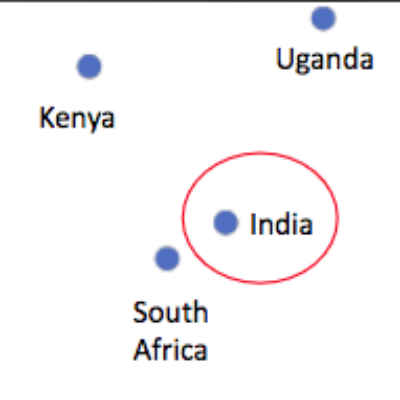
Parents in emerging economies seem happy with schools that don’t teach their kids very much. The lack of demand for good quality education could be one of the biggest barriers to solving the education crisis.
To curb rising inequality, global leaders must work together to stop the flow of illicit wealth and mitigate tax avoidance.

How private data sources, when leveraged responsibly and collaboratively, can provide insights for addressing the challenges and opportunities of migration.

Stanford’s Kathleen Kelly Janus provides insight into how the best nonprofits succeed and scale through a data-driven culture.

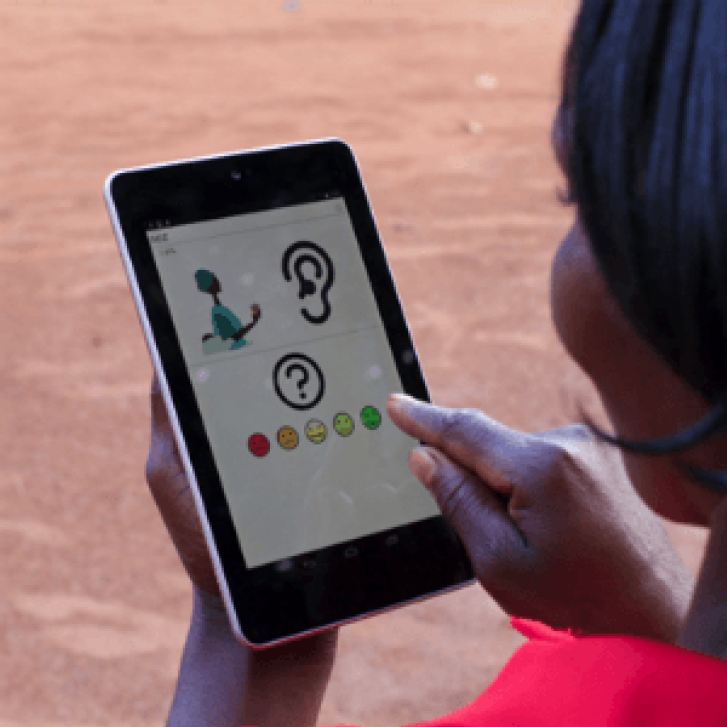
A new approach to measurement has the potential to surface quicker, cheaper, better data about notoriously hard-to-measure social change.

The ability of teachers to improve students’ non-cognitive abilities may have greater importance than test scores.
Philanthropists need to acknowledge the challenges nonprofits face in reporting succinct and compelling outcomes, and to avoid celebrating simplistic claims.
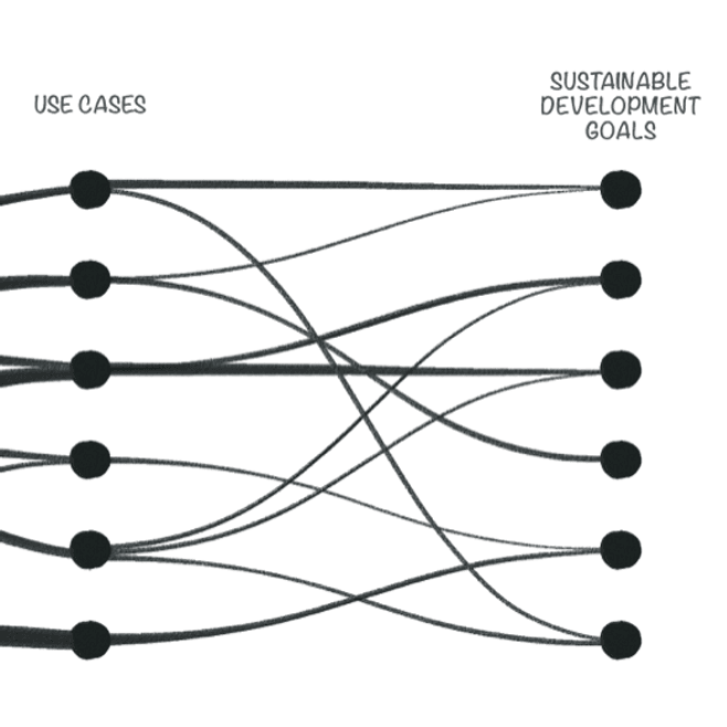
Affordable, accessible financial products and services like mobile money are becoming more prevalent in the developing world, but are they improving the lives of the poor?