
If a Report Is Published and No One Reads It, Did It Really Happen?
Investing in smart communications can help ensure that valuable research gets read and put to use in solving global development challenges.
New ways to measure and evaluate the impact an organization’s work has on society (more)
Investing in smart communications can help ensure that valuable research gets read and put to use in solving global development challenges.

What is the difference between communities that are able to recover from disinvestment and those that cannot? The answer, according to recent research from MDRC, are the presence of strong social networks.

New developments from the disciplines of innovation, data science, and implementation management are teaching us that good strategy isn’t just about setting your destination and path, it’s also about how you execute and adjust over time.

Impact evaluations are an important tool for learning about effective solutions to social problems, but they are a good investment only in the right circumstances.
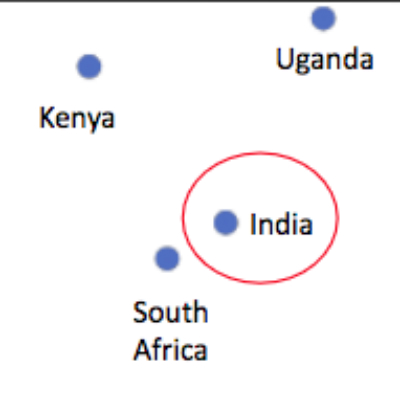
Parents in emerging economies seem happy with schools that don’t teach their kids very much. The lack of demand for good quality education could be one of the biggest barriers to solving the education crisis.
To curb rising inequality, global leaders must work together to stop the flow of illicit wealth and mitigate tax avoidance.

How private data sources, when leveraged responsibly and collaboratively, can provide insights for addressing the challenges and opportunities of migration.

Stanford’s Kathleen Kelly Janus provides insight into how the best nonprofits succeed and scale through a data-driven culture.

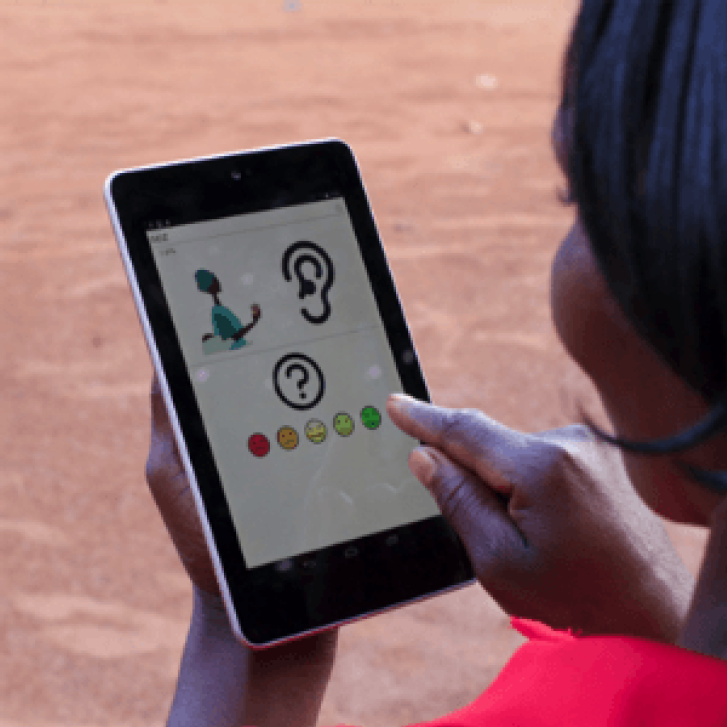
A new approach to measurement has the potential to surface quicker, cheaper, better data about notoriously hard-to-measure social change.