Filling Essential Gaps in Nonprofit Leadership
New research shows that most nonprofits fall short in important areas of performance. But stakeholders who operate at a systems level can do a lot to help solve this problem.
New ways to measure and evaluate the impact an organization’s work has on society (more)

New research shows that most nonprofits fall short in important areas of performance. But stakeholders who operate at a systems level can do a lot to help solve this problem.

Three common ways the pay gap is measured, what leading companies are doing about it, and the best strategies to consider today.

Why nonprofits need to evaluate the ethics of their algorithms.

Is it possible to use data to make predictions without enforcing existing biases?

A new approach to scaling is needed in which the goal is scaling up social impact for public good. Open access to this article is made possible by the International Development Research Centre (IDRC).

The National Arts Index established a quantitative measure for arts vitality in the United States that aided public discussion by policy makers and the arts community. In the era of big data, what can we learn from its creation and impact?
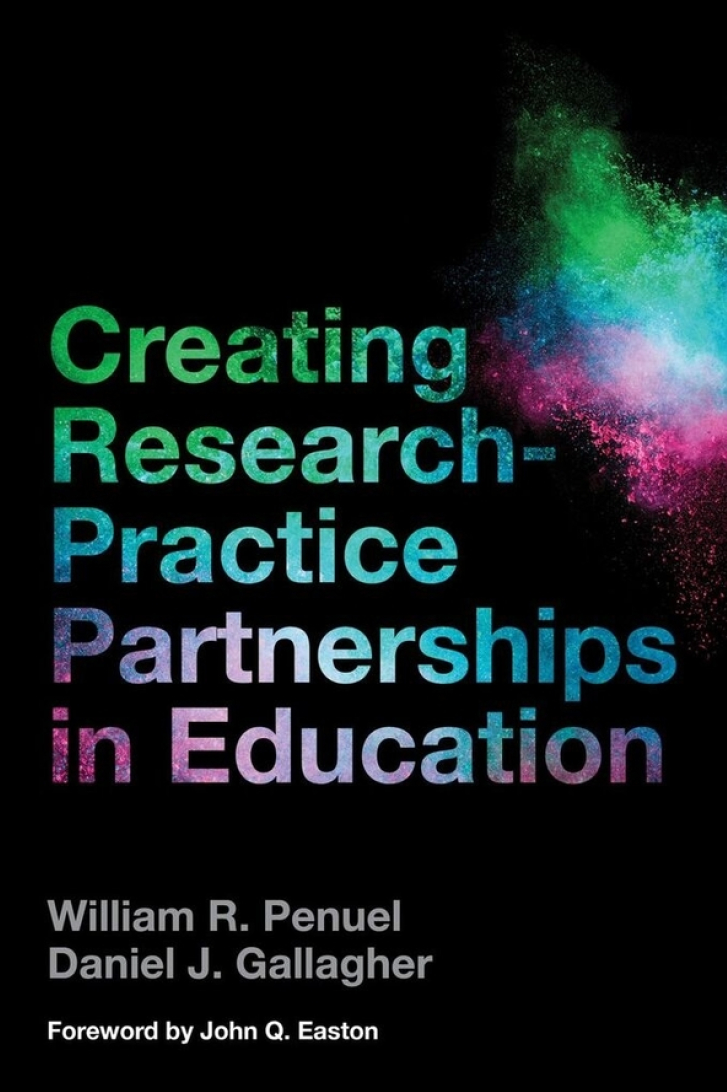
Experienced educators provide guidance for those wishing to create and maintain effective partnerships between researchers and educators.

Investors looking for data on social impact should start by helping investees deliver a compelling value proposition.

It’s time for nonprofits to recognize that diverse groups are more innovative and better performing, and to apply that insight to their organizations’ governing bodies.