


At the Intersection
Two excerpts from the edited collection, The Intersector, on building public trust through cross-sector collaboration between the public, nonprofit, and private sectors.
Innovative ideas to help leaders of nonprofits and nongovernmental organizations work more effectively (more)
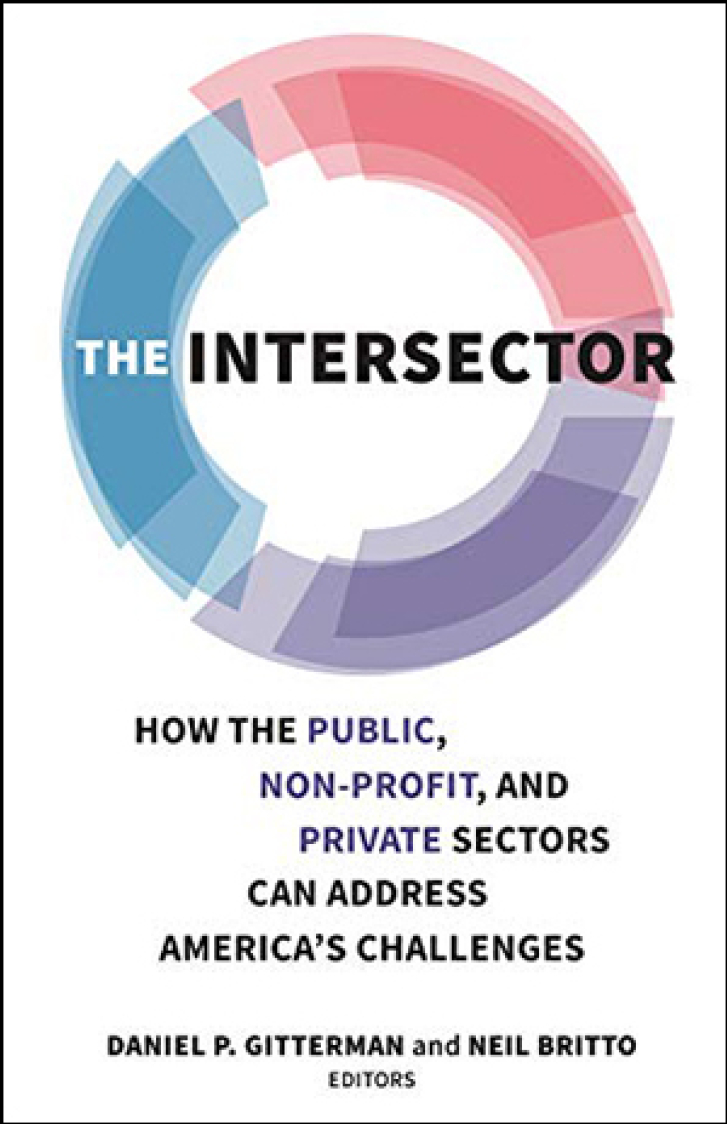
Two excerpts from the edited collection, The Intersector, on building public trust through cross-sector collaboration between the public, nonprofit, and private sectors.

Behavioral economics research shows how small nudges can make a big difference to end-of-year fundraising results.

A decade of applying the collective impact approach to address social problems has taught us that equity is central to the work.
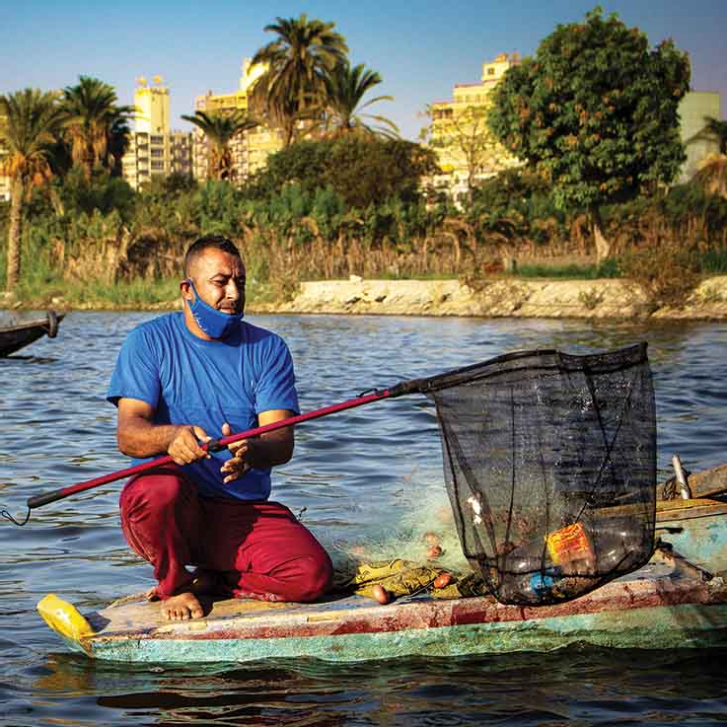
With the dual goal of protecting the vital waterway and supporting communities that depend on it, the Cairo-based, youth-led organization VeryNile is partnering with local fishers and crafters to collect, recycle, and upcycle plastic waste.
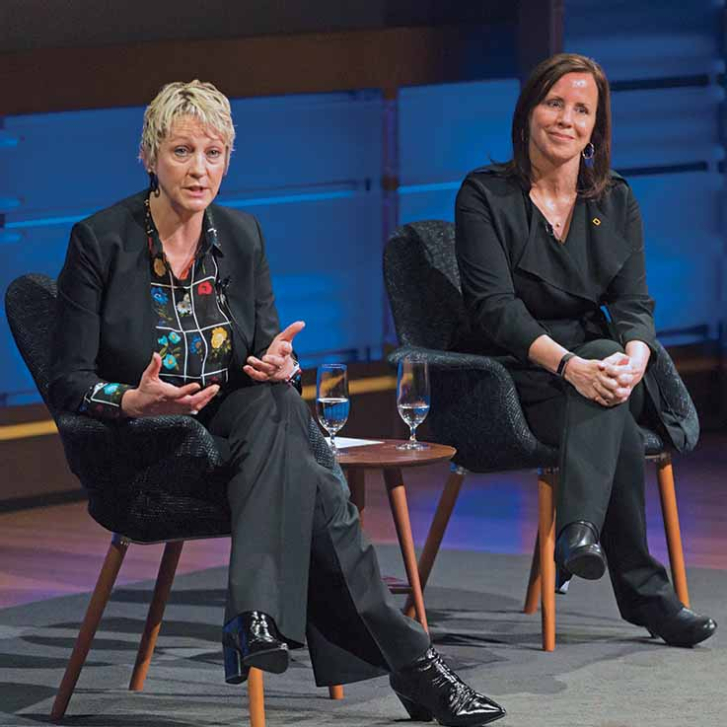
The National Geographic Society began as a Victorian-era institution of white gentlemen explorers dedicated to understanding the globe. To better reflect the world and thrive in the 21st century, it has diversified its leadership, transformed its internal culture, and created a media juggernaut.
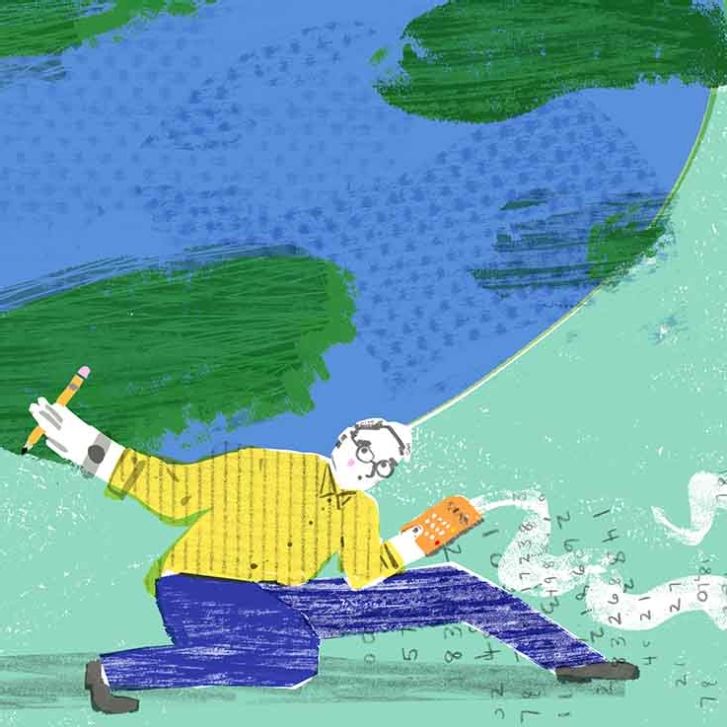
A collection of standout pieces published online about impact accounting, intersectional storytelling, NGO endgames, universal basic income in South Korea, and a social enterprise supporting coffee growers in Central America.
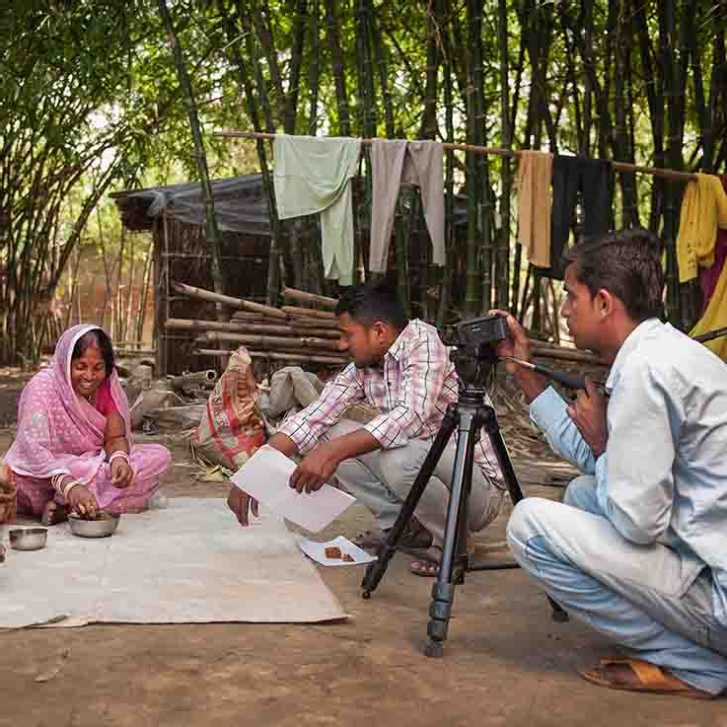
How small and medium NGOs and social enterprises can help the public sector successfully adopt and scale their innovations.
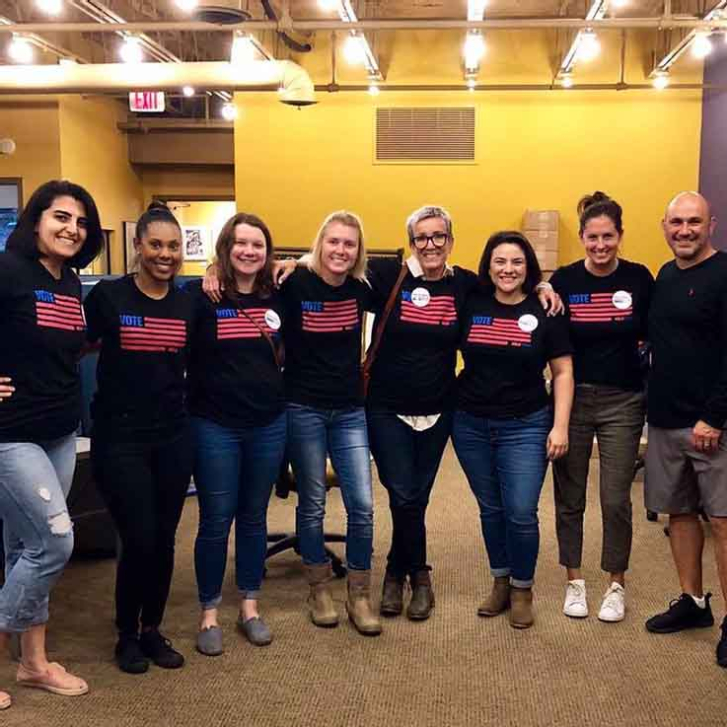
In the midst of an ongoing assault on civil rights, the ACLU’s Strategic Affiliate Initiative is helping a century-old organization grow to meet the moment.
Participants at this year’s NMI heard from nonprofit and business executives, noted academics, and prominent public-sector leaders about building a healthier future by creating personal, organizational, and societal well-being.

Telling diverse and inclusive stories for social change that center marginalized communities and build understanding requires that we show the complex ways communities experience systems of inequality.