


Opening Up Educational Opportunities Through Network Leadership
How a network mindset can break down silos between public agencies and nonprofits to successfully promote equitable and accessible education.
Innovative ideas to help leaders of nonprofits and nongovernmental organizations work more effectively (more)

How a network mindset can break down silos between public agencies and nonprofits to successfully promote equitable and accessible education.
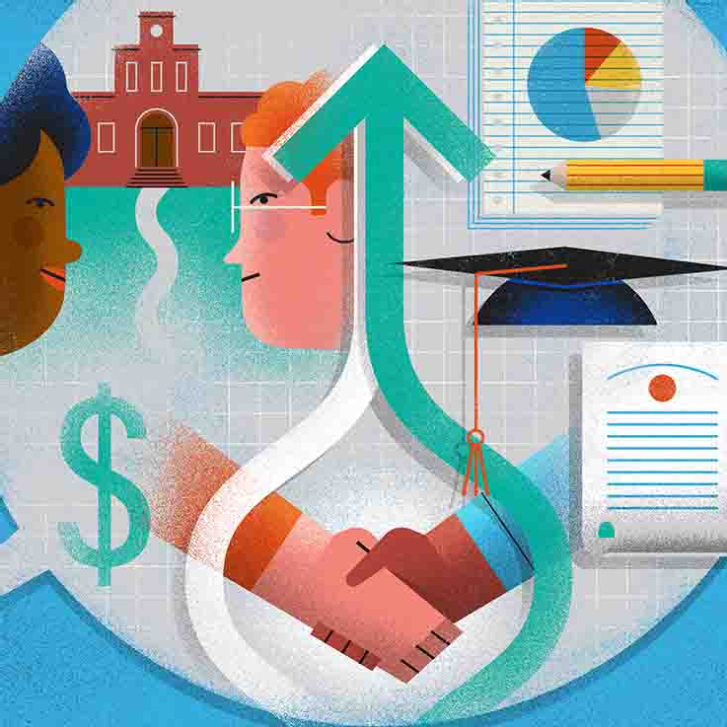
Four leaders of United Ways across the United States discuss shifting their roles from funders to true partners in collective impact efforts.

Years of implementing, studying, and iterating on cash transfer programs have revealed some important lessons about achieving long-term impact.
A collective giving approach to philanthropy, often translated into giving circles, brings people together to focus on community needs and community-driven solutions. This episode of Giving With Impact explores this people-centered approach to philanthropy. A sponsored podcast developed with the support of DAFgiving360.

Highlights from book excerpts published by SSIR online this year on topics including mutualism, grassroots development, breakthrough ideas, racial injustice, and well-being.

Why social impact organizations are acquiring mission-aligned nonprofits.

Eighteen months after an unprecedented movement for racial justice, many organizations are feeling frustration and disappointment. What now?

A look at the worst practices in using the collective impact approach for social change and lessons on how to avoid them.
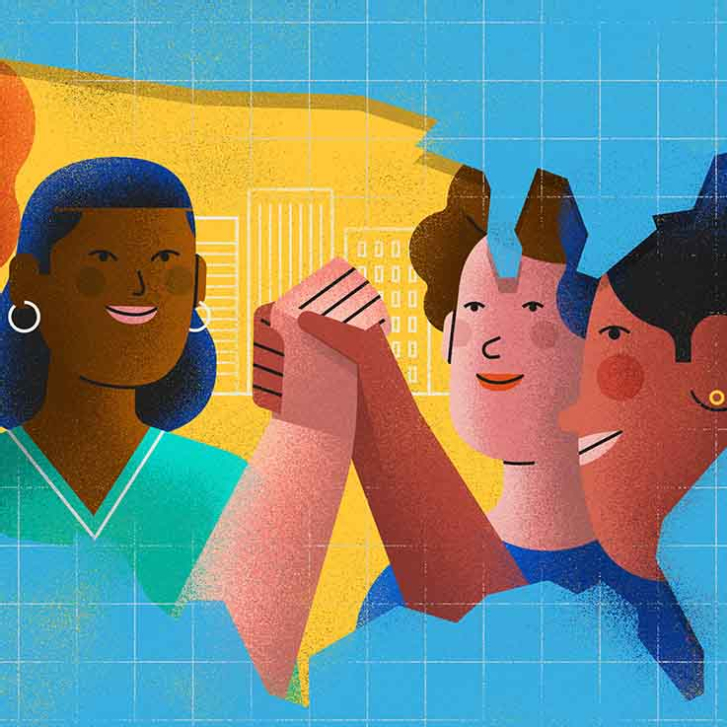
Four nonprofit leaders discuss their experiences using collective impact for collaborative, place-based change, including their views on the role of data and philanthropy, and what lies ahead for this field of work.
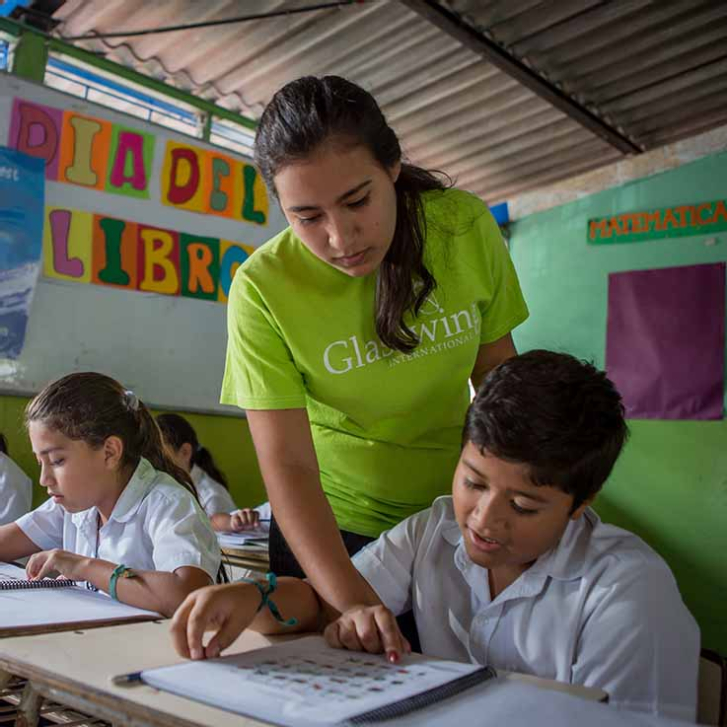
Glasswing International teaches Latin American communities to understand and recover from the impacts of trauma induced by chronic and acute violence.