


Household Generosity During the Pandemic
Social and behavioral sciences can help us understand why COVID-19 is making giving practices more localized and expansive.
Innovative ideas to help leaders of nonprofits and nongovernmental organizations work more effectively (more)
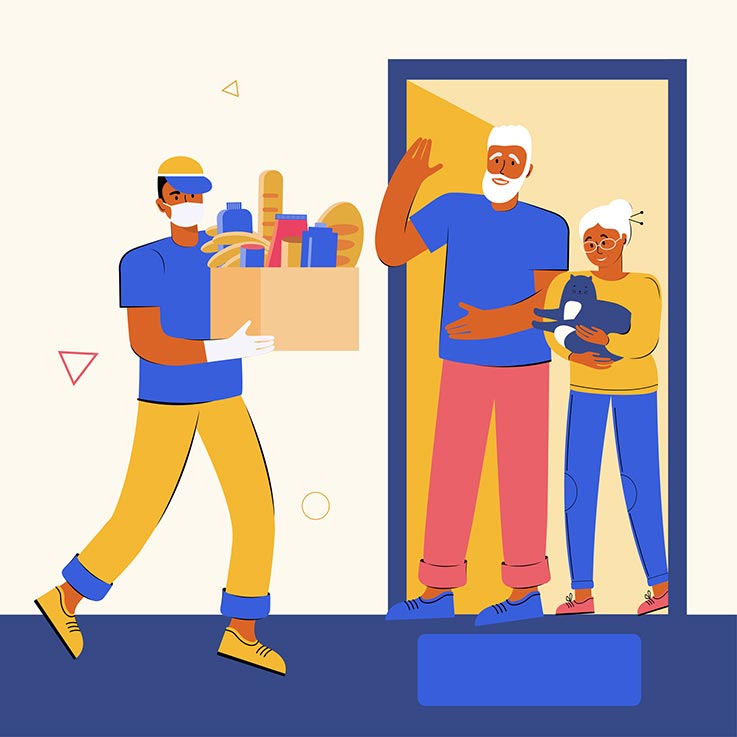
Social and behavioral sciences can help us understand why COVID-19 is making giving practices more localized and expansive.
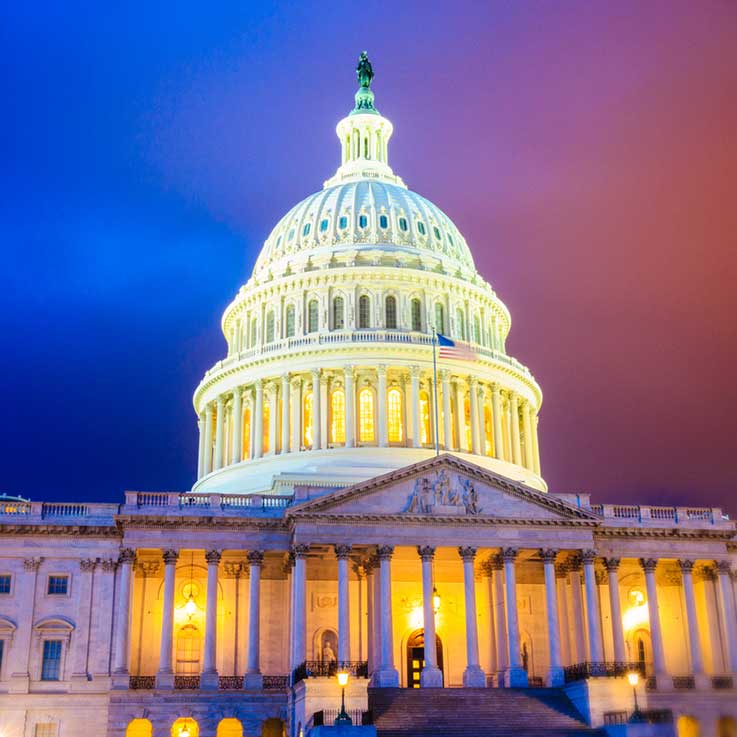
After pro-Trump supporters stormed the US Capitol, how will the United States address many of the issues that underlie the chaos, particularly extreme polarization? This roundup of articles explores ways to take on the unprecedented divides in America.
There is no one right answer to the question whether to pay out more during a financial crisis, which depends on balancing the needs of present and future beneficiaries and so varies depending on a funders’ goals and objectives. This is the keystone article for the Up for Debate series on foundations' payouts during big crises. Visit the series page for responses to this essay.
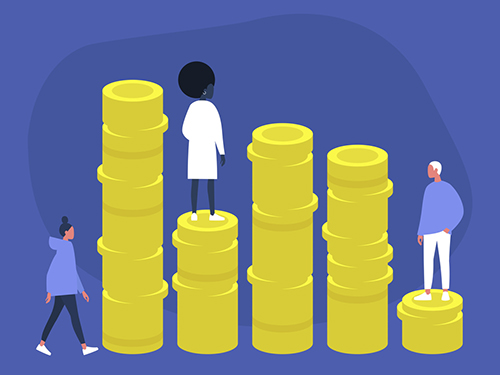
The onset of COVID-19 has amplified discussions about philanthropic spending during an economic downturn, with some observers saying that a big crisis like the pandemic should compel funders to not just maintain their outlays, but to disburse more. Should they?

Highlights of this year’s book reviews and excerpts on topics including nonprofit management, the future of capitalism, technology trends in social movements, and the rich history of Black philanthropy.
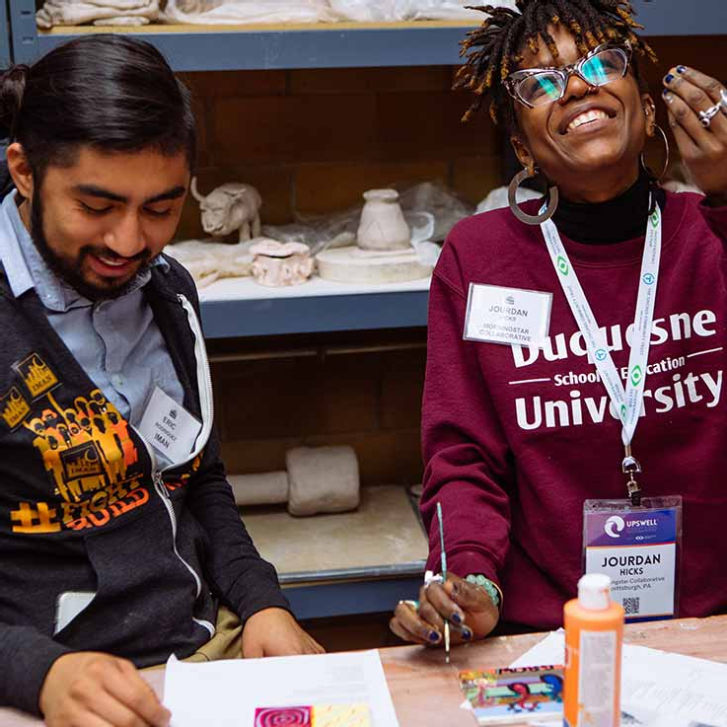
How nonprofits can continue building trust and participation in US elections by working with people on issues they care about.

A collection of SSIR articles about collective impact to mark the publication of a seminal article on the practice a decade ago.
Not only do Black-led nonprofits need lasting and long-term support, but philanthropy needs to wrestle with its past failures to invest in the very communities we claim to be working for.
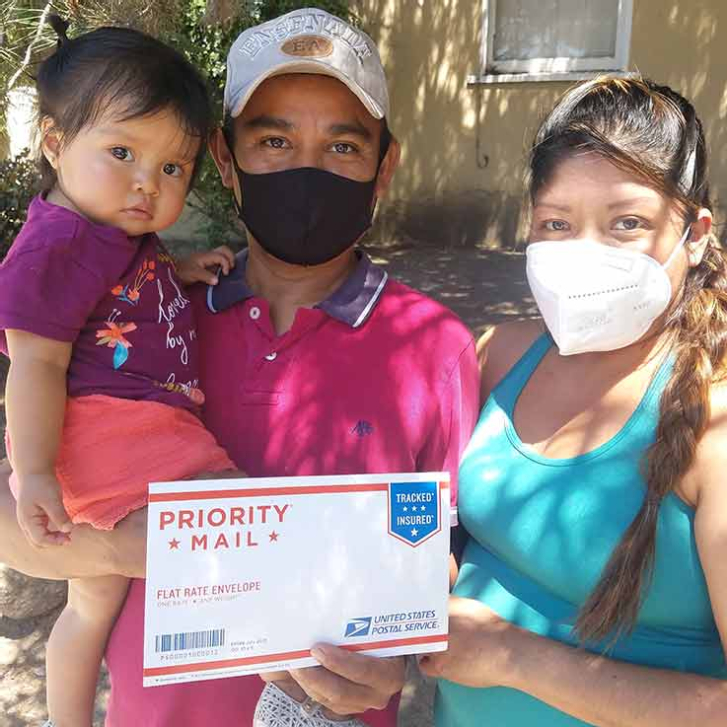
How governments can partner with philanthropy, nonprofits, and businesses to magnify their social impact over the next four years.