


Governing in Partnership
How governments can partner with philanthropy, nonprofits, and businesses to magnify their social impact over the next four years.
Innovative ideas to help leaders of nonprofits and nongovernmental organizations work more effectively (more)
How governments can partner with philanthropy, nonprofits, and businesses to magnify their social impact over the next four years.

How civil society responses to COVID-19 in South Africa are resisting the all-too-common return to pre-crisis “normal.”

As climate change creates new ambiguity problems for farmers, communities need to better understand and assess their own environments.

As charitable organizations prepare for donor outreach at the end of a chaotic year marked by COVID-19, a volatile US election, and marches for racial justice, here are 12 articles to help them make the most of their efforts.

Why social innovation education programs need to develop students’ inner well-being alongside their knowledge of the field, and five principles to help lead the way.

To address more complex social challenges, design thinking must become radically more collaborative and oriented toward systems change.

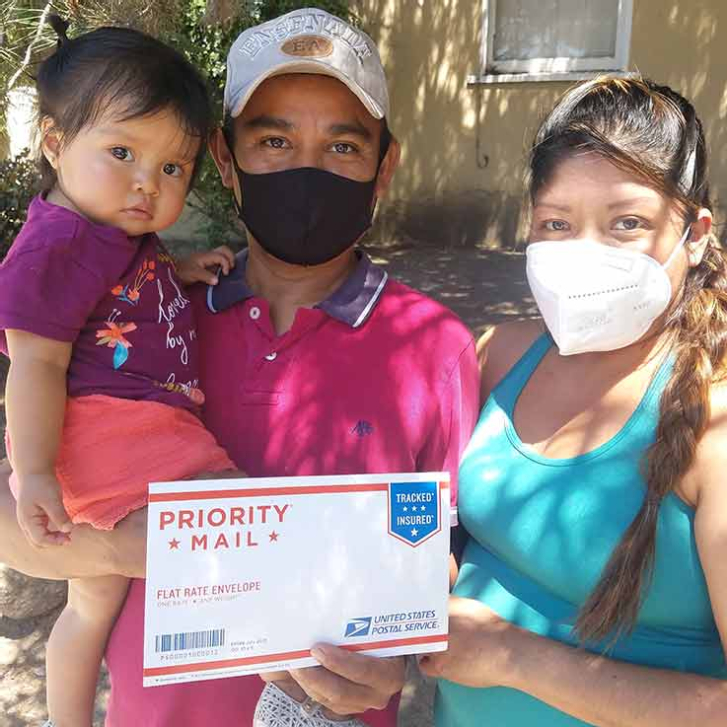
Project ECHO developed a revolutionary model for helping doctors and clinicians in New Mexico to treat hepatitis C. It spread around the world to address numerous chronic diseases. With the COVID-19 pandemic, it found its moment.

Lessons learned when PIVOT shifted its center of gravity from the United States to Madagascar by letting go of the majority of its US-based team.

Links to all of SSIR's online-only articles published the past three months, with editors' notes about standout pieces on menstrual health, virtual events, and the downside to an overly positive organizational culture.

A call for organizations to mitigate the risk of change in the social media landscape by strategically decoupling themselves from platforms that are causing harm.