
Collaboration
Start with a Shared Vision
True grantee-funder partnerships are based on a shared vision of the future. Creating a strategy to achieve that vision requires listening and clearly defining roles.
Innovative ideas to help leaders of nonprofits and nongovernmental organizations work more effectively (more)
True grantee-funder partnerships are based on a shared vision of the future. Creating a strategy to achieve that vision requires listening and clearly defining roles.
It’s critical to test different approaches to grantee inclusion and to incorporate new learning along the way.

Three practices successful social sector partnerships can adopt to improve their alignment and generate better results.
How the private sector, governments, and others can use impact investing to better support sustainable social change in humanitarian emergencies.

Meeting today’s growing conservation challenges requires that we find new ways of thinking about and practicing conservation, rooted in solving social problems through scalable methods and prototypes that deliver results.

How can a nonprofit with limited time and money maximize its chances of success? A talk from our 2015 Nonprofit Management Institute.
Innovation is an important tool to create social change, one that can be learned and mastered.
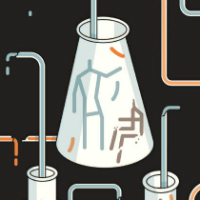
Organizations often stumble when it comes to turning innovation into impact. Here’s a guide to diagnosing and preventing several “pathologies” that underlie this failure.

Philanthropists should create collaborative relationships with grantees that cultivate critical thinking, learning, and adaptation.
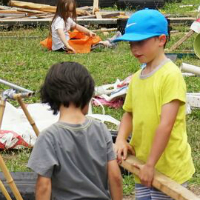
A New York City nonprofit aims to re-engage kids with creative, risky outdoor activities.