


How a Nonprofit Raised Growth Capital From Public Markets
Lessons TechSoup learned from engaging stakeholders as impact investors to support their long-term growth.
New and innovative ideas to help nonprofit leaders raise money, and to help funders and donors give more effectively (more)
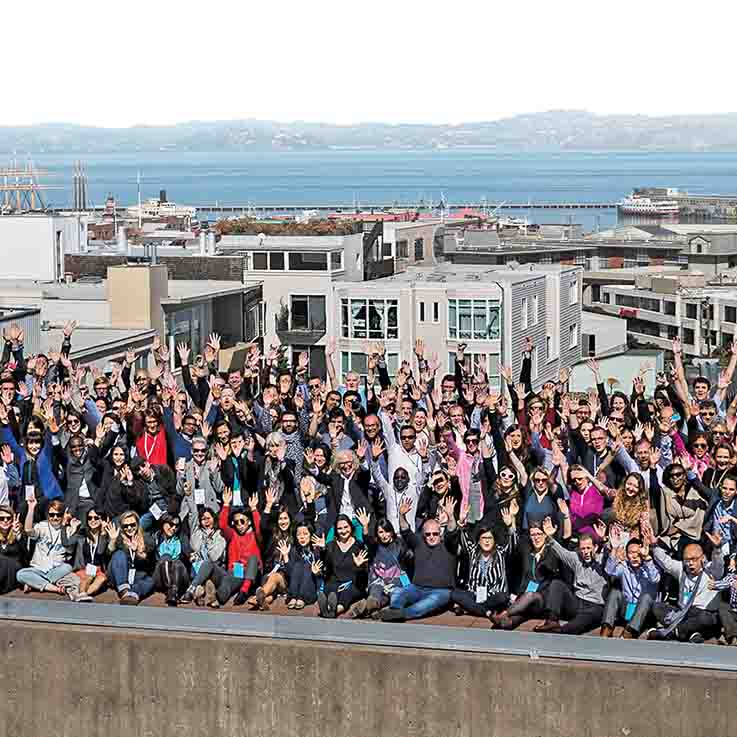
Lessons TechSoup learned from engaging stakeholders as impact investors to support their long-term growth.
When it comes to donations, people tend to reach for their credit card or checkbook first. However, donating non-cash assets, including real estate, cryptocurrency, artworks, or stocks can be a much more efficient way to maximize your impact. This episode explores the advantages of giving non-cash assets to charity. A sponsored podcast developed with the support of DAFgiving360.

In the final episode of this special series, Dr. Rajiv J. Shah, president of the Rockefeller Foundation, and Mark Suzman, CEO of the Bill & Melinda Gates Foundation, share how they’re redefining the role of philanthropy in addressing public health crises and preparing for future pandemics. Produced in partnership with The Pew Charitable Trusts.

Larry Kramer of the William and Flora Hewlett Foundation and La June Montgomery Tabron of the W.K. Kellogg Foundation discuss the origins of wealth inequality and its impact on American democracy. They also share how their institutions are creating new pathways for all communities to access secure and vibrant futures. Produced in partnership with The Pew Charitable Trusts.

How should a nonprofit decide whether to accept or reject a donation from a controversial source? Start by thinking about what the nonprofit gives in return.

Social problems are entrenched in distressed communities. New approaches for uplifting neighborhoods demonstrate the scale and collaboration necessary to offer opportunity to all.

Every.org is turbocharging a new wave of philanthropy by eliminating costly technological barriers for nonprofits.

Through place-based work, we have learned new ways to partner, collect data, and invest to bring systemic change and eliminate structural inequalities in our communities.

Corporate donations tend to generate supportive regulatory comments from their nonprofit recipients.
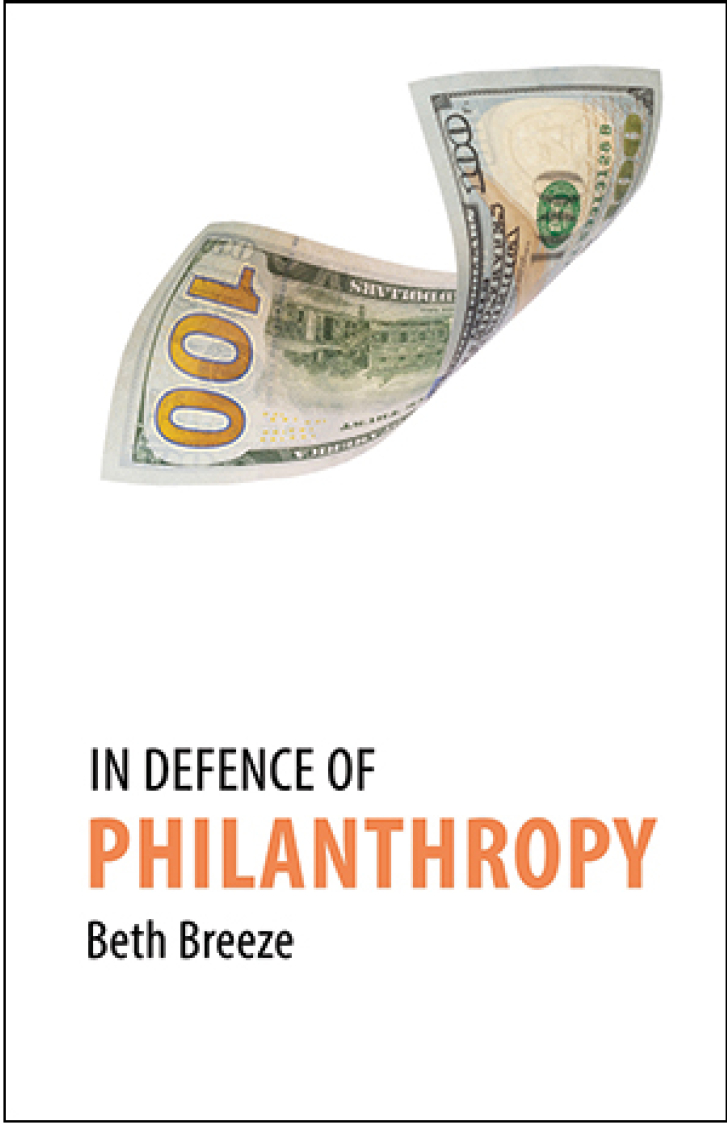
Beth Breeze’s In Defence of Philanthropy offers a passionate rebuttal to criticisms of giving that have dominated public discourse.