


In the Middle With You
An excerpt from Direct: The Rise of the Middleman Economy and the Power of Going to the Source on the failure of peer-to-peer lending.
New and innovative ideas to help nonprofit leaders raise money, and to help funders and donors give more effectively (more)

An excerpt from Direct: The Rise of the Middleman Economy and the Power of Going to the Source on the failure of peer-to-peer lending.
What should investors consider when looking to have a positive impact in the world? SSIR publisher Michael Voss speaks with Juliette Menga of Aetos and Nitin Barve of the Schwab Center for Financial Research about ways investors can achieve social impact without sacrificing their financial goals. A sponsored podcast developed with the support of DAFgiving360.

While committing all new donations to programming may appeal to donors who want to make an impact, nonprofits should think about relevant costs and incremental spending before adopting this one-size-fits-all approach.
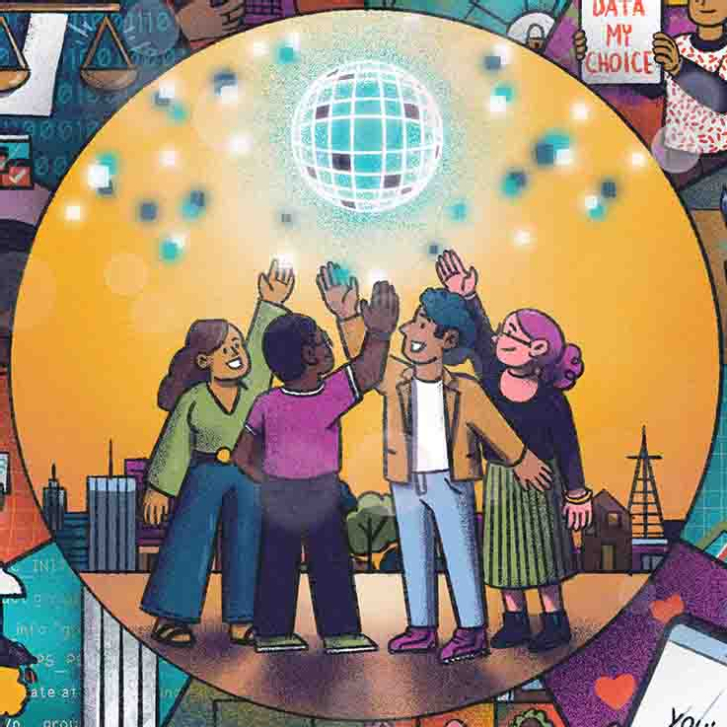
The public is not a monolith—it’s an interdependent ecosystem of communities who must determine the tools for a more caring future.

What, above all else, drives leaders to direct or redirect their lives, to tackle seemingly intractable problems, and to stay true to their values in the face of enormous challenges?

Those who are closest to problems are often the ones with the greatest insights into how to address them. In many ways, that's the ethos of participatory grantmaking, which empowers communities to decide who and what gets funded. SSIR publisher Michael Voss speaks with Maria De La Cruz of Headwaters Foundation for Justice, Irene Wong of The David & Lucile Packard Foundation, and Mary Jovanovich of Schwab Charitable about what this approach looks like in action. A sponsored podcast developed with the support of DAFgiving360.

How the overturning of Roe v. Wade will affect fundraising and strategy for organizations—whether they provide abortion care or not.
An excerpt from The Business of Nonprofit-ing on the revenue of impact.
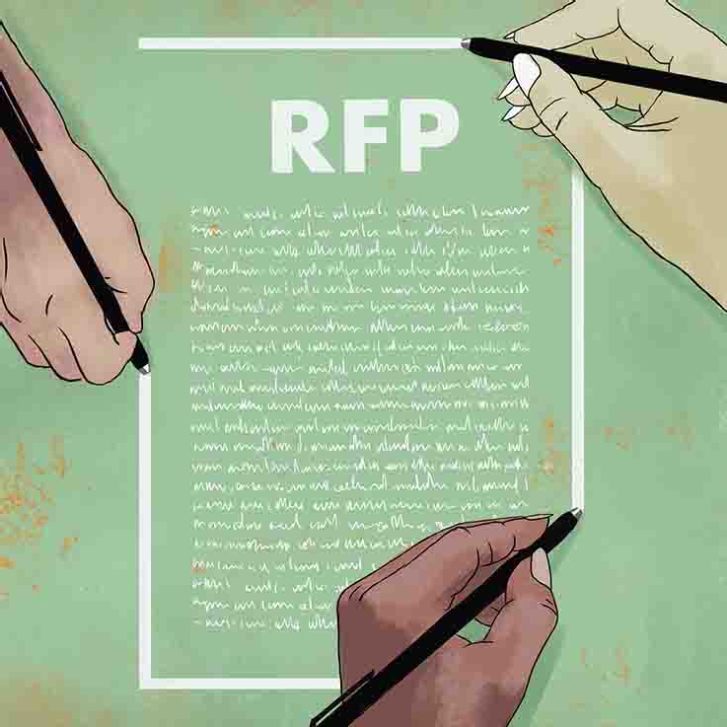
As currently structured, requests for proposal (RFPs) are counterproductive to social change efforts. We must redesign granting systems to empower the communities in which we work.

Tech companies that prioritize the public interest are essential for a more just future, but they need investments at their earliest stages to thrive.