A Rational Gut Check
A Yale psychologist offers a passionate account of the negative effects of passion but ends up with a more temperate conclusion.
New and innovative ideas to help nonprofit leaders raise money, and to help funders and donors give more effectively (more)
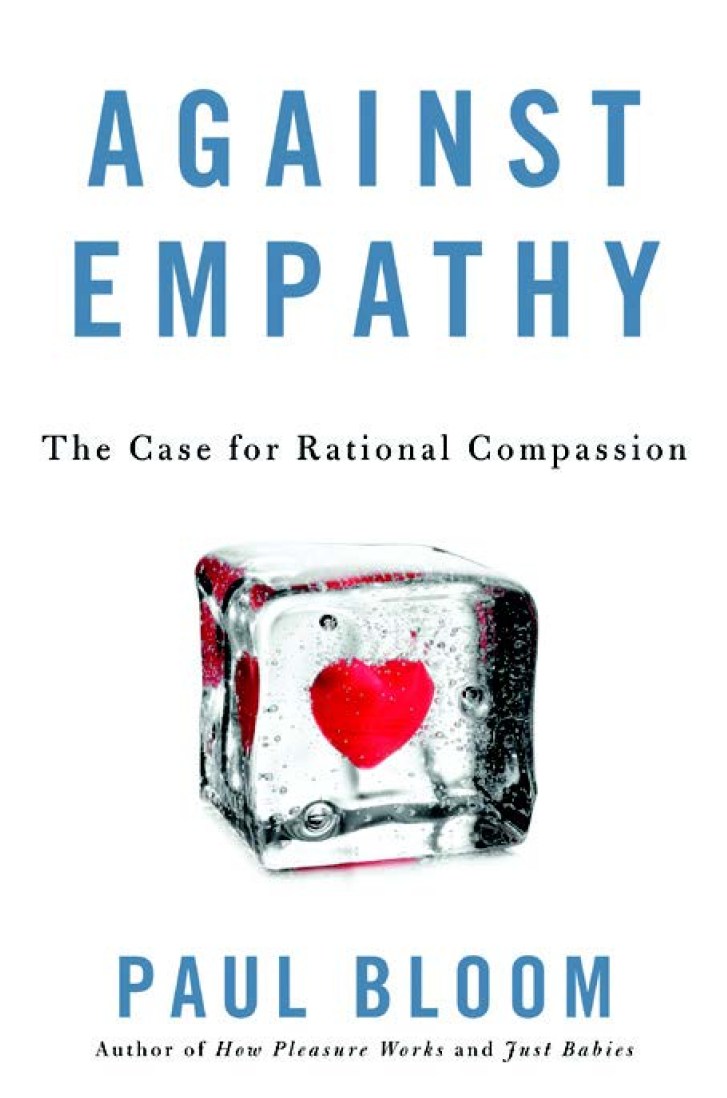
A Yale psychologist offers a passionate account of the negative effects of passion but ends up with a more temperate conclusion.

The effective altruism movement could be more effective if it encouraged adoption of its principles within causes and geographies, not just across them.

Two decades of giving have taught philanthropist Rohini Nilekani the value of pursuing unconventional approaches to tackling social problems.
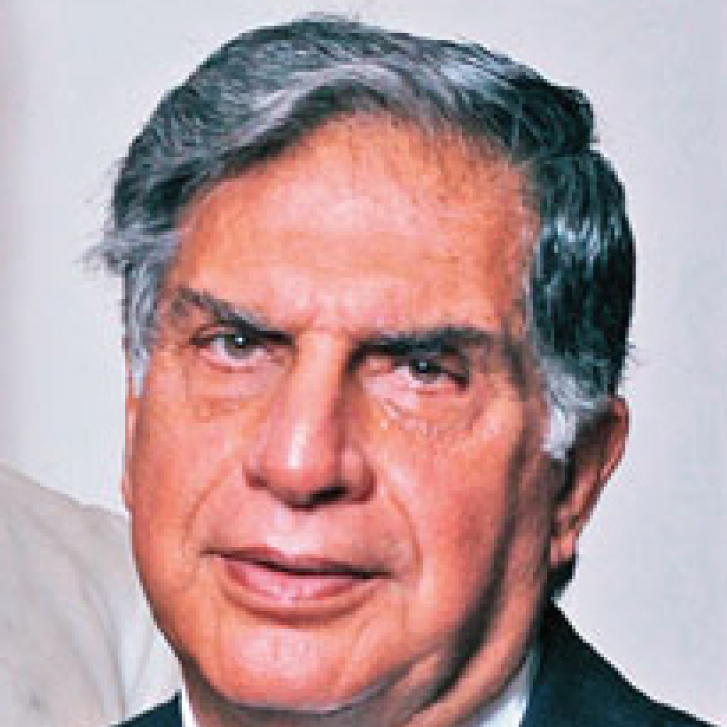
Since becoming chairman of Tata Trusts, Ratan Tata has shifted the trusts’ focus from charitable work to programs that seek to transform lives.
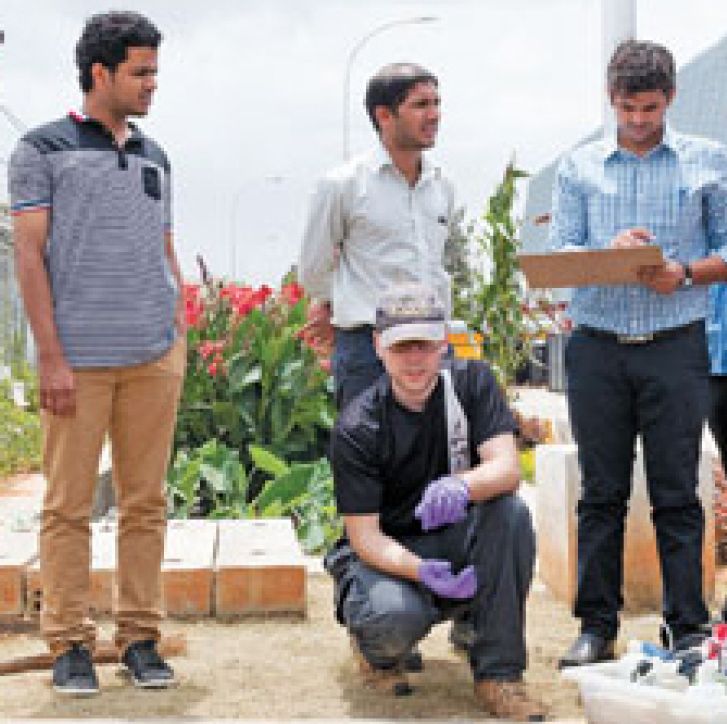
Sewage treatment systems are being built that are simpler and less expensive.

The Aga Khan Development Network is empowering communities.

India provides particularly fertile ground for the gender-lens grantmaking movement.

What makes for an effective impact investing strategy? Michael McCreless of Root Capital, Matt Bannick of Omidyar Network, and Stanford's Paul Brest expand on their articles in SSIR.
We need to double down on the gritty business of impact. Here’s how.
Modified from an excerpt of Philanthropy in Democratic Societies: History, Institutions, Values, edited by Rob Reich, Chiara Cordelli, and Lucy Bernholz.