Strength in Numbers
StrongMinds looks to break the cycle of depression for women in Uganda and beyond.
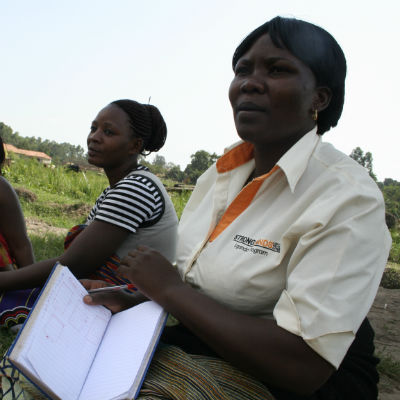
StrongMinds looks to break the cycle of depression for women in Uganda and beyond.

The Urgent Action Fund for Women’s Human Rights has pioneered a rapid response grantmaking model connected to the global grassroots.
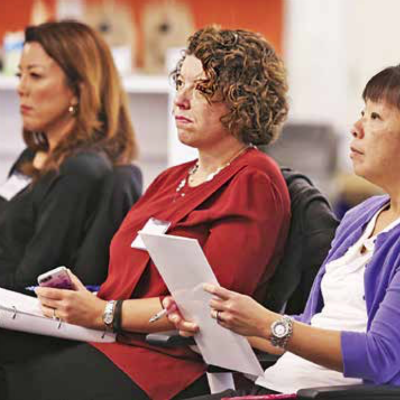
Fund for Shared Insight is pooling the cash and convictions of 13 philanthropies to build the field of end-user feedback. Can its leaders become role models for the positive change they seek to create? Open access to this article is made possible by Rockefeller Philanthropy Advisors (Fund for Shared Insight).
Organizations are increasingly turning to system change to tackle big social problems. But systems are complex, and mastering the process requires observation, patience, and reflection. To begin, here are two
approaches to pursuing system change.

Most global development programs still segment people by demographics when trying to change their behavior. We must learn from the private sector and segment people based on the reasons behind their actions. Open access to this article is made possible by The Surgo Foundation.
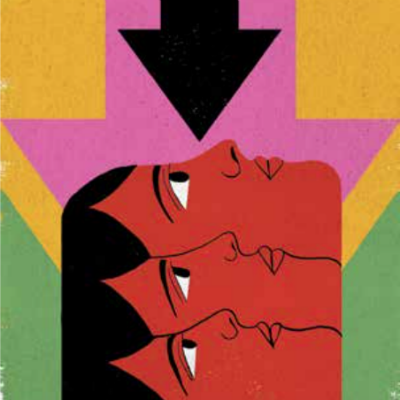
Humanitarian nonprofits unconsciously reinforce the very conditions of women’s oppression they seek to eradicate in their programming.
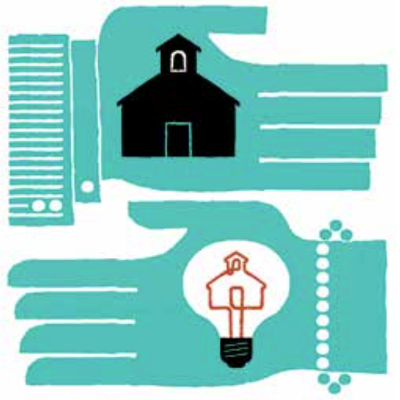
While old foundations typically support traditional public-school institutions, new foundations are seeking to reshape or bypass them.

An educational collaboration between a literacy program for public schools and the government of Punjab, India, struggles with accountability and political support.
The authors of Money Well Spent reconsider their original arguments a second time around.
How purpose can attract more consumers, build deeper bonds, and amplify brand messages.