


How Public Procurement Can Spur the Social Economy
European governments purchase more than €2 trillion of goods and services annually, and more of that spending is being done in a socially responsible manner.
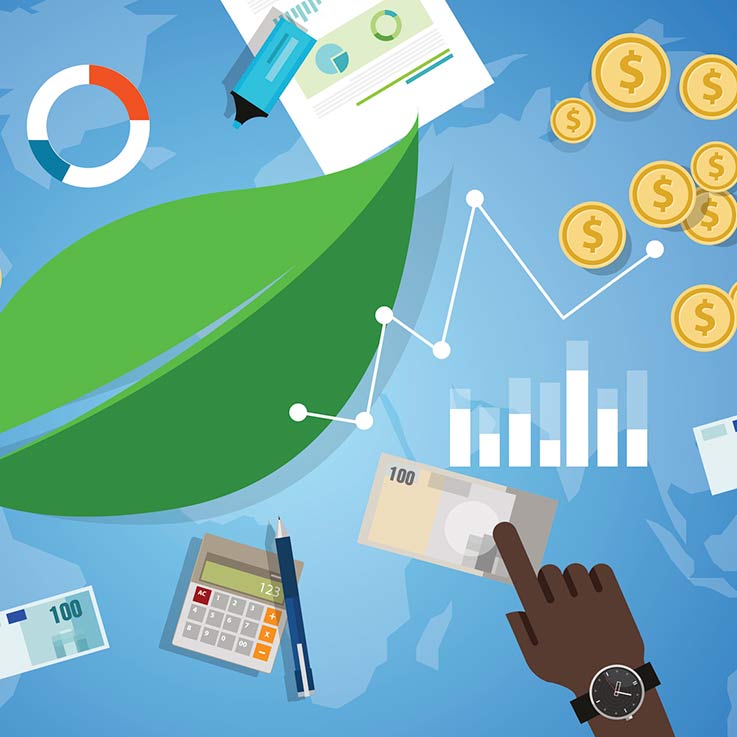
European governments purchase more than €2 trillion of goods and services annually, and more of that spending is being done in a socially responsible manner.
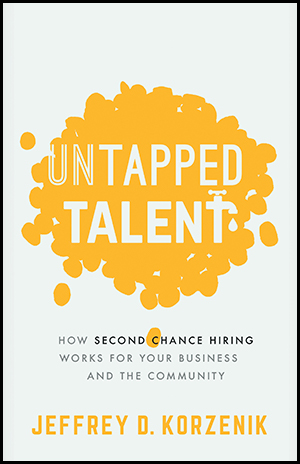
An excerpt from Untapped Talent explains how second chance hiring works for both businesses and communities.

Why the social economy needs to step up and shape technological development to address social needs, and five strategies to get there.

The business world’s “Engine 1/Engine 2” concept can help ambitious nonprofits balance today’s needs with tomorrow’s potential.
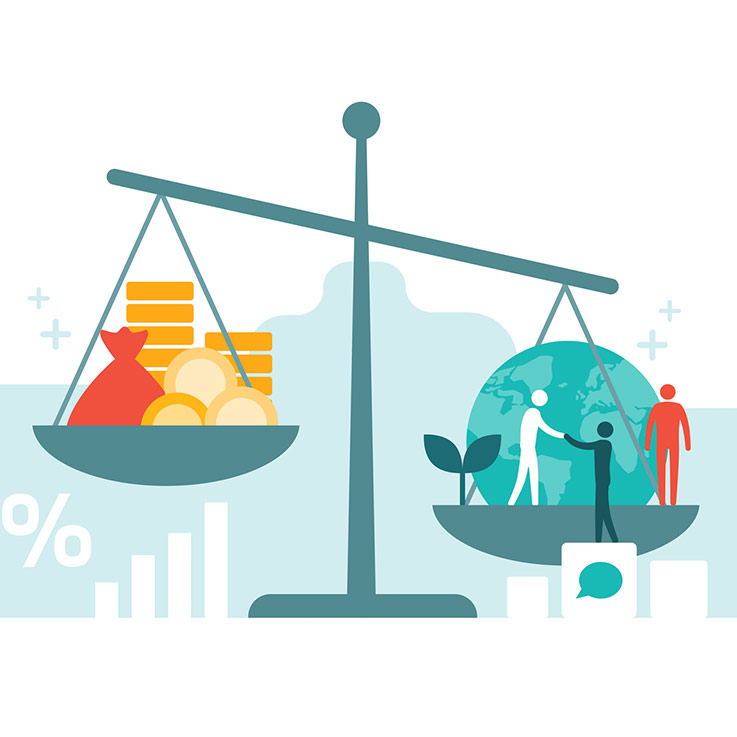
The social economy is increasingly seen as a motor for social change, but how can this shift in perspectives be framed to better understand and harness its potential?
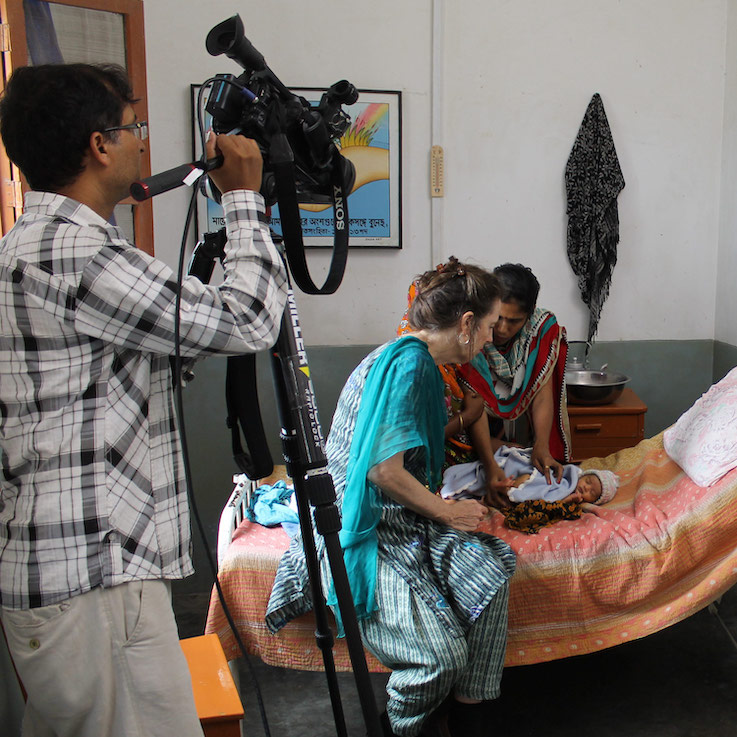
Developing countries face a quality crisis in the delivery of frontline health care. The nonprofit Global Health Media marries modern video technology with compassionate instruction to fill the gap. This is the first episode of a two-part series about raising the quality of health care in the developing world. Listen to the second episode here: The Healing Force of Family.

Systems change is more a destination than a journey. "Scalable solutions" might be a better way to make the trip.

Long hailed as a major piece of the climate solution, sustainable business practices have not only fallen short: They even enable the continued dominance of fossil fuel.
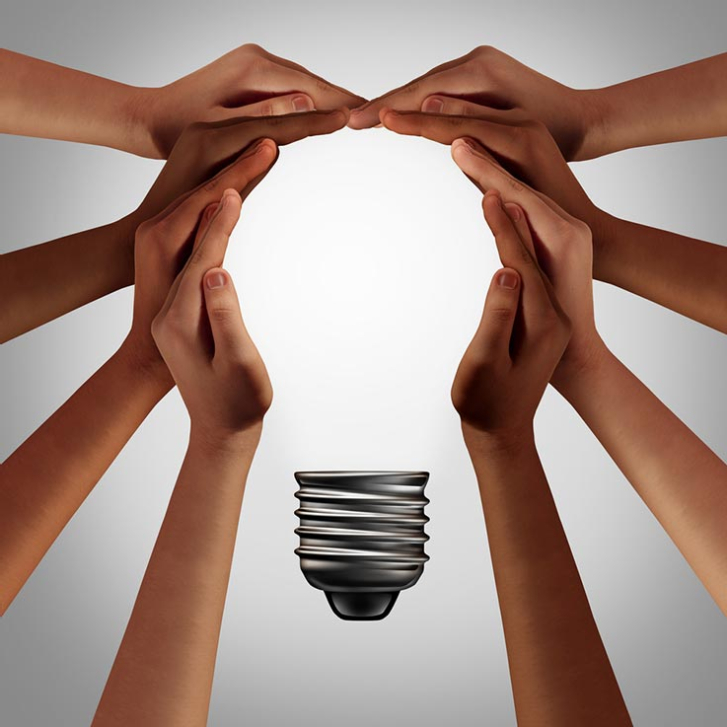
The experience of the California Future Health Workforce Commission to improve the state's supply of health professionals revealed the importance of upfront planning, clear partnering agreements, and graceful ways to pause when things don’t go as planned with highly collaborative efforts to solve complex social problems.
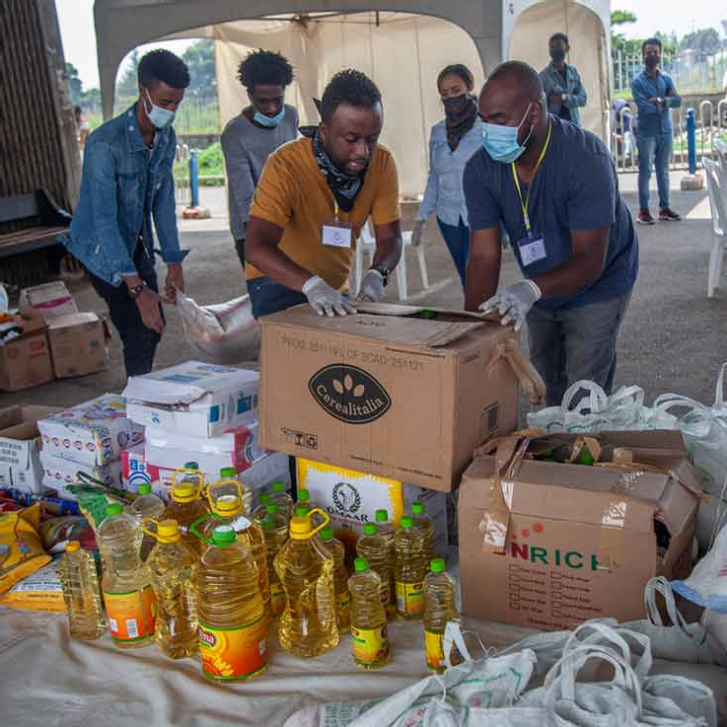
Amid a global pandemic, philanthropic organizations in emerging markets are finding their voice and challenging historical constructs.