Platform Power to the People
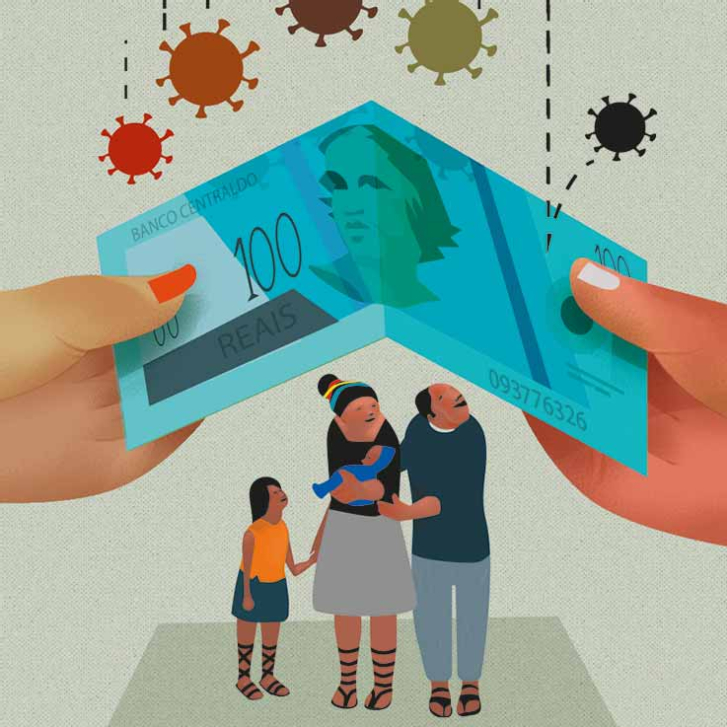
The coronavirus pandemic has shown how digital tools can foster online engagement that leads to real benefits for working people.
For the past 30 years, celebrated academics and business leaders have promoted the idea that companies often profit by addressing social and environmental problems. Although these proposals have been hailed as promising breakthroughs, they are unscientific and counterproductive.
An overdue need to address social and health inequities has collided with compounding global crises, forcing businesses to reevaluate their values.
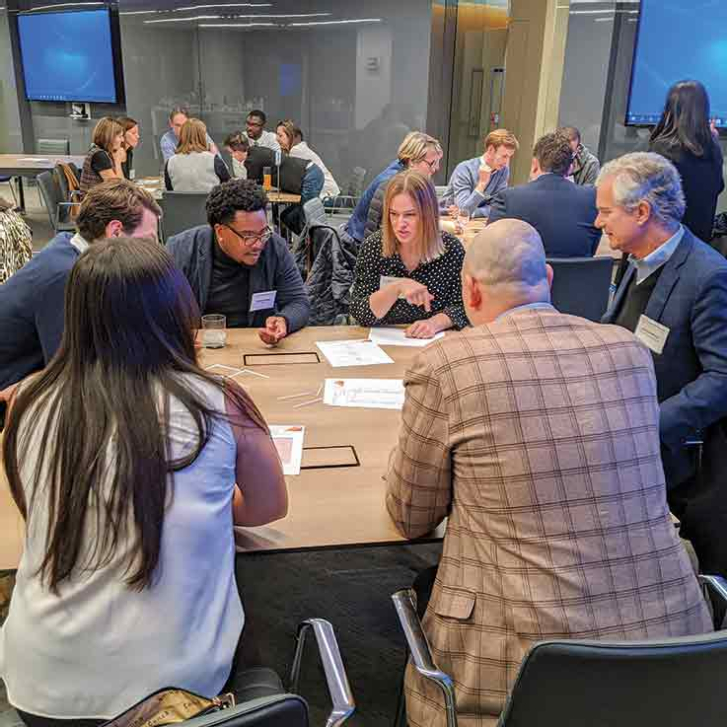
To address more complex social challenges, design thinking must become radically more collaborative and oriented toward systems change.
Six lessons on how corporate philanthropies can strengthen community connection and communications.
Employees increasingly want their employers to become more responsible corporate citizens. Here is a playbook for how employees can be effective change agents and how leaders can respond to employee activism.
Open-access to this article made possible by The Pennsylvania State University and The University of Washington.
With the goal of reducing pollution, Amsterdam-based Fashion for Good created the Good Fashion Fund (GFF), the first investment fund focused exclusively on encouraging collaborations between fashion and technology.
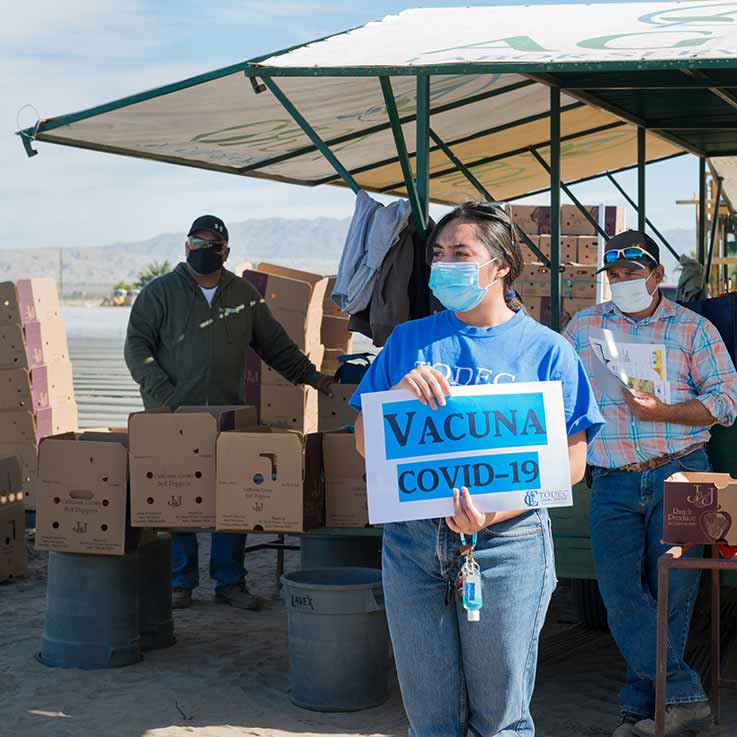
Funders must shift their frameworks, expectations, and budgets to better serve nonprofits whose financial models are being tested during the coronavirus pandemic.
Project ECHO developed a revolutionary model for helping doctors and clinicians in New Mexico to treat hepatitis C. It spread around the world to address numerous chronic diseases. With the COVID-19 pandemic, it found its moment.
The social sector will flourish through embracing less patriarchal and more collaborative approaches that focus on long-term systemic change.