


Plugging Into the Past
An architecture firm is helping bring modern amenities to Beijing’s historical hutong courtyard homes with minimal disruption.
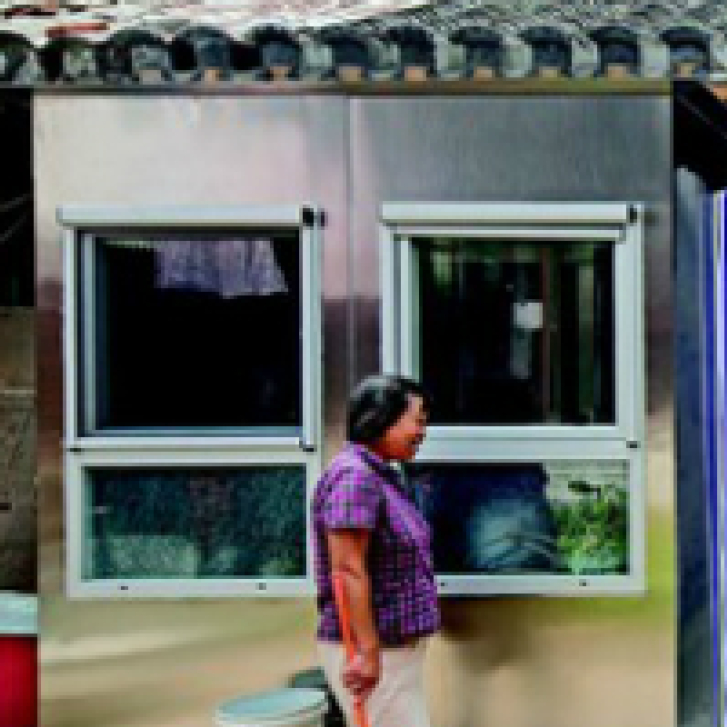
An architecture firm is helping bring modern amenities to Beijing’s historical hutong courtyard homes with minimal disruption.

An Oxford project provides a place where migrants forced to flee their homes can publish their work.

Can drones help solve the complex problem of recognizing property claims in the Philippines?

In Japan, minimart chains such as 7-Eleven and Lawson play a major role in providing services for a burgeoning elderly population.

In the San Francisco Bay Area and beyond, mental health professionals are using hip-hop culture to reach troubled youth.

National Prison Radio, run by inmates, reaches more than 60,000 prisoners in England and Wales—and aspires to better the lives of every single one.

It’s a ripple effect: HELP fulfills Haitian students’ dreams of college, and then they take up the baton.

For more and more social change efforts, the key to success lies in clearly defining the desired results for beneficiaries.

Iterative design methods are essential to development work—even (or especially) in regions marked by war and violence.

Through an online crowdsourcing platform, one foundation is reaching new types of partners who offer new types of solutions.