


Long-Life Learning and the Age-Integration of Higher Education
A look at how colleges and universities can move from age-segregated institutions to age-integrated ones.
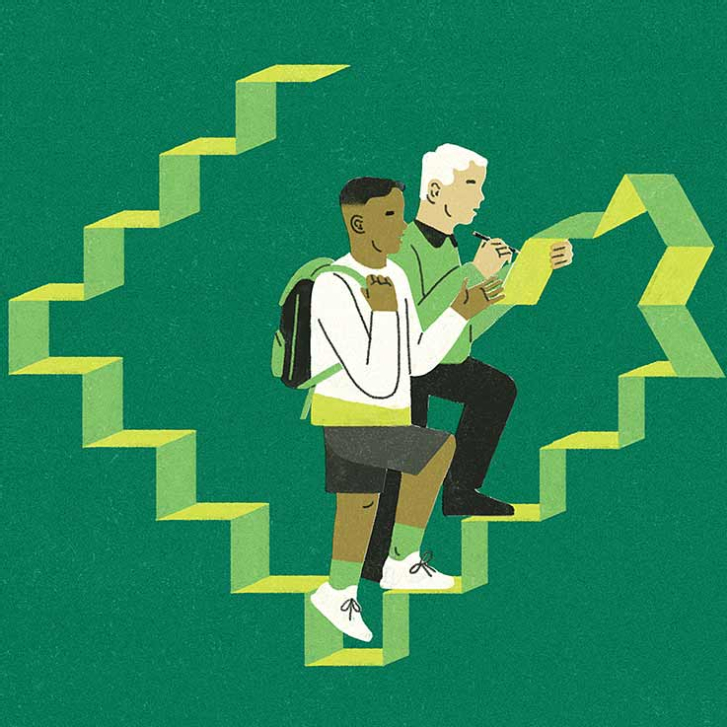
A look at how colleges and universities can move from age-segregated institutions to age-integrated ones.

Long hailed as a major piece of the climate solution, sustainable business practices have not only fallen short: They even enable the continued dominance of fossil fuel.
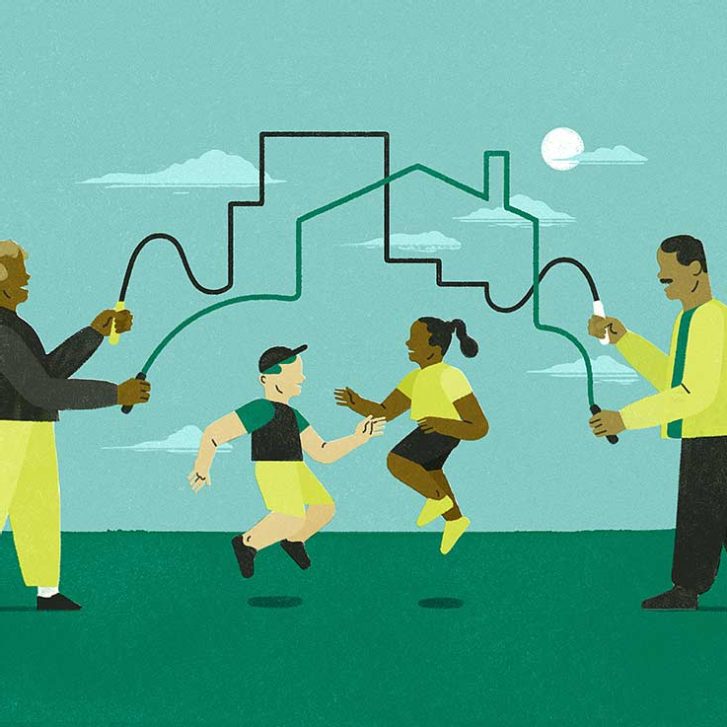
Intergenerational shared sites that bring childcare and eldercare under the same roof help both generations thrive, and we need to build more of them.

The experience of the California Future Health Workforce Commission to improve the state's supply of health professionals revealed the importance of upfront planning, clear partnering agreements, and graceful ways to pause when things don’t go as planned with highly collaborative efforts to solve complex social problems.

Four ways technology can help organizations working to fight loneliness, while transforming eldercare and the lives of older and younger adults.
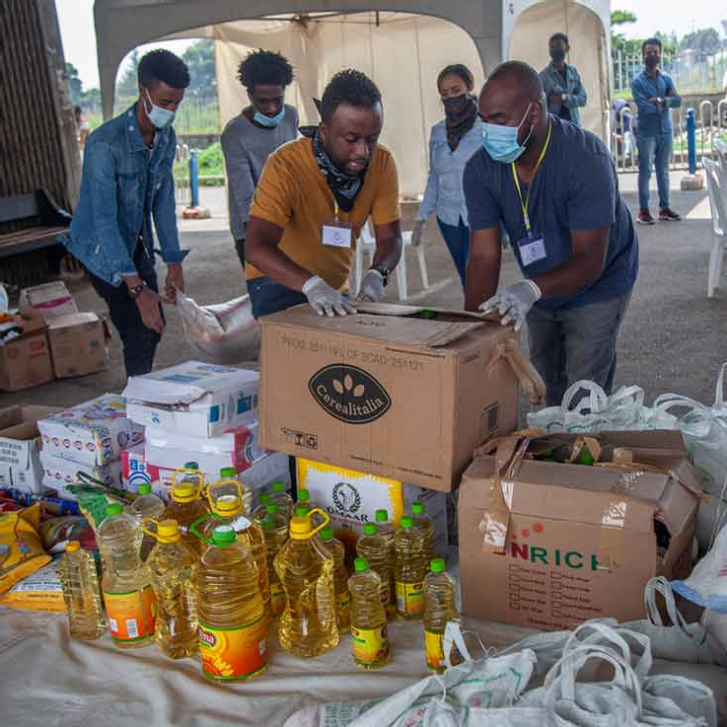
Amid a global pandemic, philanthropic organizations in emerging markets are finding their voice and challenging historical constructs.

While the pandemic has clarified some best practices for online trainings, centering participants requires a creative approach, a deep understanding of participants’ needs, and thoughtful work to be responsive and flexible.
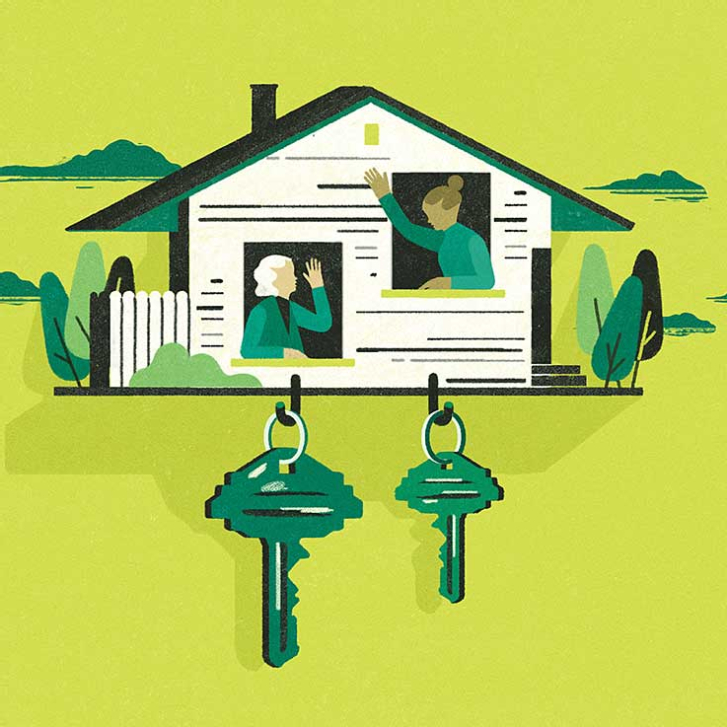
Intergenerational home-sharing provides younger adults with affordable housing and older adults with needed income and a way to age in place.

If the world is going to stop deliberate or unintentional misinformation and its insidious effects, we need to radically expand and accelerate our counterattacks, particularly human-centered solutions focused on improving people's media and information literacy.

How social innovation can reshape a century of generational separation in the United States, and bring together the talents of young and old to improve life for all.